Posts tagged as:

humans

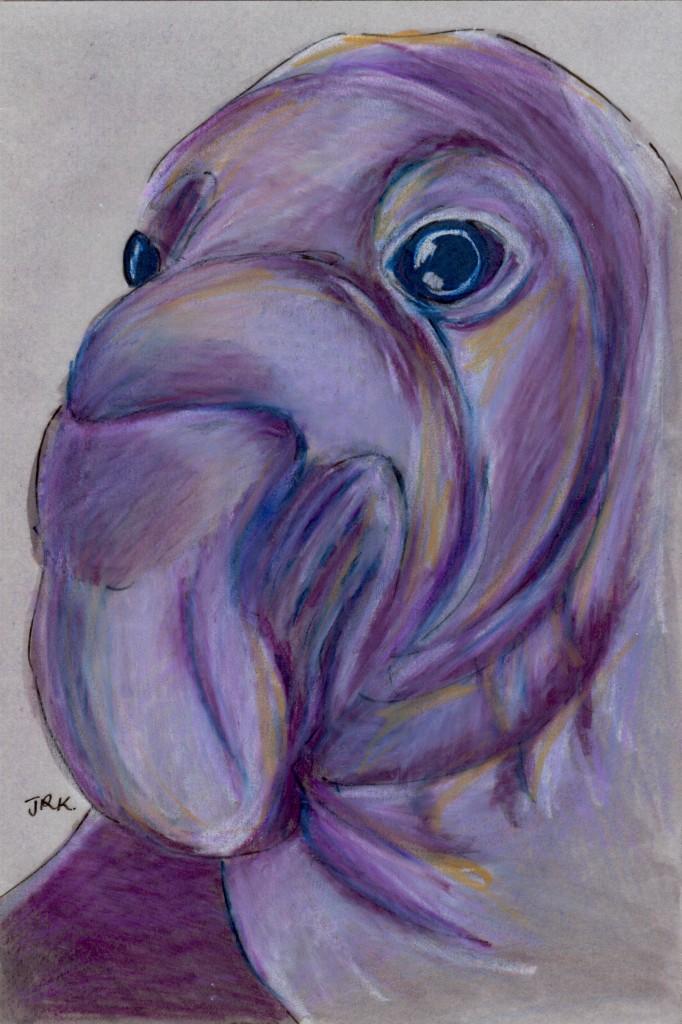
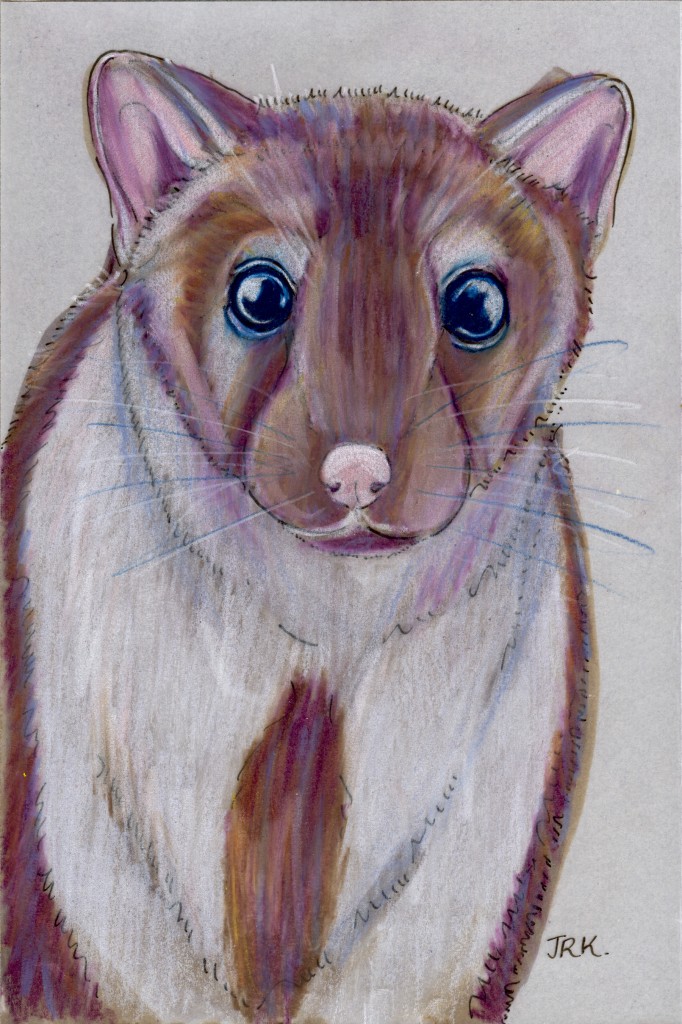
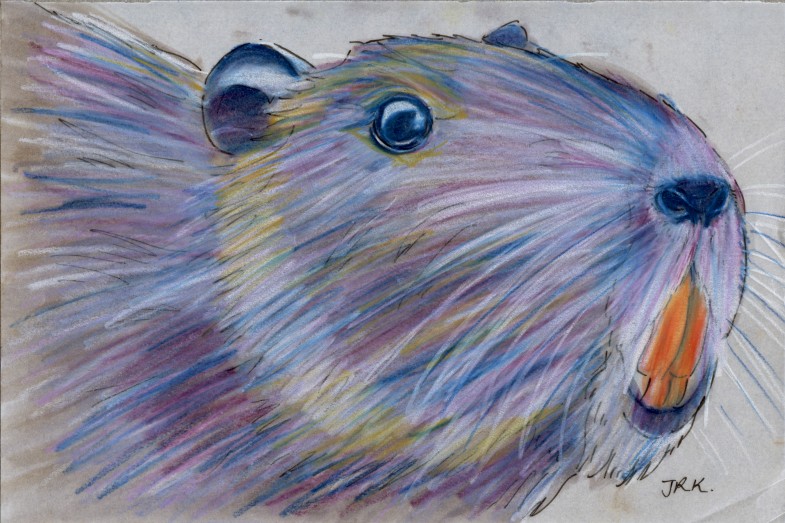
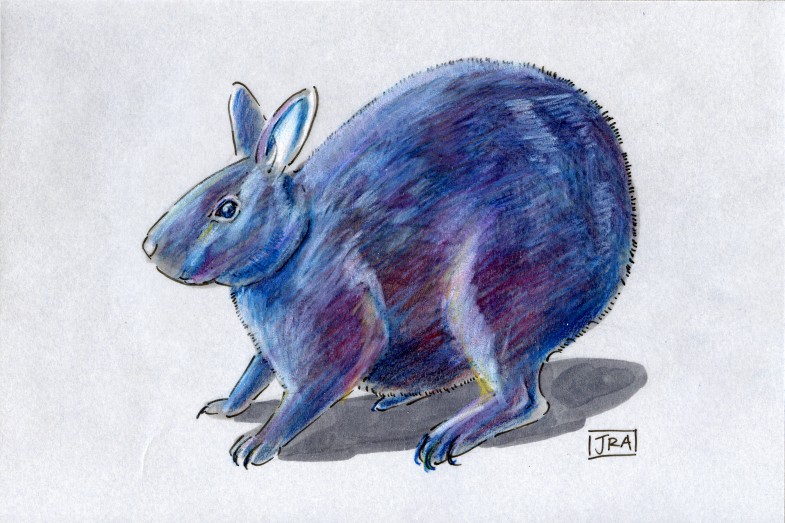
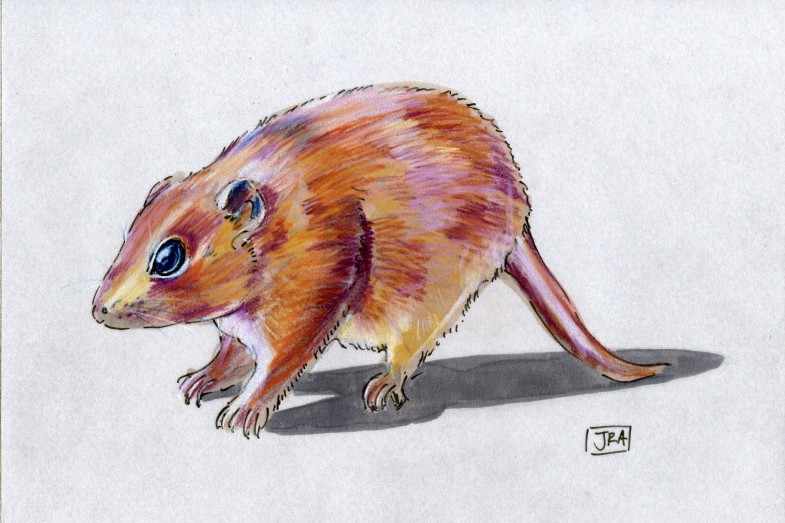
Coypu (click image to enlarge)


0314

Today we go a little further in our look at the mammals of the countries competing in the World Cup. Meet the coypu—you may also know it as the nutria—who is representing Uruguay. It’s a semi-aquatic rodent native to Argentina, Bolivia, Brazil, Chile, Paraguay, and Uruguay, but it didn’t stay in those southern South American countries. Because of its warm and pretty fur, the coypu was imported into North America, Europe, and Asia for fur farming. When those fur farms didn’t really take off, the coypus escaped or were released, and they quickly became invasive semi-aquatic pests, destroying native wetlands, possibly contributing to the damaged levees that flooded New Orleans after Hurricane Katrina, and generally making a nuisance of themselves. This is why they can’t serve as a metaphor for cosmopolitanism or even the global reach of soccer. A cosmopolitan seeks to understand other places, people, and cultures, not destroy them with her giant orange teeth. The coypu presents a warning, though, about the fragility of our ecosystems and a reminder that any small change can cause big destruction.

There is at least one interesting attempt to try to create some good from this situation in the southeastern United States. Righteous Fur, a New Orleans company, is selling clothing and jewelry made from the fur and teeth of coypus that are being exterminated anyway and whose pelts would otherwise be wasted. People who like wearing fur thus have a way to wear it without any deaths on their conscience, and in fact, if it’s handled right, it could be a way to actually help animals by wearing fur. (I would love a coypu-tooth necklace, but unfortunately, the Etsy shop is empty, just like mine is.)

Now as for Uruguay’s World Cup team, tomorrow they play South Africa on a day when surely no one will root against the home team. But I have taken an interest in Uruguay, for the plain reasons that they were in the first game I watched (a 0–0 draw against France) and I feel sorry for them because nearly everybody else has a much more stylish typeface on the back of their shirts. You can kind of see what I mean in the photo below. I think it’s a question of Puma vs. Adidas design. Uruguay wears Puma, most everyone else wears Adidas, and Adidas seems to have picked a much cooler style of type.

France in white, Uruguay in blue. AP photo.


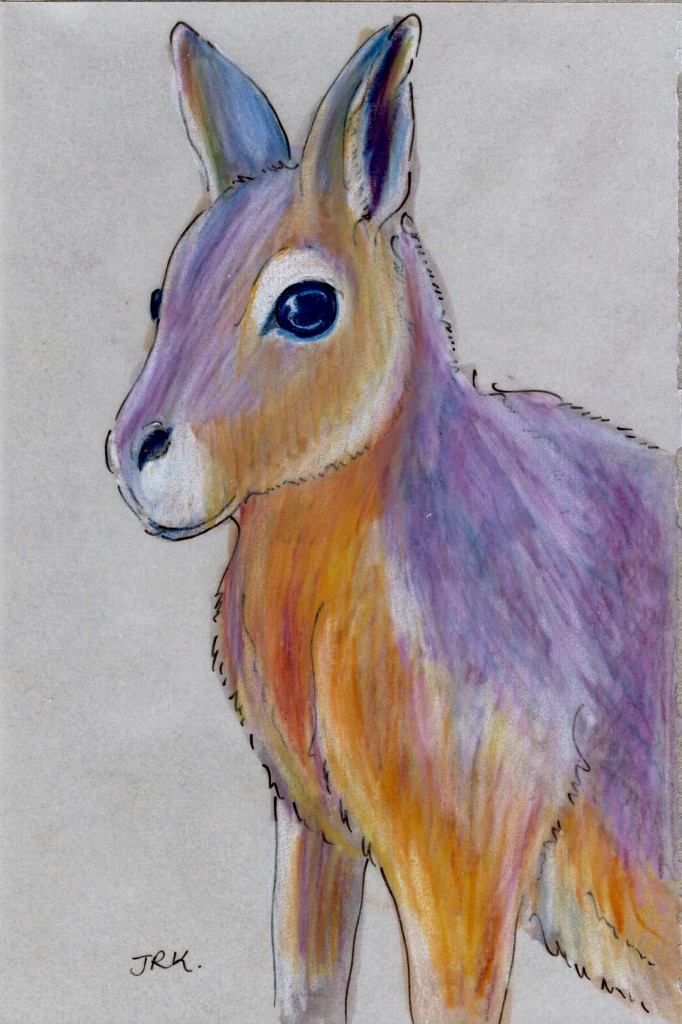
Anyway, Uruguay is in Group A, which is completely up for grabs after both of the group’s first games ended in draws. I’m rooting for South Africa tomorrow, but I wish Uruguay well. Here is Coco’s charismatic coypu.

Coypu by Coco, age 11

{ 4 comments }

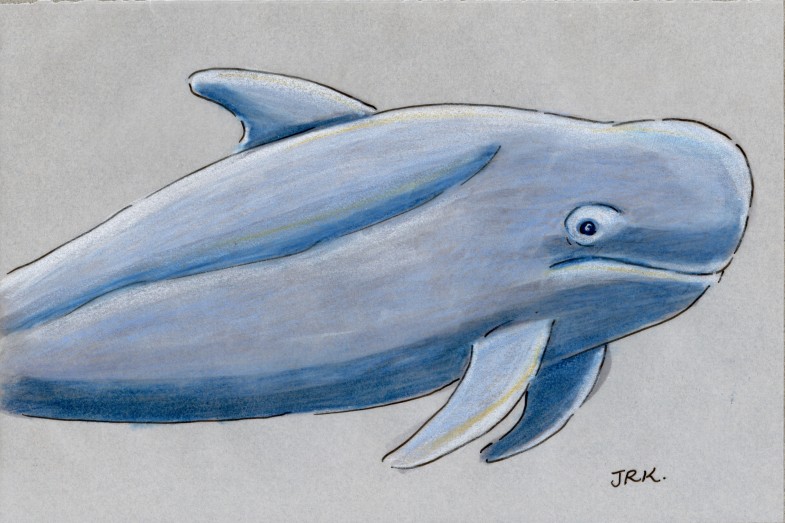
Short-finned pilot whale (click image to enlarge)


0311

The short-finned pilot whale is technically in the dolphin family. It has teeth and lives throughout the middle third of the earth, north and south of the equator. Japanese whalers are allowed to kill it.

{ 1 comment }

Bonobo (Pan paniscus)

by JR Kinyak on June 10, 2010

in Primates

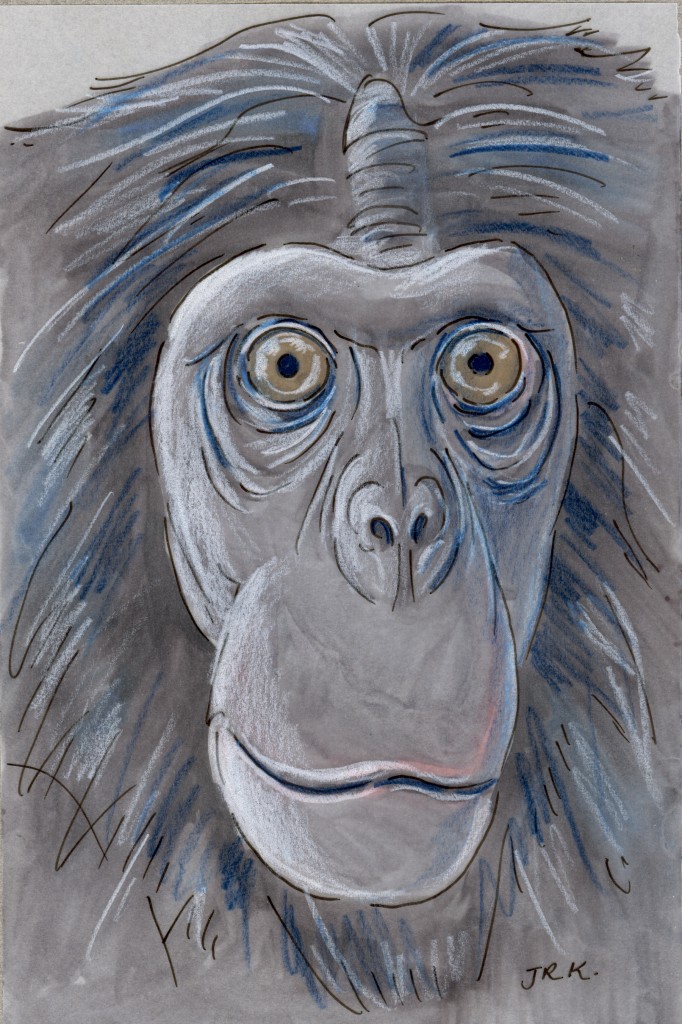
Bonobo (click image to enlarge)

0309

There are two kinds of people: bonobos and chimpanzees. I’m more of a chimpanzee, I think. I’m hostile, territorial, and antisocial, I don’t like rubbing genitals with most other people, and I hate being groomed by others.*

Bonobos have been called the hippies of the great apes, the Venus to the chimpanzees’ Mars. Like the chimpanzees, bonobos (also called pygmy chimpanzees) share 99 percent of humans’ DNA. We studied chimpanzees first, though, and they’re still more well known among people who don’t live near any of our fellow apes. So it seems that the chimpanzees, with their aggression, homicide, male-dominated societies, and hunting, have helped shape how we see ourselves when we consider our ape lineage. We have been able to justify our own aggression and male dominance by saying, hey, it’s in our DNA! But the bonobos complicated all that with their female-centered societies, peaceful cooperation, mingling with outsiders, and seemingly endless sex. They don’t eat monkeys, they help others, and the females rub their genitals together “to relieve tension,” according to The Princeton Encyclopedia of Mammals.

Some people have taken all this so far as to hold up the bonobos as an example of how lovely life could be if we learned a little from our free-loving cousins, rejecting our affiliation with the chimpanzee side of the family to live in matriarchal bonobo communes where we braid each other’s hair and have seemingly endless sex. Now, of course I am in favor of most of that, and I’m happy if bonobos help us understand that it isn’t intrinsically human to be warlike bullies. But I find it strange that we are so quick to stereotype the two species as mirroring two dichotomous sides of us and to think we must align ourselves with one or the other, learning from them how to better lead our own lives. I think that the ancestor that humans, chimps, and bonobos shared six million years ago was probably as complex as all three species—and that bonobos and chimps are more complex than they seem, and perhaps not so easily reduced to hippies and rednecks or mods and rockers.

* I am kidding here. And even if I weren’t, I’m much more bonobo than chimp after all. In an interesting interview, Frans de Waal, a famous primatologist, says,

“I would say there are people in this world who like hierarchies, they like to keep people in their place, they like law enforcement, and they probably have a lot in common, let’s say, with the chimpanzee. And then you have other people in this world who root for the underdog, they give to the poor, they feel the need to be good, and they maybe have more of this kinder bonobo side to them. Our societies are constructed around the interface between those two, so we need both actually.”

{ 3 comments }

Yak (Bos grunniens)

by JR Kinyak on June 4, 2010

in Ungulates

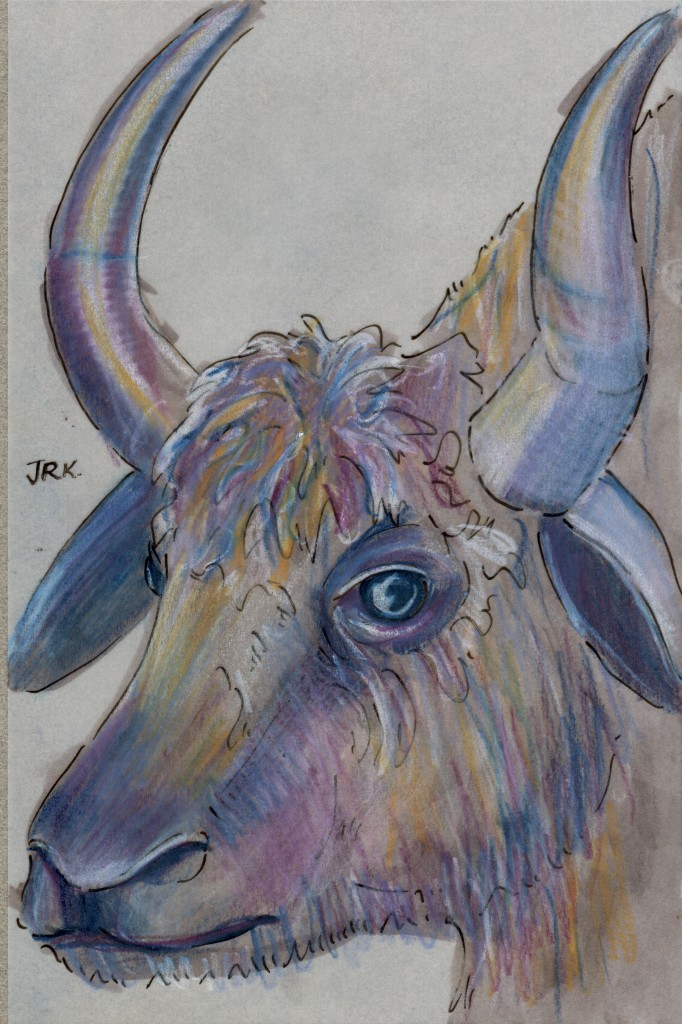
Yak (click image to enlarge)


0299

In honor of our adoption finalization and name change to Kinyak, Theo and I drew yaks! The powerful, shaggy animals are native to Tibet and produce delicious butter, which Tibetans use in their tea.

Yak by Theo, age 13

{ 2 comments }

Spectacled Bear (Tremarctos ornatus)

by JR Kinyak on April 12, 2010

in Carnivores

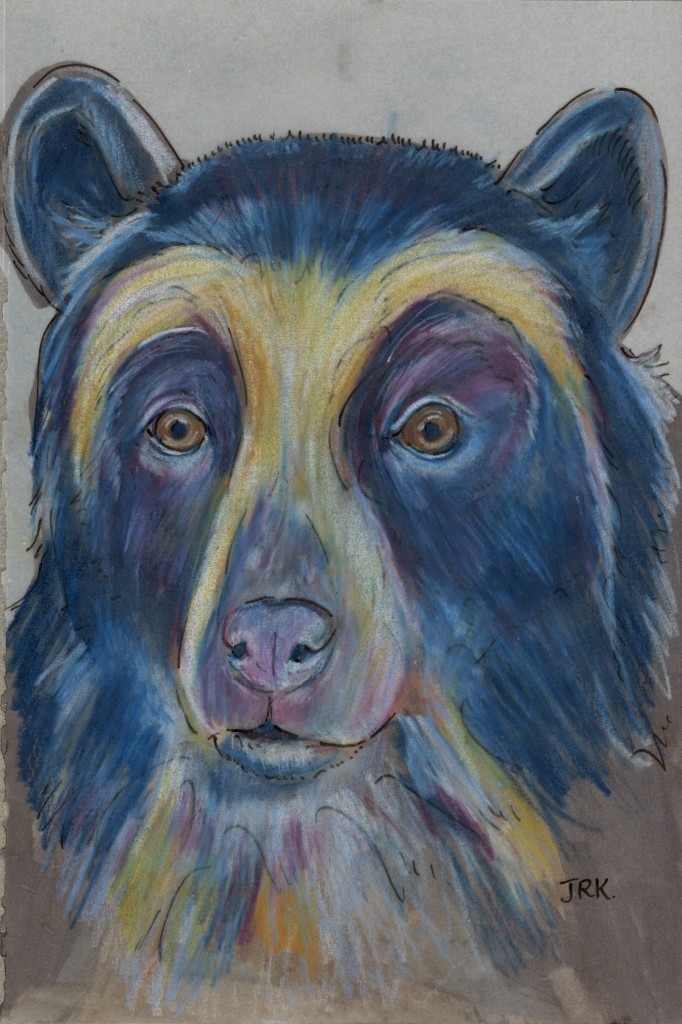
Spectacled bear (click image to enlarge)

0292

The only bear from South America, the spectacled bear lives in Venezuela, Ecuador, Colombia, Peru, and Bolivia. It gets its name, of course, from its professorial appearance, and it’s also known as the Andean bear, or ucumari in a native Andean language. The bear is a small one, as bears go, with males weighing up to 340 pounds and females only up to 180. There may be only a few thousand spectacled bears left in the wild. They are threatened by poaching, by habitat destruction (of course), and by farmers whose crops they try to eat. They are also used in traditional medicine and sometimes eaten. The bears themselves like to eat plants and fruit, especially bromeliads, but they’ll occasionally eat small animals.

Theo, without knowing that the bear is sometimes known, in Spanish, as oso real, drew a spectacled bear with a crown.

Spectacled bear by Theo, age 13 (click image to enlarge)

Coco drew a wonderful spectacled bear, too.

Spectacled bear by Coco, age 11 (click image to enlarge)

{ 4 comments }

Ethiopian Wolf (Canis simensis)

by JR Kinyak on April 9, 2010

in Carnivores

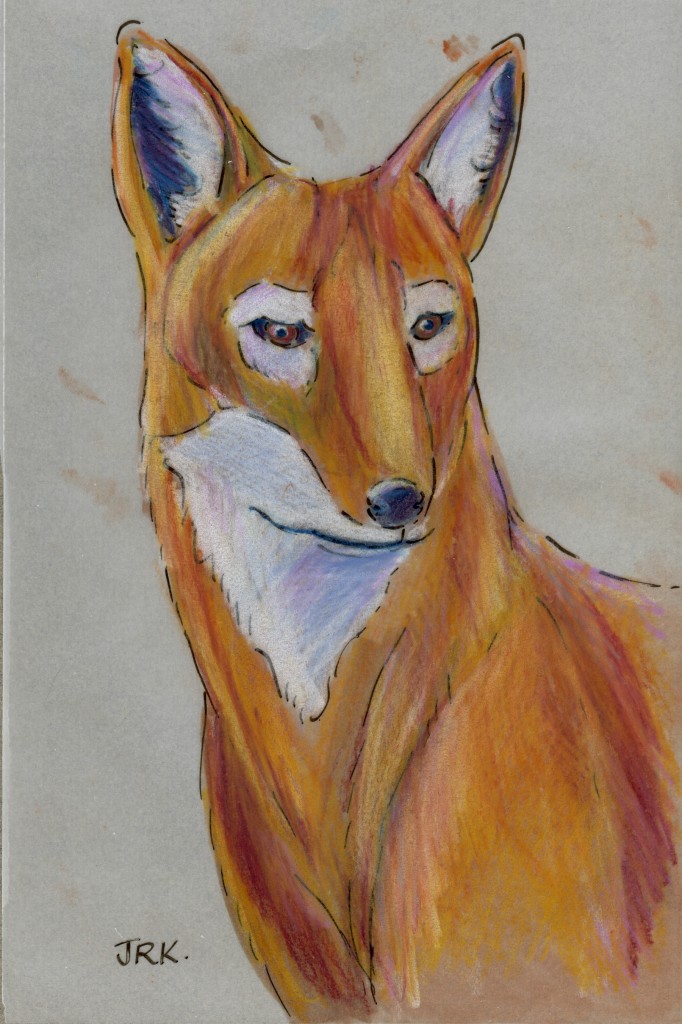
Ethiopian wolf (click image to enlarge)

0290

Why not stay in Ethiopia’s mountains a while? The Ethiopian wolves live there, too—all 500 of them. Like the gelada monkeys, these wolves are being killed off by climate change as less and less habitat is available to them and more and more people start farming higher and higher in the mountains. Perhaps I haven’t stressed this enough: we are killing off our fellow mammals because we just don’t care. I, for instance, “care” very deeply; Ted will tell you how impassioned I get. But do I trade in my pickup for a hybrid? Do I move to a city where I can bike everywhere instead of driving? Do I even unplug my appliances at night? No. Why? Part of it is that I feel completely helpless and it seems so futile. Part of it is just pure not caring.

Maybe instead of a Daily Mammal book club, or in addition to the next one, we could start a Daily Mammal Do Something club. What do you think?

Anyway, I guess the good news is that there are 500 Ethiopian wolves left. According to my Princeton Encyclopedia of Mammals, the Ethiopians call them ky kebero (red jackal), jedalla farda (horse’s jackal), or walgie (trickster). That last one is interesting to me because the Ethiopian wolf is closely related to the coyote, another trickster of lore, only here in North America.

You may note that the wolf has fox-like features. That’s because like the fox, it’s adapted to eat mostly rodents: rats, moles, and the like. (And speaking of eating rodents, I bought the coolest product in Taos yesterday: synthetic owl puke, which contains a complete synthetic mole skeleton!) The Ethiopian wolves look for rodents alone, but they will occasionally hunt in packs when they’re in the mood for larger prey.

They live in packs, too, in which there’s a dominant female who gets to breed. But interestingly, the breeding female doesn’t always mate with the male members of her own pack, to whom she may be related. Instead, she mates with males from neighboring packs. And when she does mate with her own menfolk, she only mates with the dominant ones, but when she mates with the neighbors, their status doesn’t matter.

Here’s Theo’s great drawing of the Ethiopian wolf.

Ethiopian wolf by Theo, age 13 (click image to enlarge)

{ 3 comments }

Spinner Dolphin (Stenella longirostris)

by JR Kinyak on April 8, 2010

in Marine Mammals

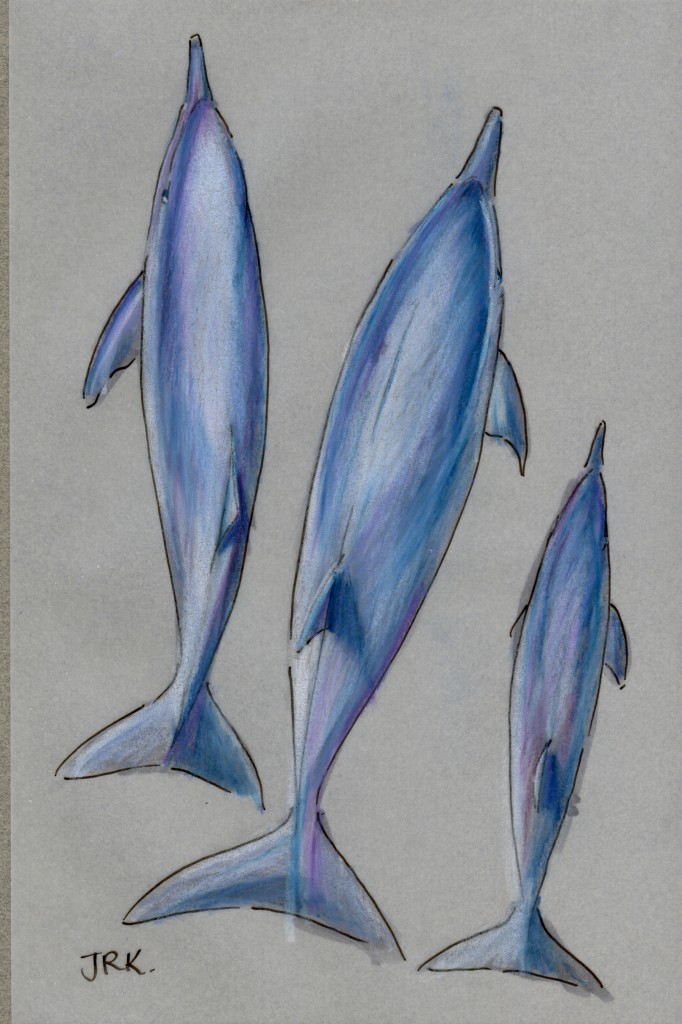
Spinner dolphins (click image to enlarge)

0289

Spinner dolphins, who live in a great big swath of the world’s oceans (right around the middle of the earth like a belt), get their name from their acrobatic twists and rotations. They spin as part of their social interaction and probably as a way to communicate, or maybe to dislodge parasites, which is of course a much less romantic thing to think about when watching their graceful feats. Their society is a fission-fusion one, in which they feed in large groups at night and split off into smaller bunches to hang out during the day.

Spinner dolphins are one of the species most affected by tuna fishing, and although fewer of them are killed by the fishing industry these days, the species is not recovering nearly as quickly as one would hope. And some quick research I’ve just done indicates that the “dolphin-safe” labels that have so assuaged our worries and guilt may not be particularly reliable. And even tuna catches that are dolphin-safe are not safe to the other marine life, like sea turtles, sharks, and other fish, that are caught in tuna nets and discarded. So another day, another Daily Mammal post that ends on a futilely depressing note. Here’s Theo’s beautiful dolphin drawing to add some grace.

Spinner dolphin by Theo, age 13 (click image to enlarge)

{ 0 comments }