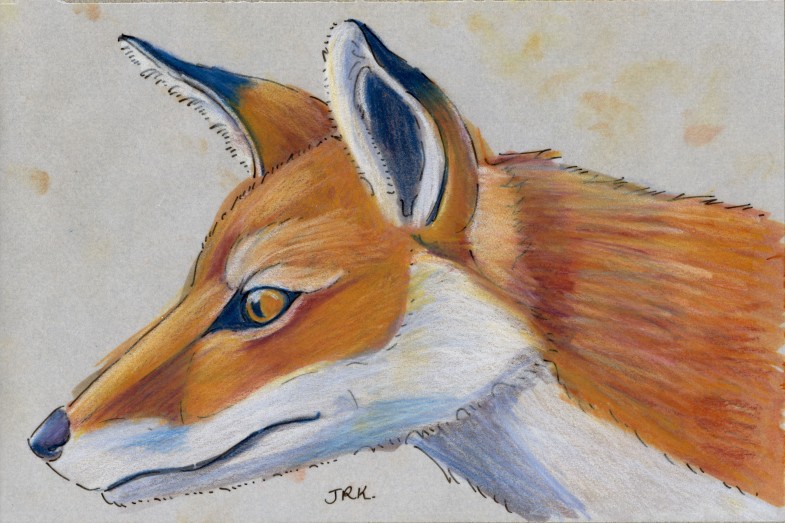
Read more Red Fox (Vulpes vulpes) Feb 25, 2011 by JR Kinyak Number 0348 Red foxes live pretty much everywhere in the entire... Read more
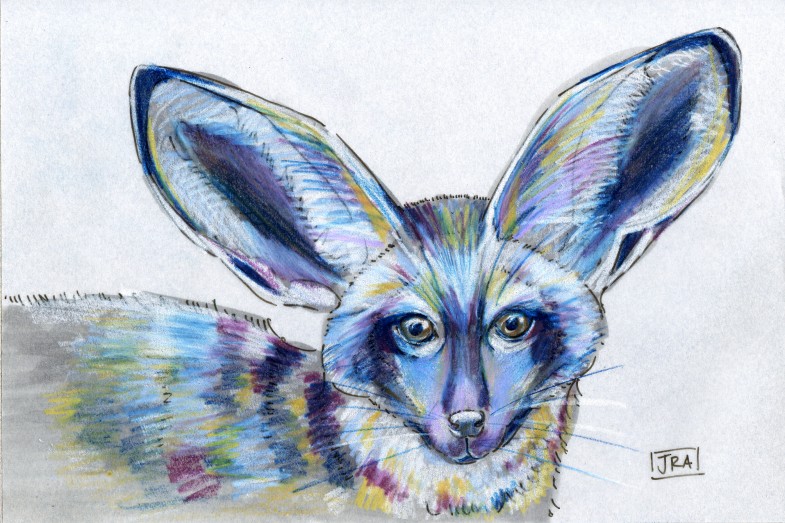
Read more Bat-eared Fox (Otocyon megalotis) May 8, 2009 by JR Kinyak Number 0259 Well, that’s an apt name! This fox (whose... Read more
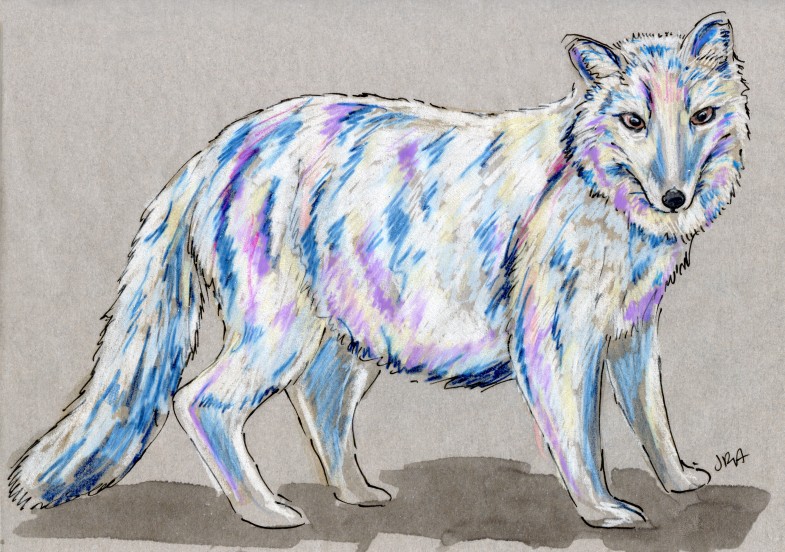
Read more Back Orders: Arctic Fox (Alopex lagopus) Jan 17, 2008 by JR Kinyak Number 0106 The Arctic fox is Nicola’s favorite mammal,... Read more
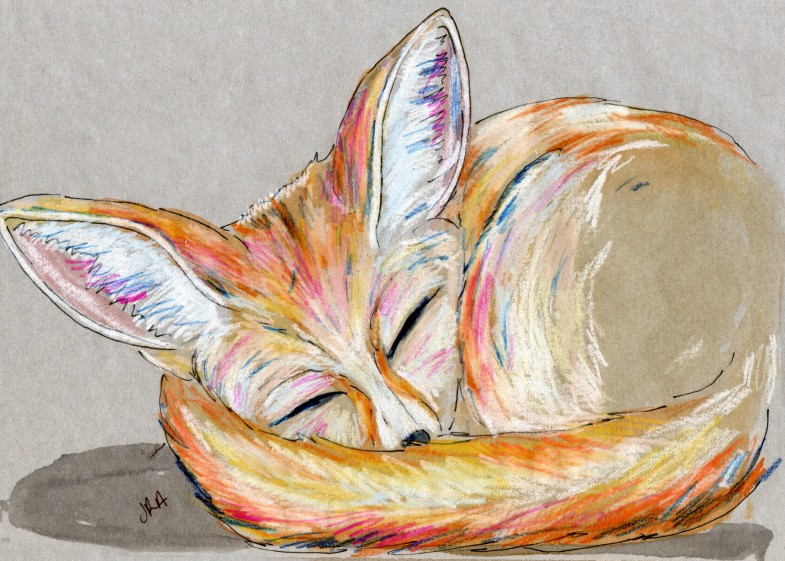
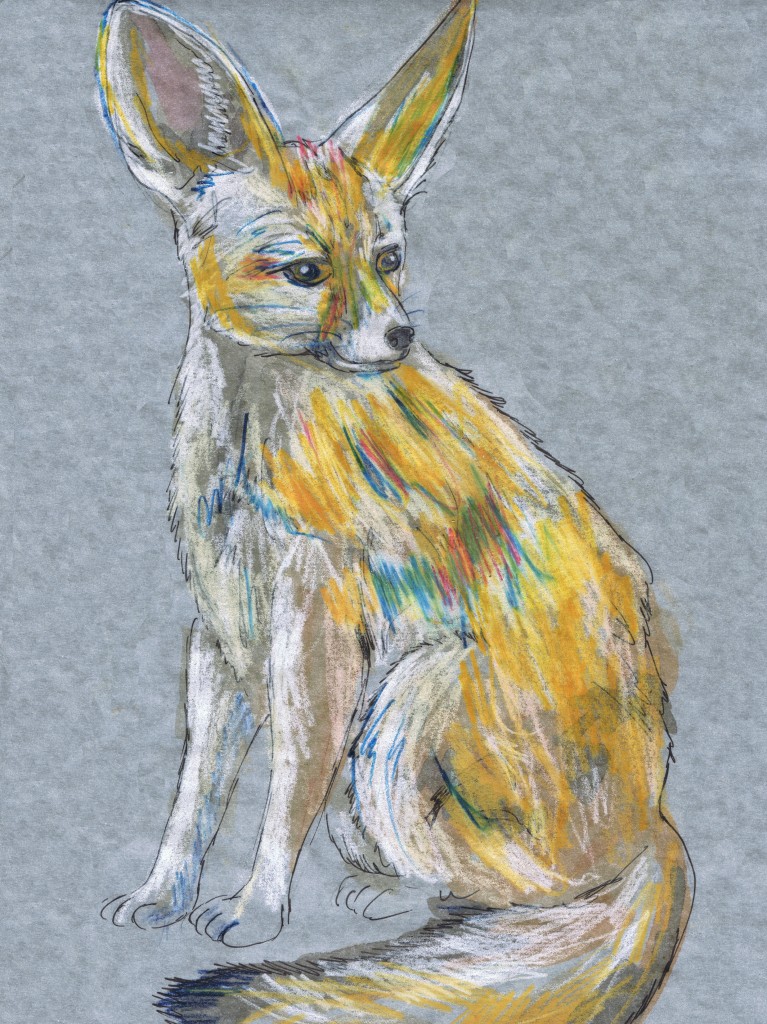
Read more Back Orders: Fennec Fox (Vulpes zerda) Dec 31, 2007 by JR Kinyak This fennec fox is for Kelsey, who used to be an absurdly... Read more
Read more Nocturnal Week: Fennec Fox (Vulpes zerda) Jul 17, 2007 by JR Kinyak Number 0045 The fennec fox is one of my favorite mammals; I... Read more