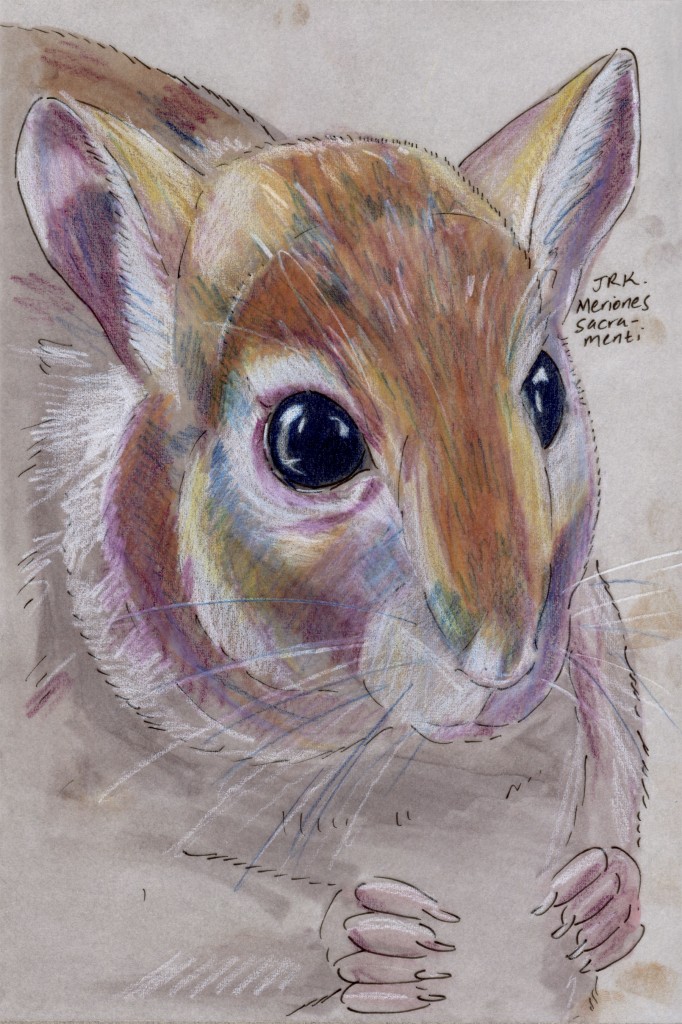
Read more Facebook Friends: Israel: Buxton’s Jird (Meriones sacramenti) Feb 4, 2014 by JR Kinyak 0456 In celebration of the fact that more than 100 people like... Read more
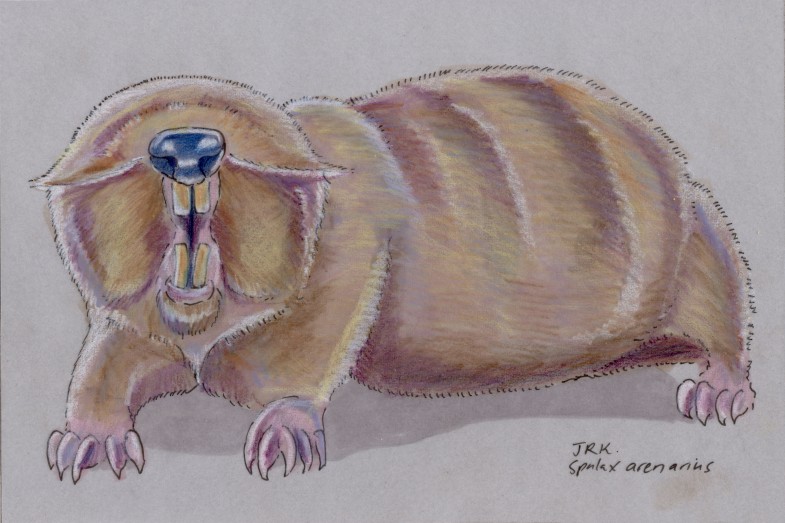
Read more Facebook Friends: Ukraine: Sandy Mole Rat (Spalax arenarius) Jan 30, 2014 by JR Kinyak Number 0451 It’s been a while, mammals! But I’m... Read more
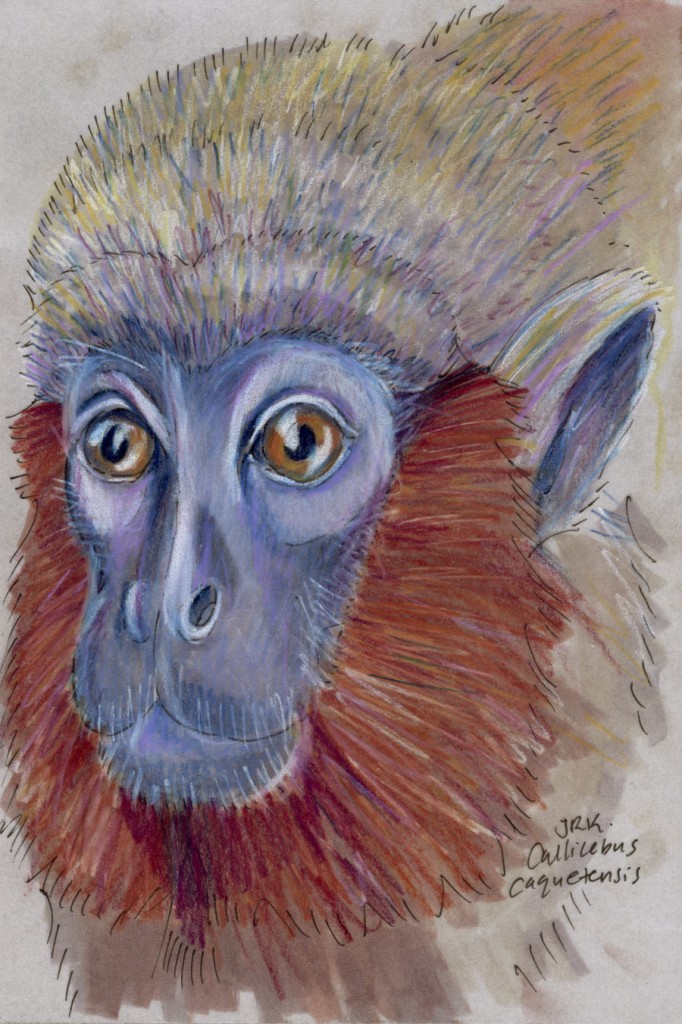
Read more Facebook Friends: Colombia: Caquetá Titi Monkey (Callicebus caquetensis) Sep 5, 2013 by JR Kinyak Number 0449 Here, representing the country of Colombia, where... Read more
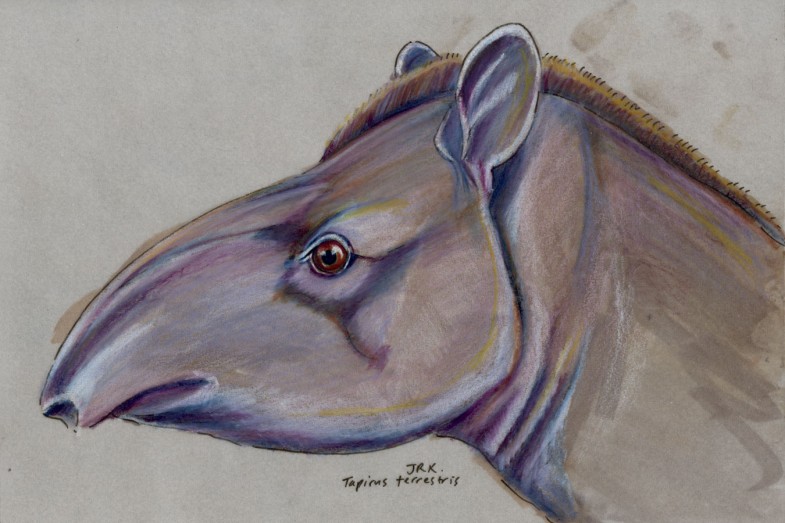
Read more Facebook Friends: Brazil: Brazilian Tapir (Tapirus terrestris) Aug 20, 2013 by JR Kinyak Number 0447 I’m back from my perfect vacation to San... Read more
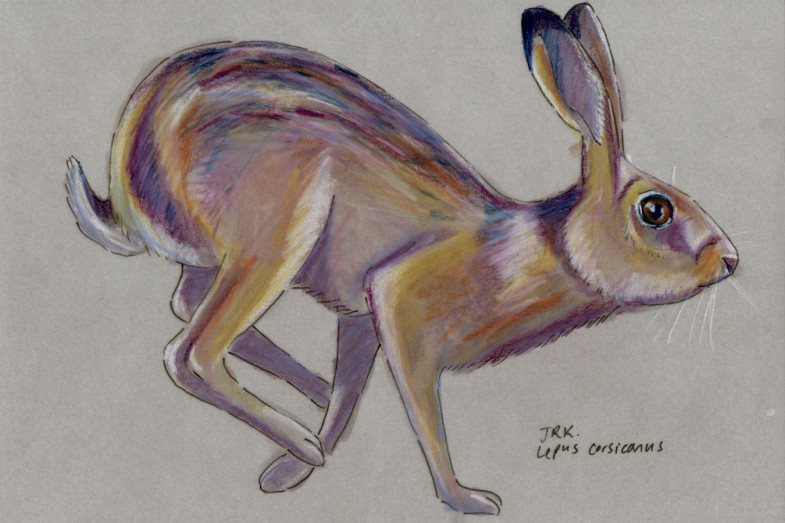
Read more Facebook Friends: Italy: Corsican Hare (Lepus corsicanus) Aug 4, 2013 by JR Kinyak Number 0442 I’m delighted that more than 100 people... Read more
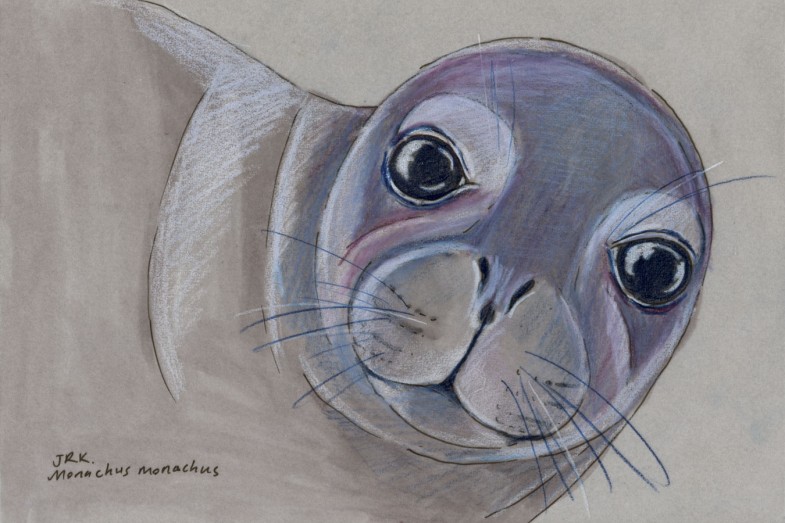
Read more Facebook Friends: Greece: Mediterranean Monk Seal (Monachus monachus) Jul 30, 2013 by JR Kinyak Number 0436 To celebrate the Daily Mammal Facebook page... Read more
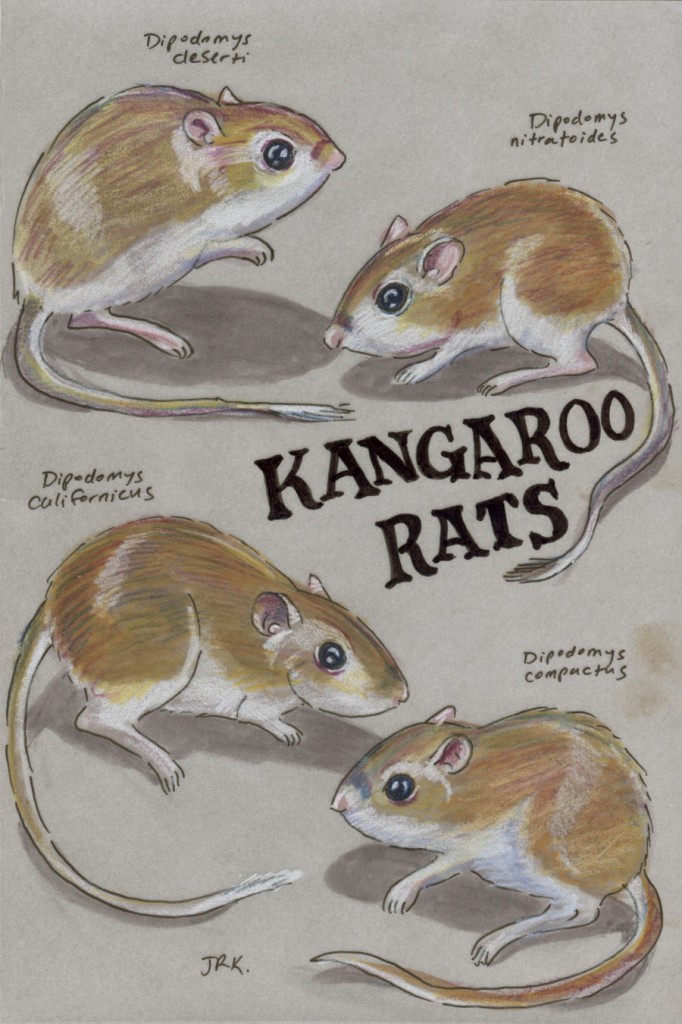
Read more Facebook Friends: United States: Quartet of Kangaroo Rats (Dipodomys spp.) Jul 29, 2013 by JR Kinyak Numbers 0432, 0433, 0434, and 0435 Last week, the Daily Mammal... Read more
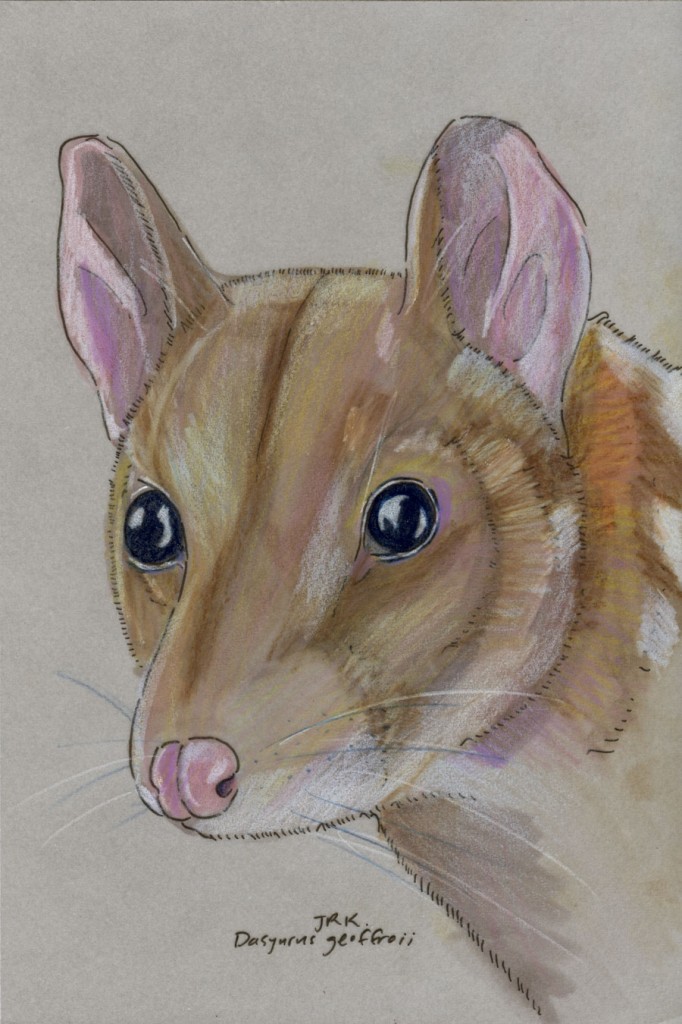
Read more Geoffroy Week: Chuditch (Dasyurus geoffroii) Jul 24, 2013 by JR Kinyak Number 0428 Geoffroy Week continues at the Daily Mammal.... Read more
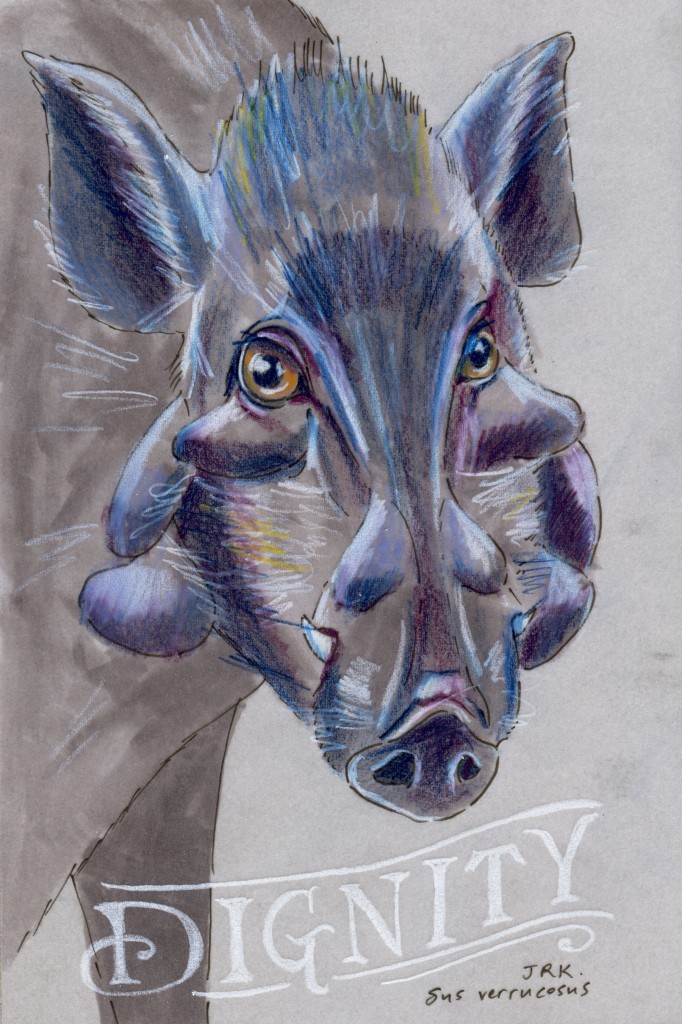
Read more Javan Warty Pig (Sus verrucosus) Jul 14, 2013 by JR Kinyak Number 0423 The Javan warty pig is an endangered mammal that... Read more
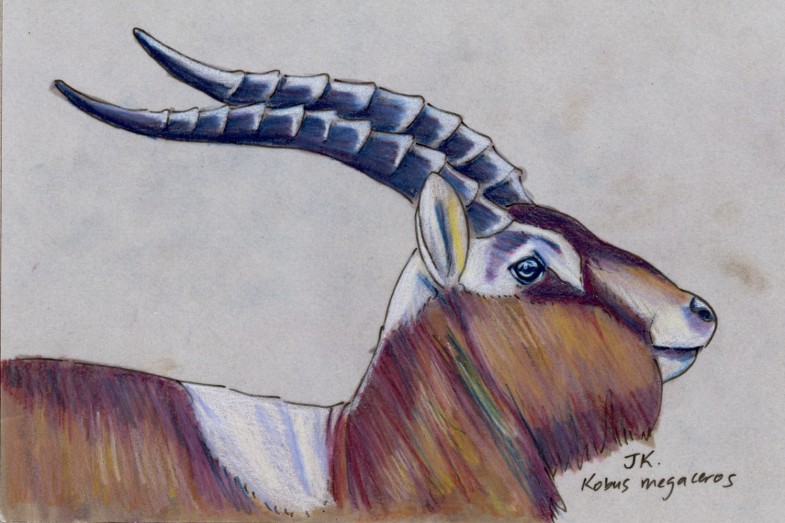
Read more Mammal Olympiad: Fencing: Mrs. Gray’s Lechwe (Kobus megaceros) Aug 6, 2012 by JR Kinyak Number 0418 Today’s Mammalympian is a fencer. Well, sort... Read more
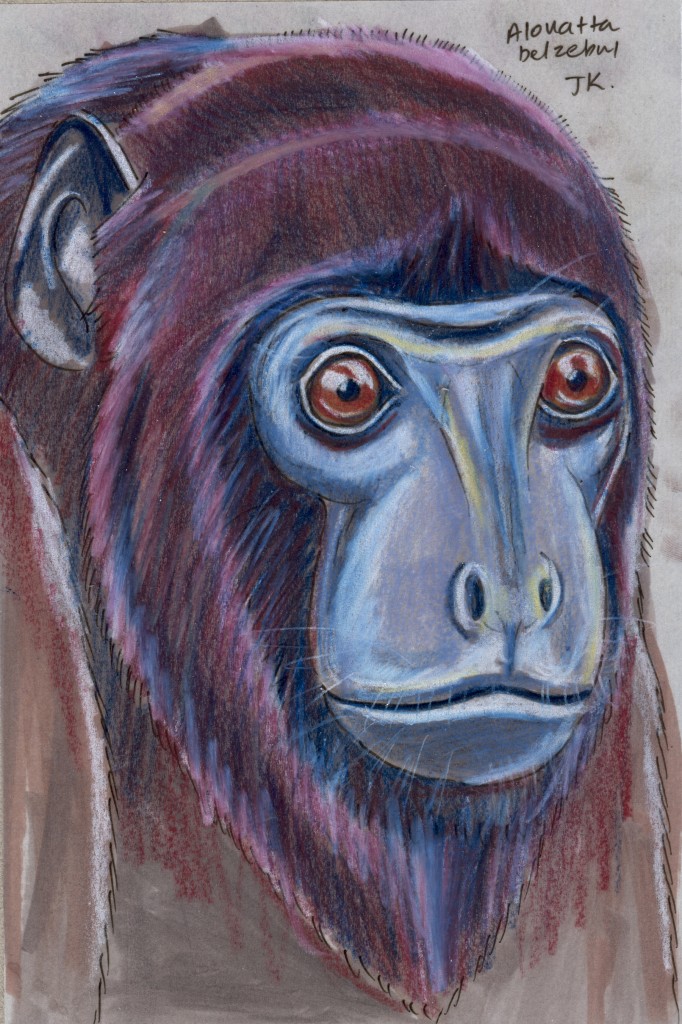
Read more Random Week: Red-handed Howler Monkey (Alouatta belzebul) Jul 26, 2012 by JR Kinyak Number 0414 Here’s our last randomly picked mammal for... Read more
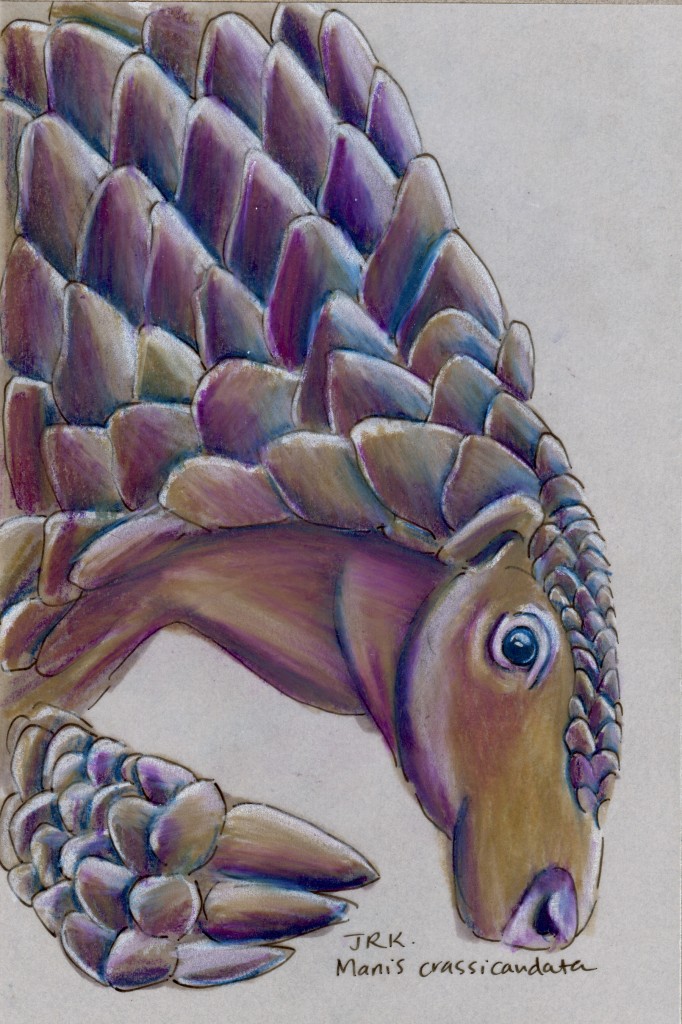
Read more Indian Pangolin (Manis crassicaudata) Jul 16, 2012 by JR Kinyak Number 0400 The Indian pangolin, which is also called the... Read more
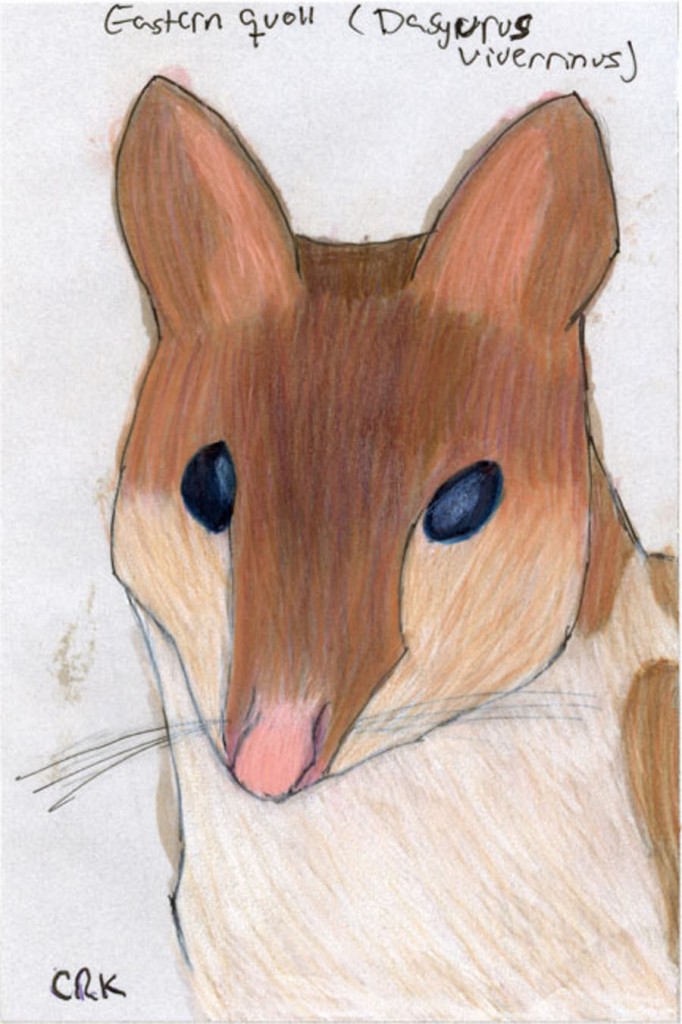
Read more Eastern Quoll (Dasyurus viverrinus) Mar 1, 2012 by Coco Kinyak By Coco Hi Daily Mammal readers, this is Coco, and I am... Read more
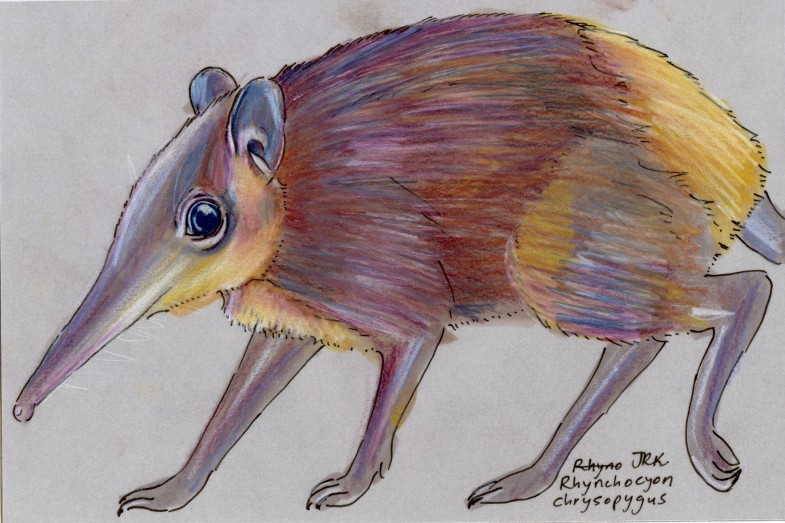
Read more Golden-rumped Elephant Shrew (Rhynchocyon chrysopygus) Oct 11, 2011 by JR Kinyak Number 0398 Here is the golden-rumped elephant shrew, which is... Read more
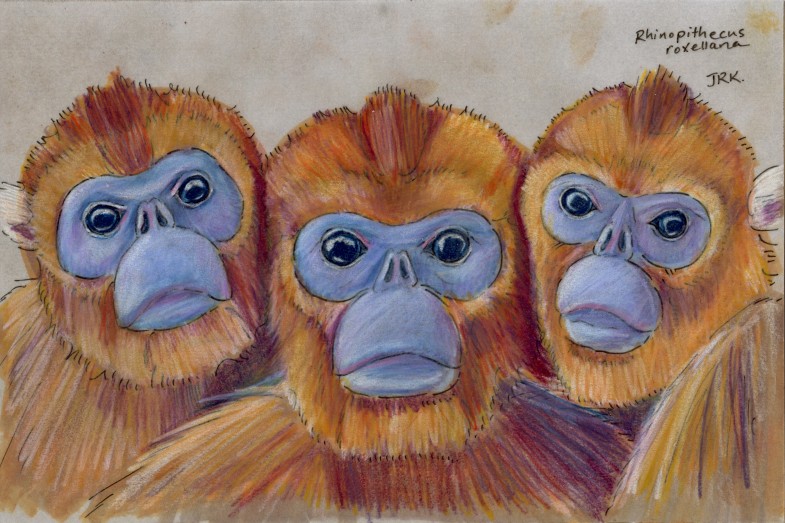
Read more Golden Snub-Nosed Monkey (Rhinopithecus roxellana) Apr 10, 2011 by JR Kinyak Number 0381 Golden snub-nosed monkeys live in central China,... Read more
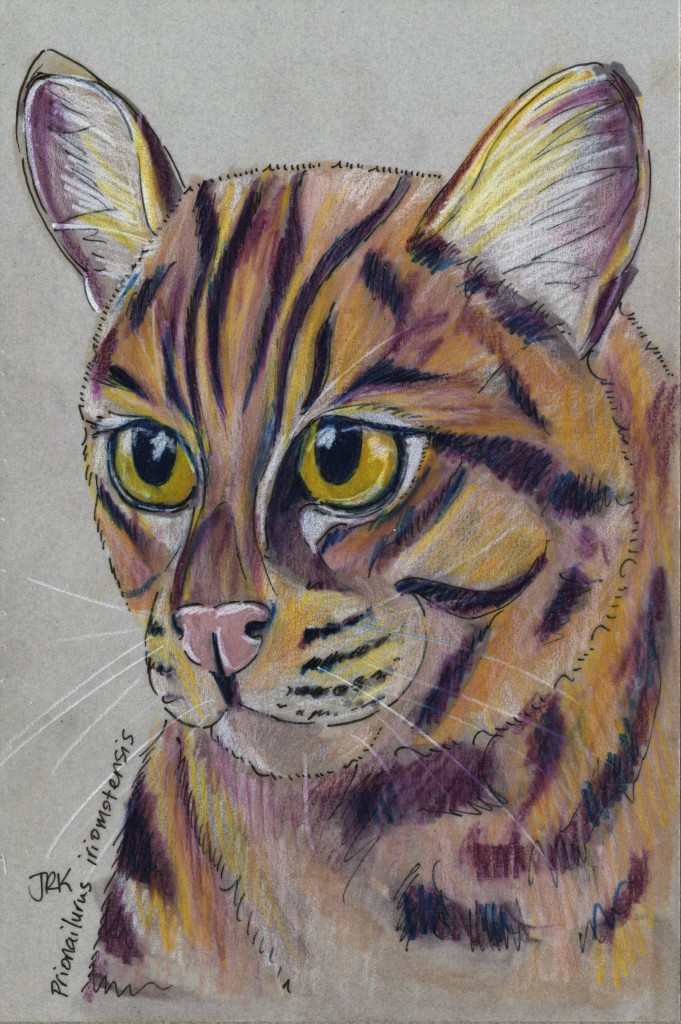
Read more Japan Benefit: イリオモテヤマネコ (Iriomote Cat) (Prionailurus iriomotensis) Mar 31, 2011 by JR Kinyak All week, my daughter Coco and I are selling our drawings of... Read more
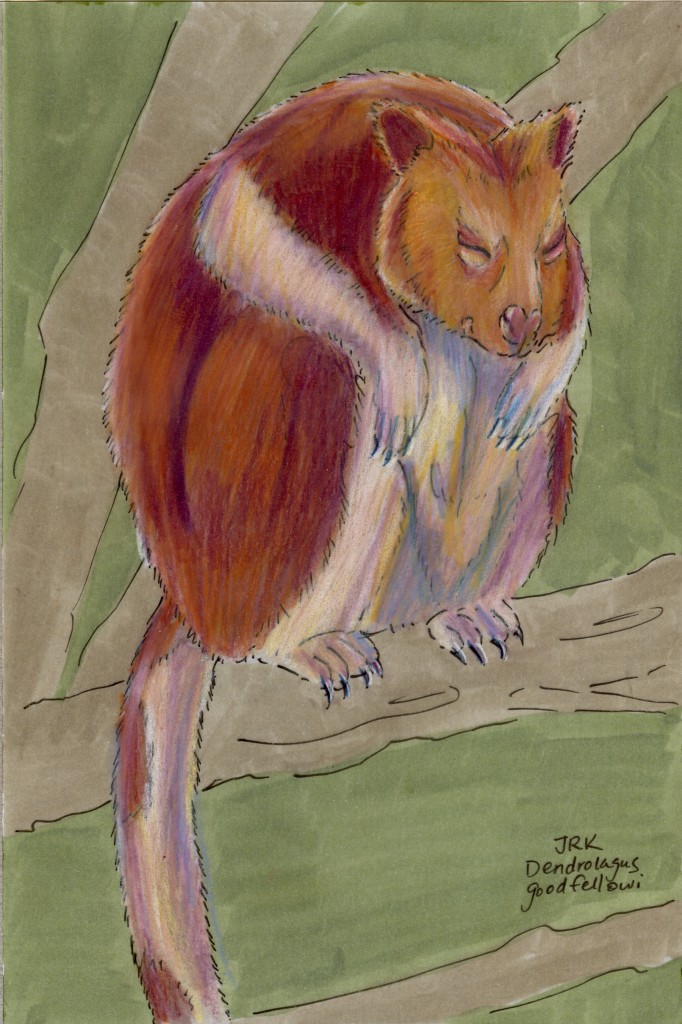
Read more Goodfellow’s Tree Kangaroo (Dendrolagus goodfellowi) Mar 25, 2011 by JR Kinyak I’m eager to introduce you to an enchanting tree... Read more
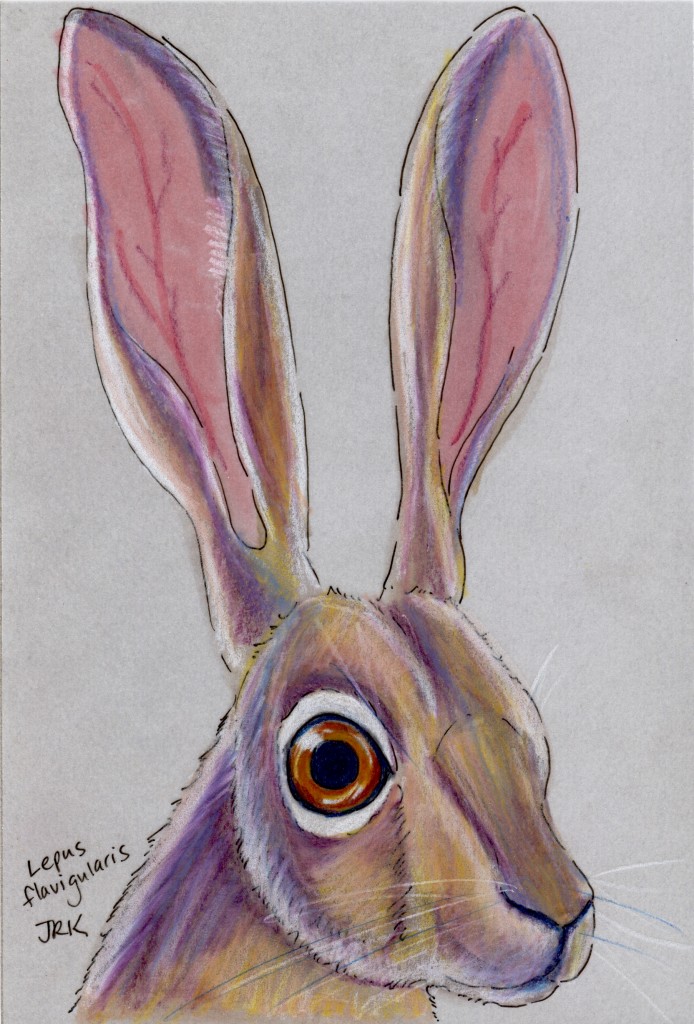
Read more Tehuantepec Jackrabbit (Lepis flavigularis) Mar 24, 2011 by JR Kinyak Before we meet a long-eared jackrabbit from Mexico, an... Read more
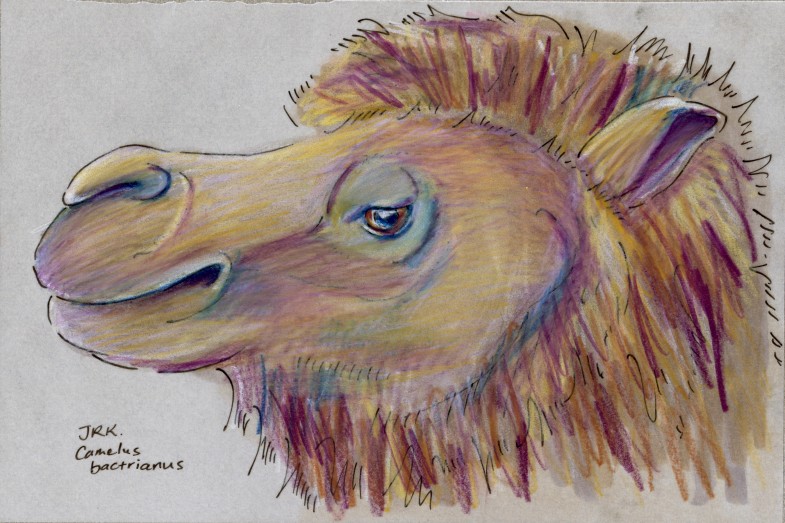
Read more Bactrian Camel (Camelus bactrianus) Mar 8, 2011 by JR Kinyak Number 0358 The Bactrian camel is the one with two humps. The... Read more
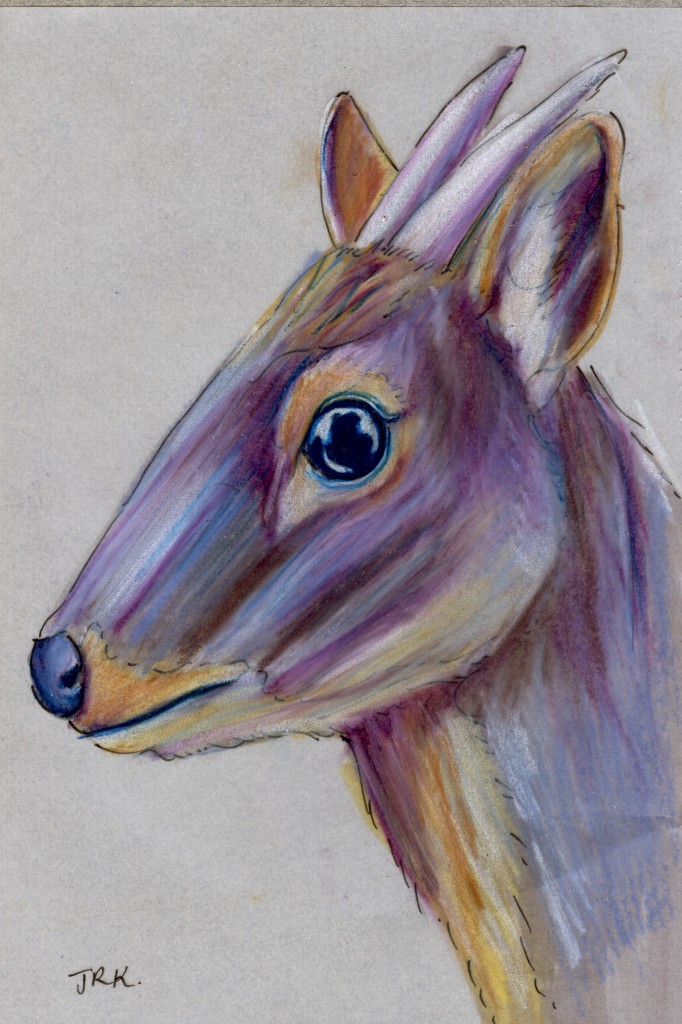
Read more World Cup: Chilean Pudú (Pudu puda) Jul 8, 2010 by JR Kinyak Number 0341 The Mammals of the World Cup series is almost... Read more
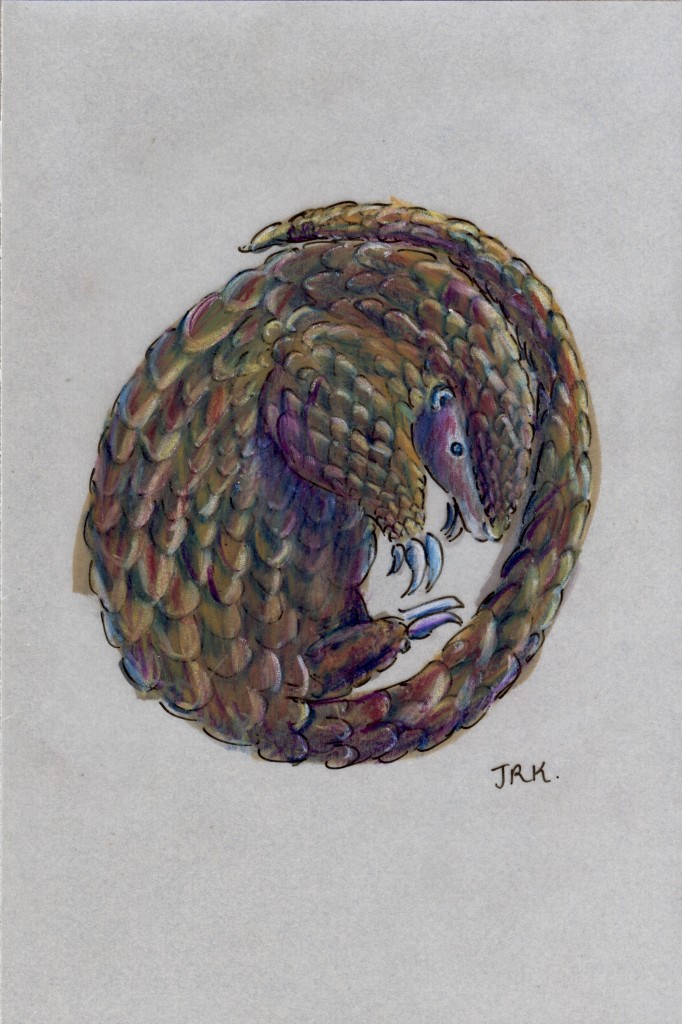
Read more World Cup: Côte d’Ivoire’s Tree Pangolin (Manis tricuspis) Jul 4, 2010 by JR Kinyak Number 0336 Representing the Ivory Coast in the mammalian World... Read more
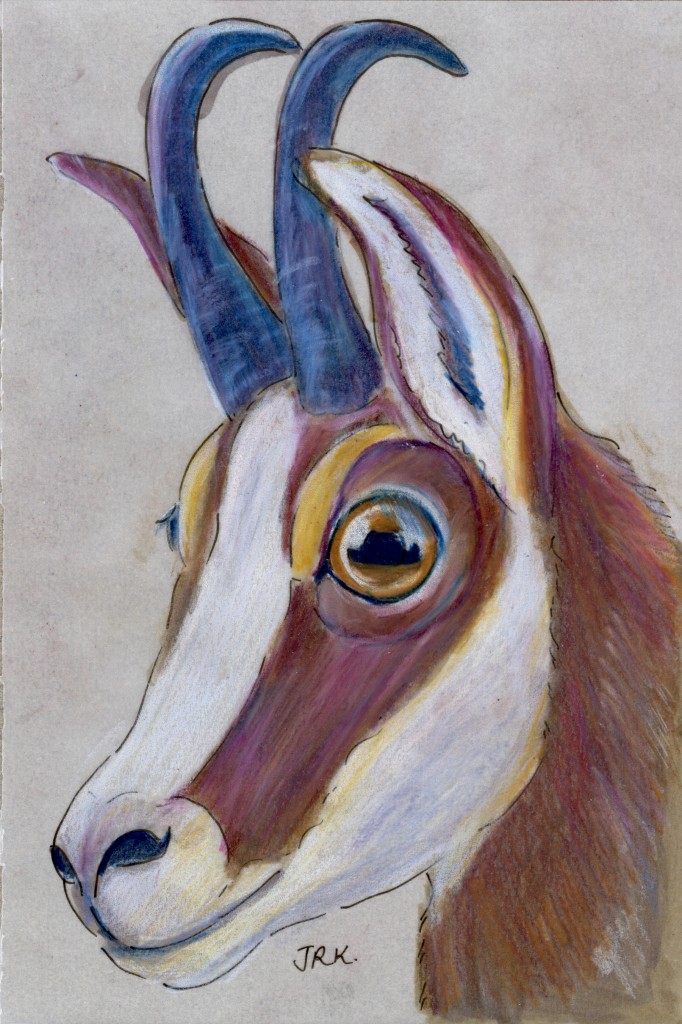
Read more World Cup: Slovakia’s Tatra Chamois (Rupicapra rupicapra tatrica) Jul 3, 2010 by JR Kinyak Number 0335 I don’t usually highlight a particular... Read more
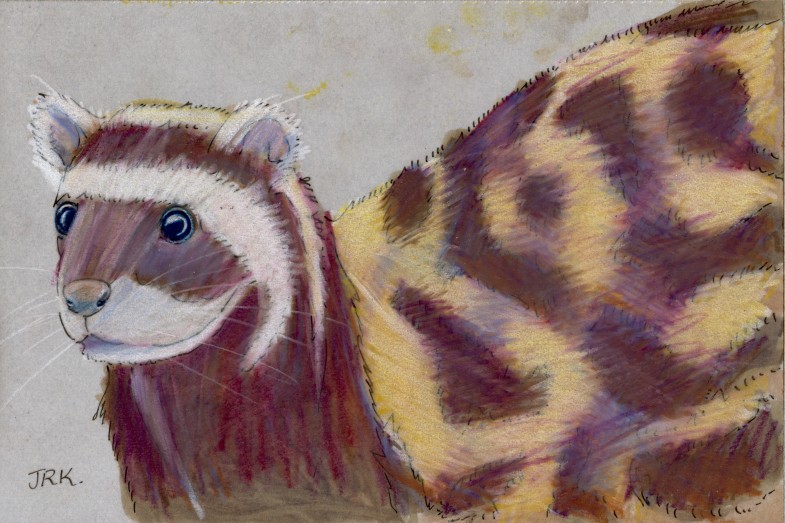
Read more World Cup: Serbia’s Marbled Polecat (Vormela peregusna) Jun 25, 2010 by JR Kinyak Number 0324 Today marked the end of the first stage of play in... Read more
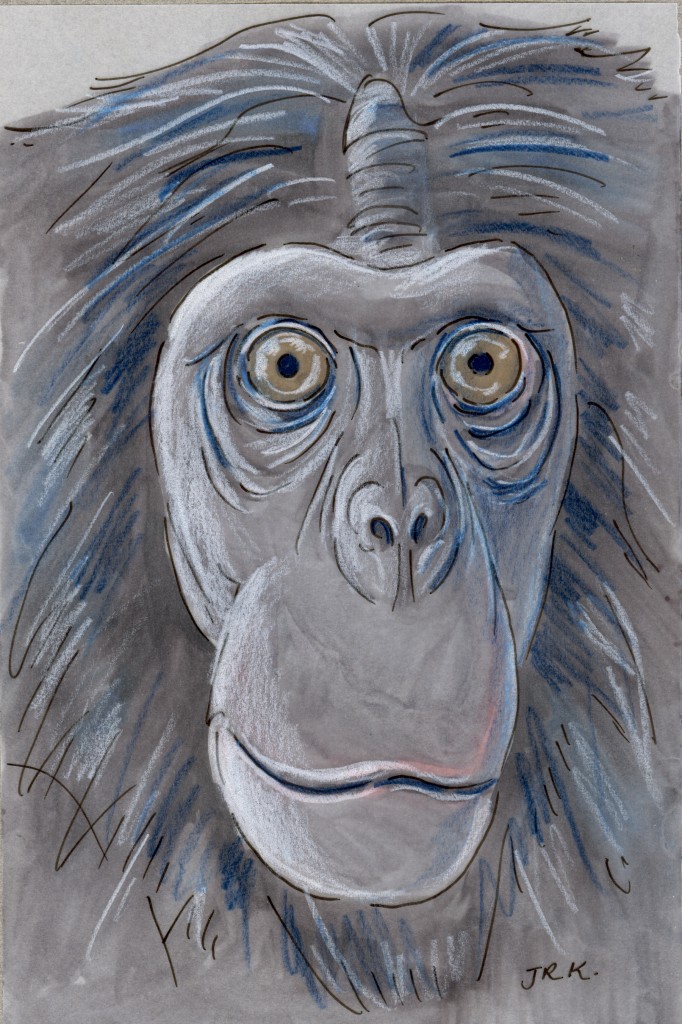
Read more Bonobo (Pan paniscus) Jun 10, 2010 by JR Kinyak Number 0309 There are two kinds of people: bonobos and... Read more
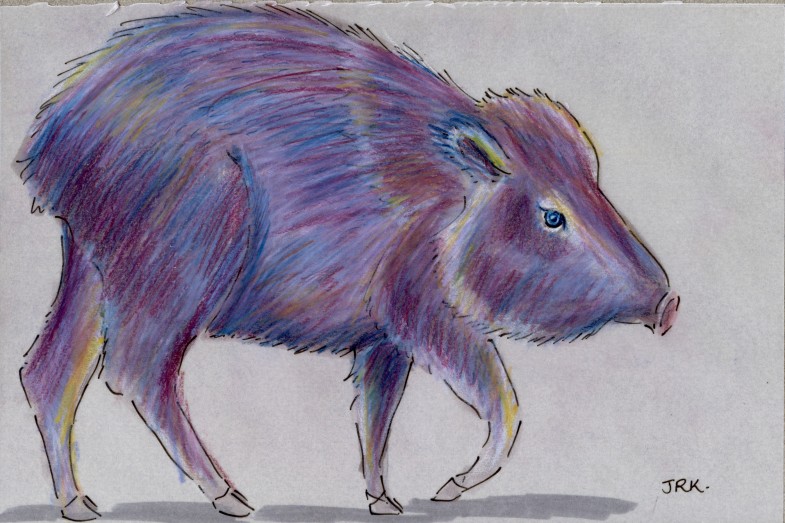
Read more Chacoan Peccary (Catagonus wagneri) Jun 7, 2010 by JR Kinyak Number 0302 This peccary species lives in the Gran Chaco of... Read more
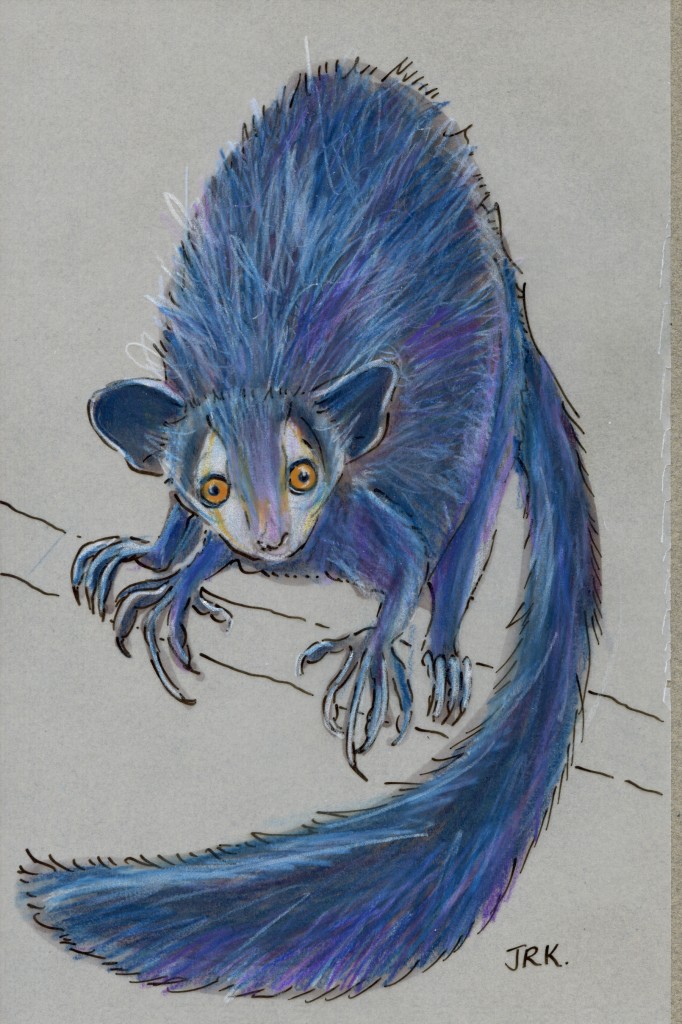
Read more Aye-aye (Daubentonia madagascariensis) Jun 1, 2010 by JR Kinyak Number 0293 The aye-aye is the only mammal I can think of that... Read more
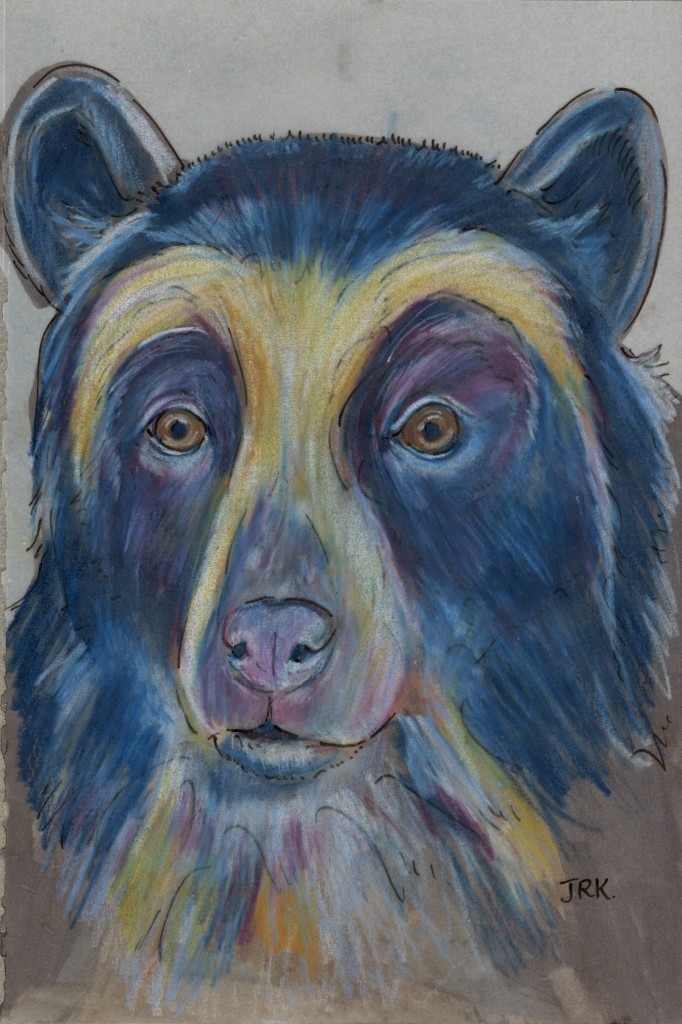
Read more Spectacled Bear (Tremarctos ornatus) Apr 12, 2010 by JR Kinyak Number 0292 The only bear from South America, the spectacled... Read more
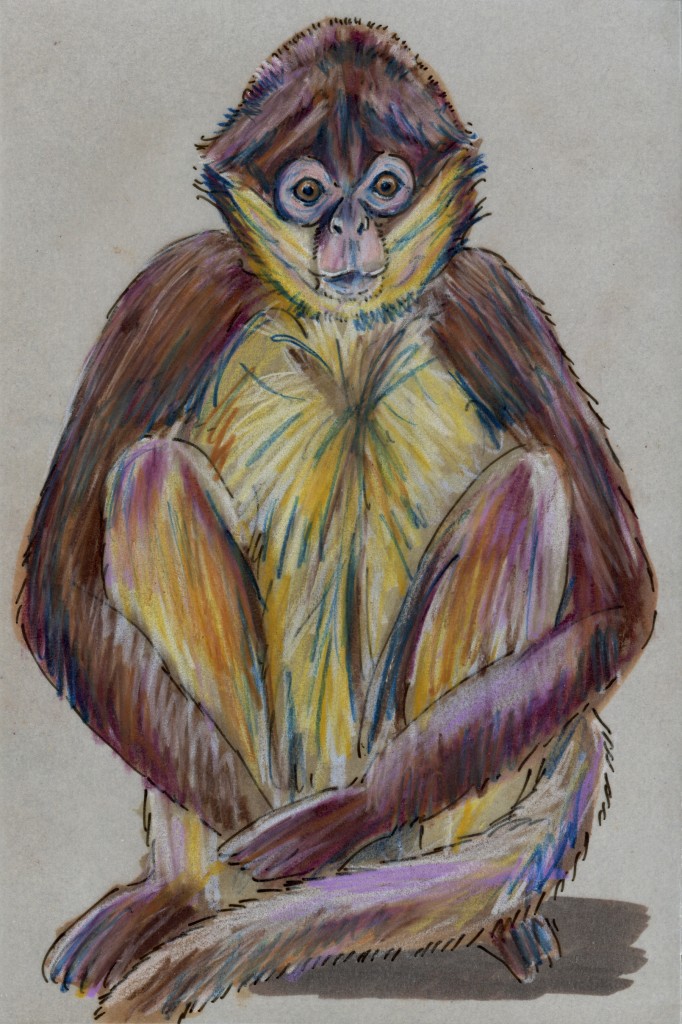
Read more Black-handed Spider Monkey (Ateles geoffroyi) Sep 15, 2009 by JR Kinyak Number 0287 These incredibly agile monkeys live throughout... Read more
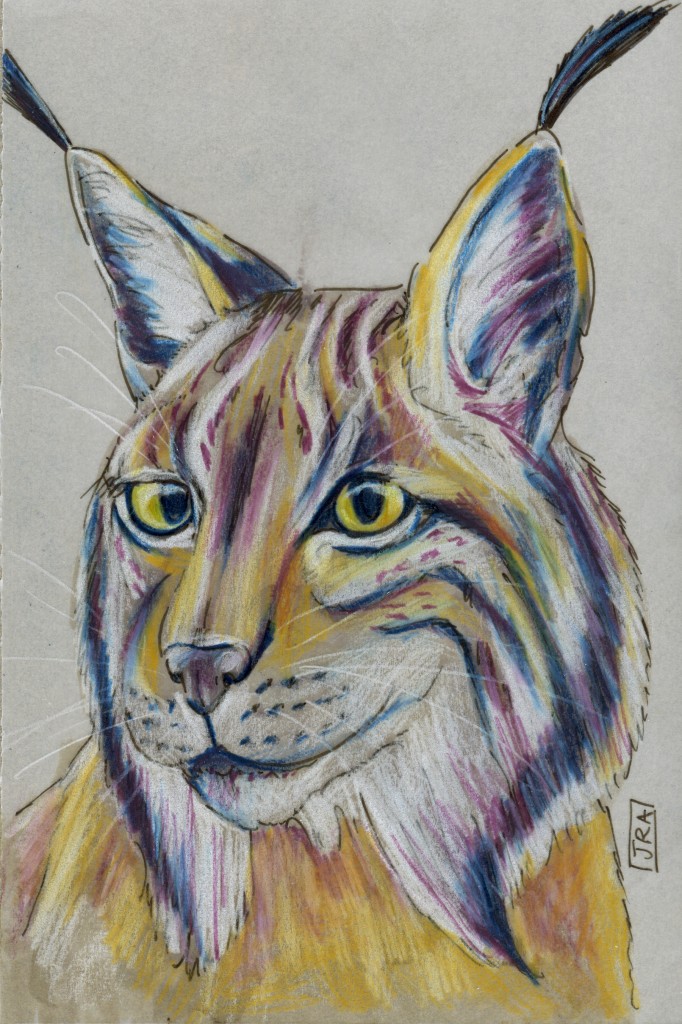
Read more Iberian Lynx (Lynx pardinus) Jul 8, 2009 by JR Kinyak Number 0270 The Iberian lynx is the most endangered cat species... Read more
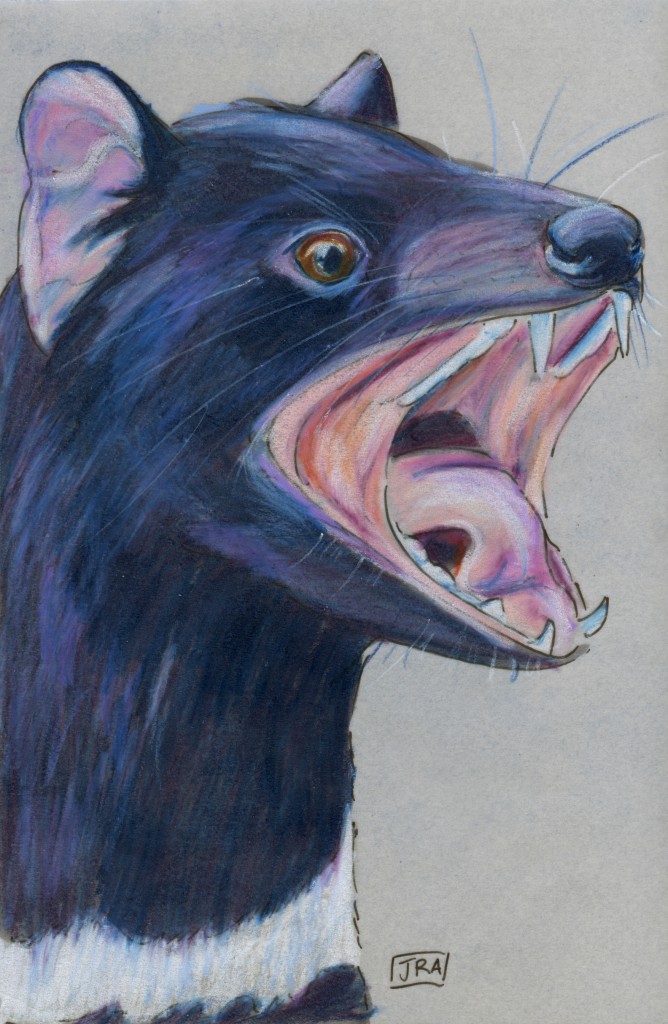
Read more Tasmanian Devil (Sarcophilus harrisii) May 29, 2009 by JR Kinyak Number 0262 Tasmanian devils are feisty, aggressive guys, with... Read more
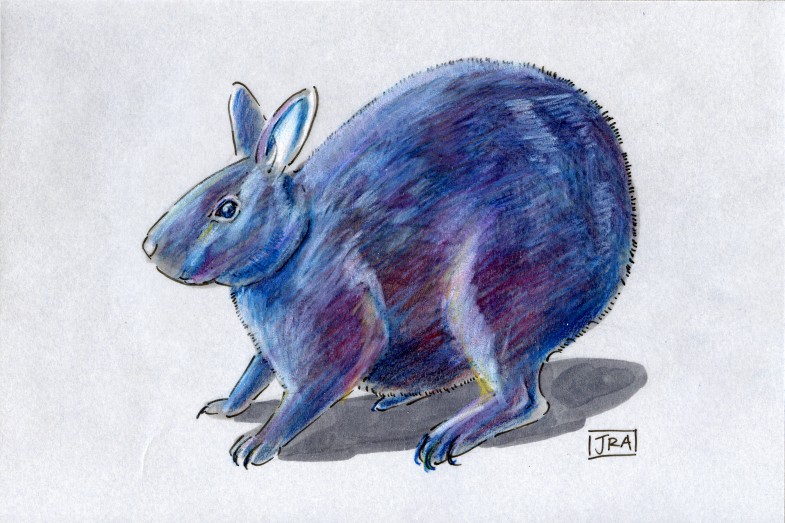
Read more Amami Rabbit (Pentalagus furnessi) May 8, 2009 by JR Kinyak Number 0258 This fuzzy, stout rabbit lives only on the Japanese... Read more
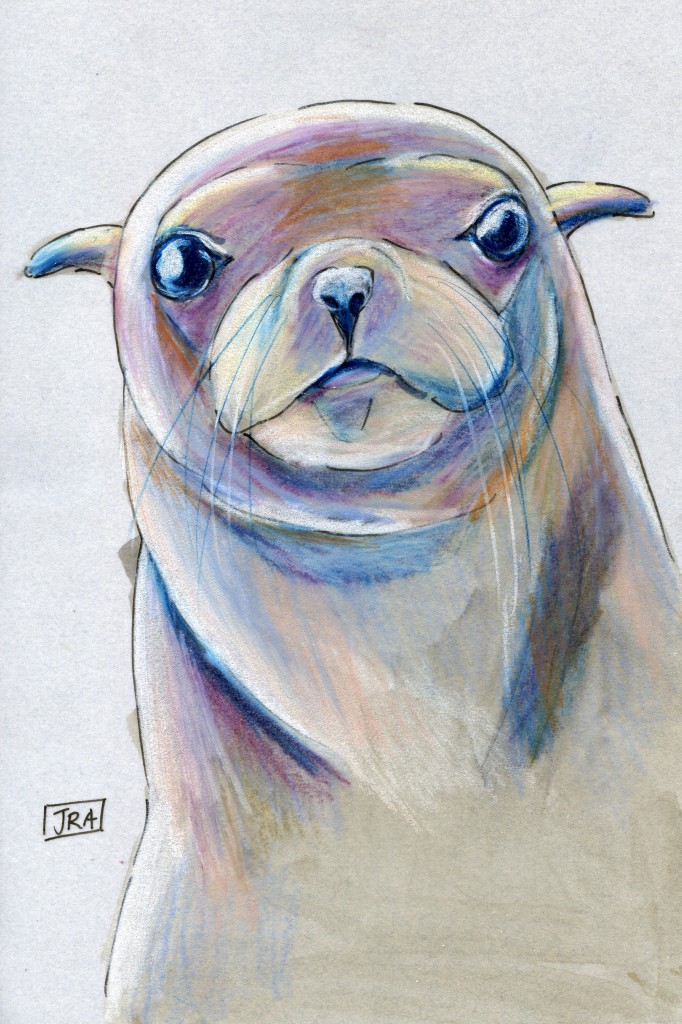
Read more Guadalupe Fur Seal (Arctocephalus townsendi) May 7, 2009 by JR Kinyak Number 0257 Between yesterday’s squirrel and this seal... Read more