From the category archives:

Theme Weeks

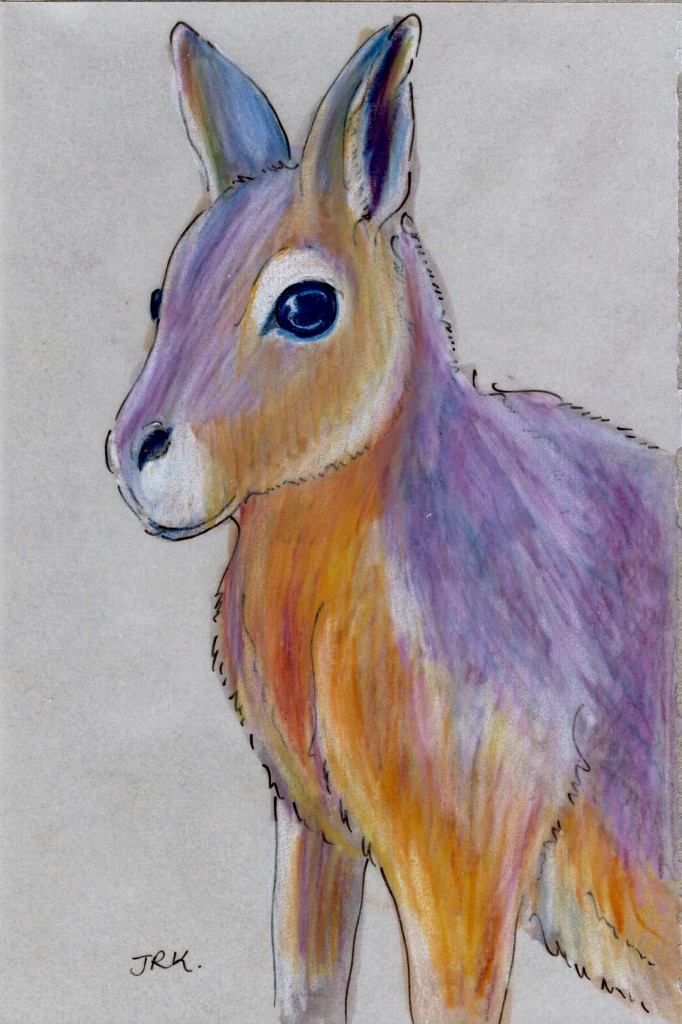
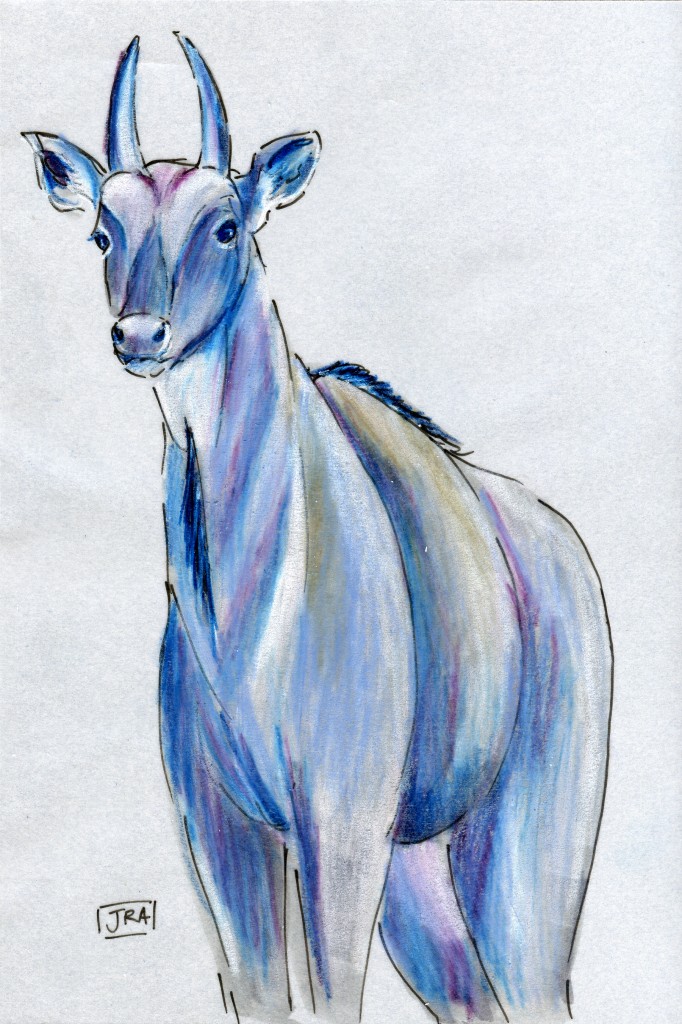
Klipspringer

Klipspringer (click image to enlarge)


0352

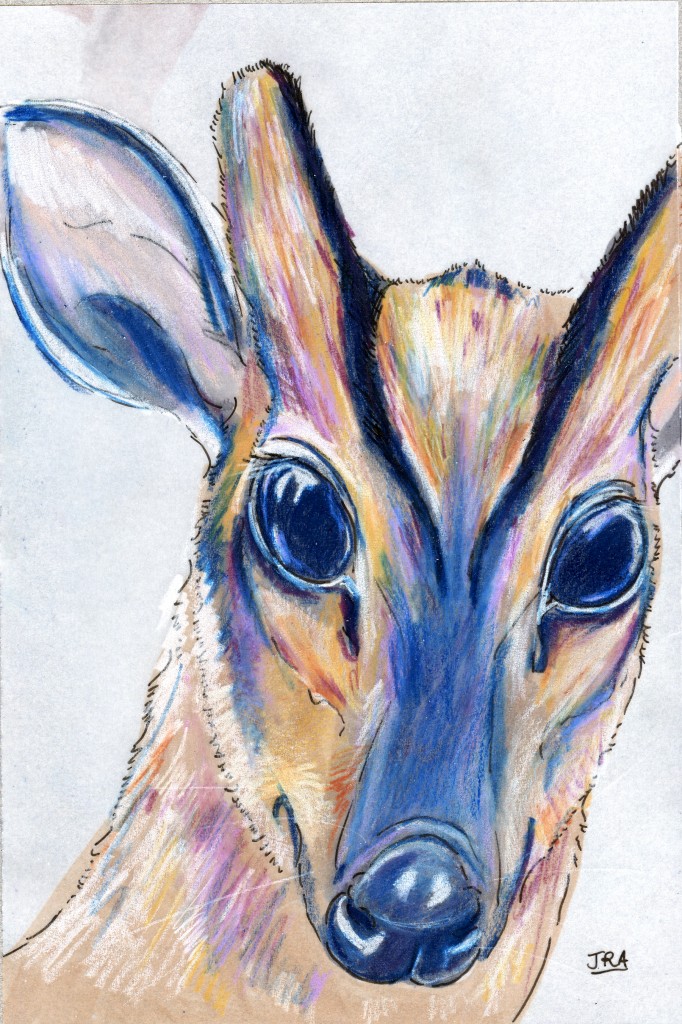
The klipspringer is a little-bitty antelope that lives in eastern and southern Africa on rocky cliffs. I originally picked it for my planned Mammal Mating theme week because it is a rare example of a monogamous mammal. (Most birds are monogamous; most mammals are not.) And what’s interesting is why it’s monogamous. And I also find it interesting that we humans—just apes, really—are able to reason out why other animals do things by analyzing their behavior and habitats and things like that.

Klipspringers are monogamous because monogamy gives them their best chance at avoiding predators. Most small mammals avoid predators by what’s called crypsis—either camouflaging themselves or hiding—or by running away. Klipspringers avoid predators by climbing up onto clifftops where it’s hard for predators to get and where the klipspringers can watch for trouble. But their food is at the base of the cliffs, and if your head is down and you’re eating, it’s easy for a lion to sneak up on you.

So klipspringers pair off—one male and one female—and take turns being lookout while the other eats. The female has to eat more, and also has to bear the children, so the male spends more time and energy watching for predators. The male’s increased alertness allows the female to be more relaxed and concentrate on reproduction and raising her babies. It’s also the male’s job to make sure the female never gets too far away—usually within five meters. She just munches along, knowing that he’ll keep track of her and let her know if trouble is near. (This is also more or less why I got married.)

It makes sense that a pair is the best size group for this. A male with a harem herd would have trouble keeping track of so many gals, and a large herd of males and females wouldn’t be able to so easily get up on the cliffs and away from danger. And a pair of females would both have to eat more to support reproduction and baby-raising, so neither of them could concentrate on guarding.

{ 2 comments }

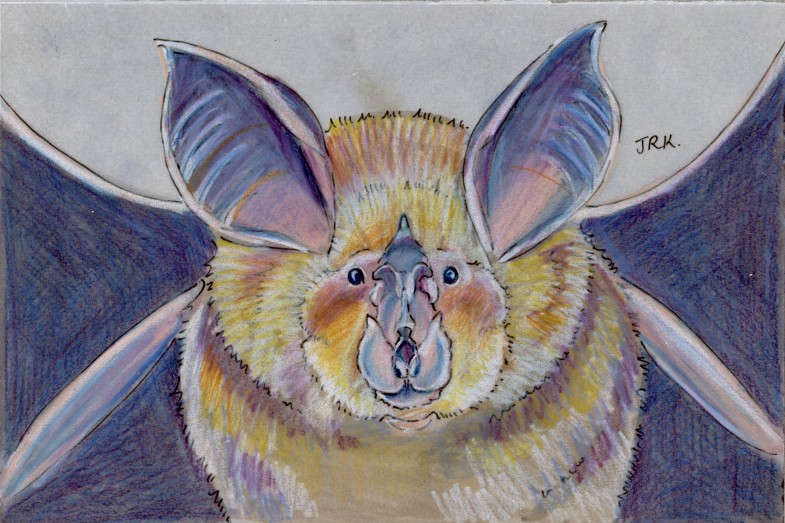
Wrinkle-faced Bat (Centurio senex)

by JR Kinyak on February 28, 2011

in Bats,Theme Weeks

wrinkle-faced bat

Wrinkle-faced bat (click image to enlarge)


0351

When I drew this guy, I was working on a Mammal Mating theme week, but that was several months ago, and now I can’t figure out what’s interesting about the wrinkle-faced bat’s mating habits, except that scientists speculate that the wrinkled face may be related to sexual selection. Only the males have big neck flaps, and they emit a musky odor from their chin regions, and why would males emit a musky odor from their chin regions if not to attract females?

The flaps at the male bats’ necks are so big that when they’re resting, they flip the flaps up to cover their entire faces. I thought it might be to keep light out so they could sleep better during the day, but then I learned that they have translucent patches over the eyes! Pretty amazing.

This article from the Journal of Zoology (link is to a PDF) uses words like bizarre, extraordinary, unusual, exceptional, enigmatic, and dramatic in describing the bat’s strange face and head. The wrinkle-faced bat is frugivorous, meaning it eats fruit, and the article’s authors conclude that it’s likely that the shape of the head, anyway, is in service of the bat’s strong bite, which perhaps helps it eat harder fruits and therefore survive when weaker-jawed frugivores wouldn’t. Usually, when a bat has strange facial folds, it’s thought that the wrinkles help focus the bat’s sonar so it can better catch insects. But this fruit-eater obviously doesn’t need that kind of help. I read one theory speculating that the wrinkles could channel fruit juice into the bat’s mouth.

The scientific name Centurio senex means “100-year-old man.”

{ 4 comments }

World Cup: The Mammalian Tournament Bracket

by JR Kinyak on July 11, 2010

in Theme Weeks

Today is the final match in the real World Cup, between Spain and the Netherlands. Both of those countries are still in the mammalian World Cup,too. Let’s see how they fare! I’ve made a bracket of the tournament, with results and commentary for all but the final match. Who do you think would win that one? Check out the tournament bracket and share your thoughts.

{ 2 comments }

World Cup: Four Swiss Voles

by JR Kinyak on July 10, 2010

in Rodents,Theme Weeks

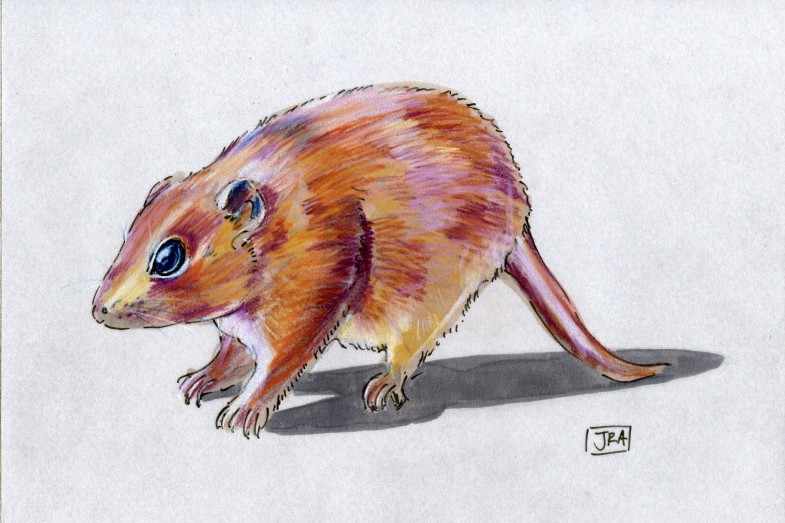
Four voles of Switzerland (click image to enlarge)

0346
0345
0344
0343

Our last competitors in the mammalian World Cup are these four fellows from Switzerland. Clockwise from the top right, we have the European water vole (Arvicola aquatica), the European snow vole (Chionomys nivalis), the European pine vole (Microtus subterraneus), and the bank vole (Myodes glareolus). Some good news about these guys: they are all widespread throughout their ranges with no major threats, and IUCN classifies them as Least Concern. Yay for the voles!

Switzerland’s soccer team has made it to the World Cup several times, reaching the quarterfinals twice in the 1930s and again in 1954. In 2006, the Swiss team set two World Cup records: they were the first team to be bumped out of the competition without anyone ever scoring a goal against them, and they were the first team to not make a single penalty kick in a shootout. (Ukraine made three against them in the Round of 16, which is how Switzerland was eliminated.) This year, they didn’t make it out of the group stage, although they did shock everyone by beating favorites Spain in their first game of the tournament.

Tomorrow is the final match of the World Cup, and I may miss it because I’ll be traveling, but I won’t miss giving you the results of the Mammals of the World Cup competition! First, we need to wrap up the group results.

Group H Results

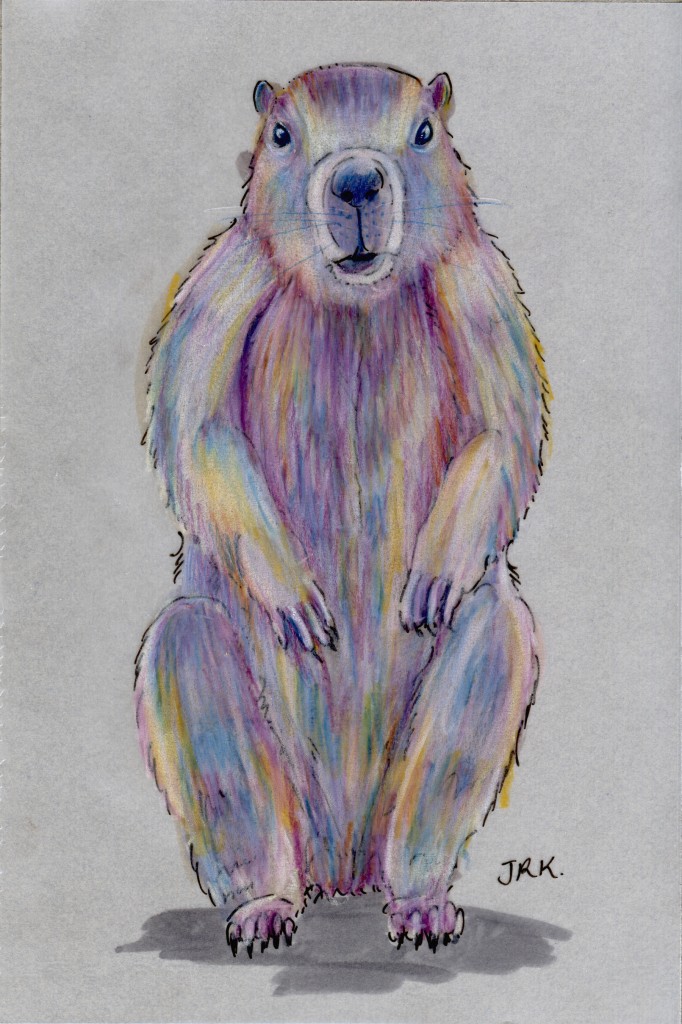
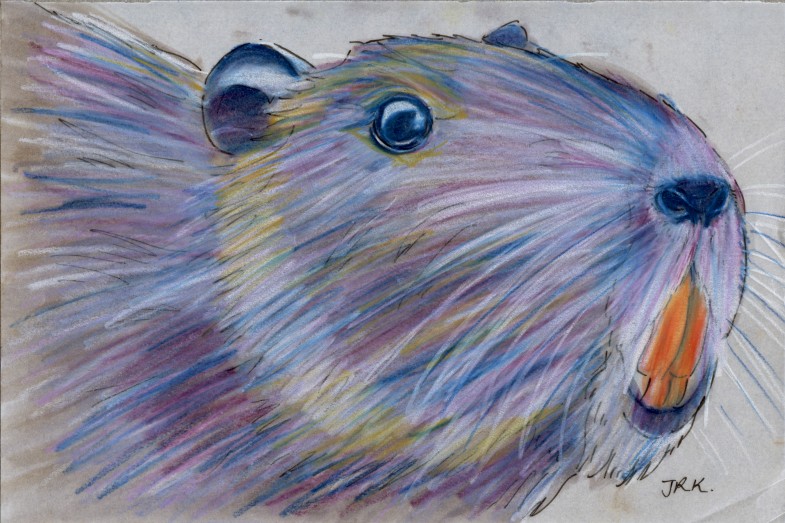
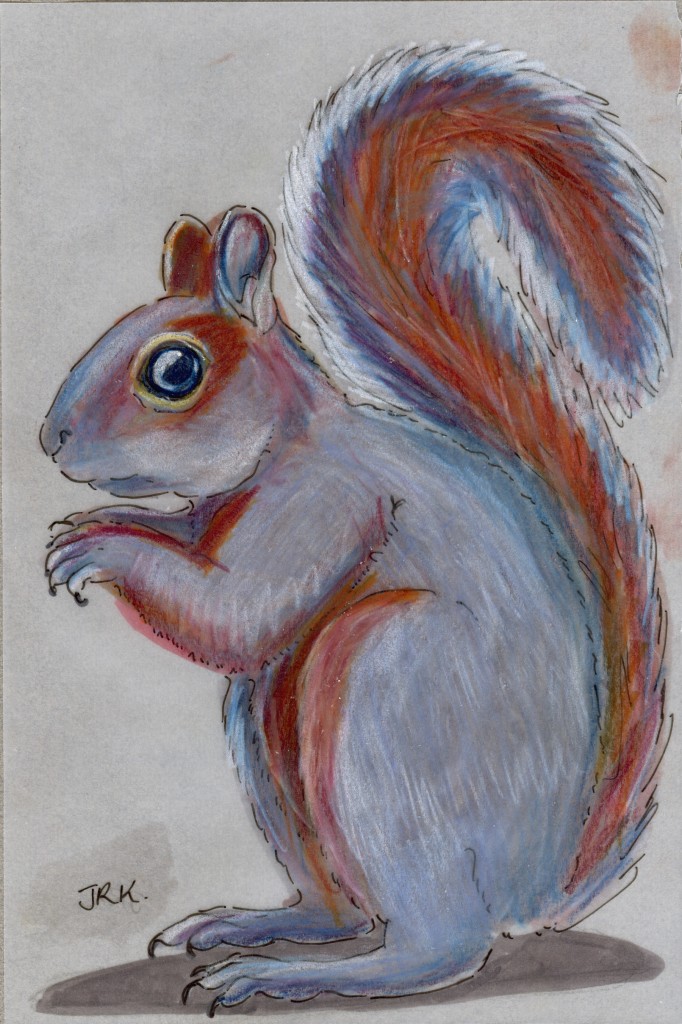
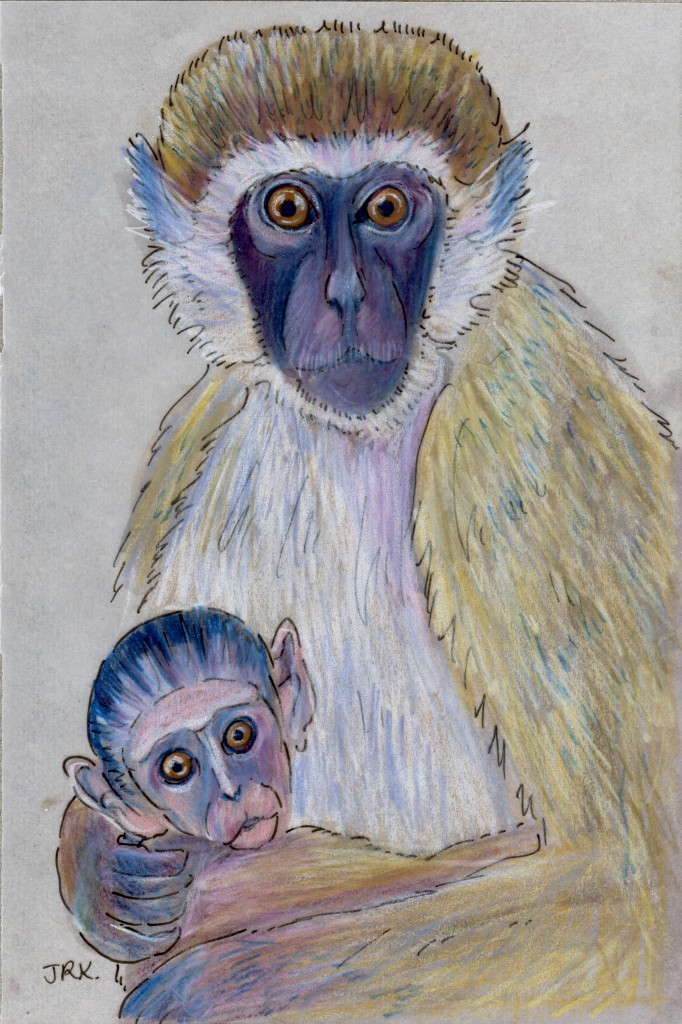
Group H was the tayra from Honduras, the pudú from Chile, the Spanish ibex, and today’s four voles (that seems unfair, now that I think about it). The voles might run around underfoot, but they’ll hardly pose a threat. The pudú is tiny. The tayra is the closest thing we have to a carnivore in this group, and the ibex has some mighty horns. So the two mammals continuing on to the Round of 16 from this group are:

Tayra (Honduras)
and
Spanish Ibex (Spain)

{ 0 comments }

Spanish ibex (click image to enlarge)


0342

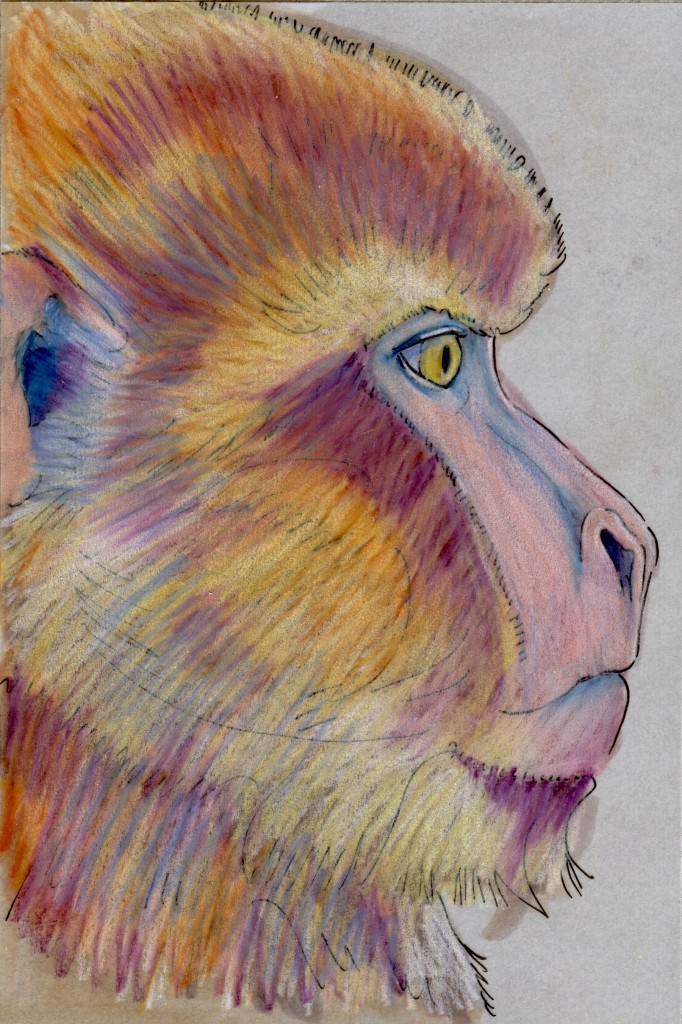
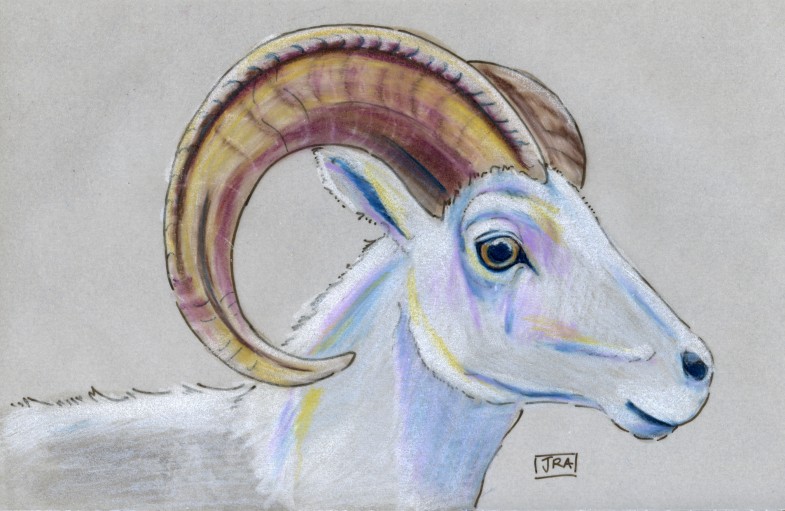
The Spanish ibex is our penultimate mammalian World Cup competitor! Representing Spain, natch, it’s a nimble goat that lives in rocky places, once throughout the Iberian Peninsula, but now only in Spain and where it’s been reintroduced to Portugal. Of the four subspecies that once existed, only two remain. The last Pyrenean ibex, Capra pyrenaica pyrenaica, died in 2000 after being hit by a tree. It was successfully cloned, if you can call it a success when your clone only lives for seven minutes. The Capra pyrenaica species as a whole, however, is doing well, its numbers increasing as it hops its way over the cliffs of Spain.

Spain’s soccer team is doing well, too. Of the 19 World Cups in history, Spain has qualified for 13. Although it’s never before done better than fourth place, it was one of the favorites to win the whole thing this year, and sure enough, Spain will be playing in the finals against the Netherlands on Sunday.

{ 0 comments }

Pudú (click image to enlarge)


0341

The Mammals of the World Cup series is almost finished! Just two more countries after today’s representative from Chile, the Chilean or southern pudú, which is the second smallest deer in the world, the first being the northern pudú, this guy’s cousin. The Chilean pudú is less than a foot and a half tall and is vulnerable to becoming endangered because of habitat loss (join the club, little pudú) in its forest home, poaching, and domestic dogs.

There’s a Chilean metal band called Power of the Pudú, and they have a song called “Oda al Pudú,” or “Ode to the Pudú.” Check out the video below, which has translated subtitles (seemingly translated by a computer). It’s pretty good!

As for Chile’s soccer team, they have a long and sometimes disgraceful World Cup history. They’ve made it to the big tournament eight times, earning third place in 1962, when they hosted, and making it to the Round of 16 this year. But in 1990, the team was banned from that year’s tournament and the next one, too (1994), because of something that happened at a 1989 qualifying game against Brazil. Chile was behind 1–0 when a Brazilian fan threw a firework onto the pitch. The goalie, Roberto Rojas (nicknamed Cóndor) fell to the ground, his head bleeding, and the team doctor came out to have a look at him. They took him off on a stretcher, and then the Chilean team captain came out and said the team would not be returning to the game because conditions were unsafe.

Well, it turned out that the firework did not hit Rojas, but that he had cut himself deliberately in order to stop the game. It also came out that the team doctor had submitted a “fraudulent medical certificate” and that the coach had ordered Rojas and the doctor, by walkie-talkie, to stay on the ground. In the end, Rojas, the doctor, and the coach were all banned from soccer for life, the team captain who kept the team from returning to play was banned for five years, and the team was banned from the following two World Cups. In 2001, FIFA lifted the ban against Rojas.

YouTube has several videos about the incident, but they’re all in Spanish or Portuguese. Here’s one, marking the game’s 20th anniversary. You may or may not be able to understand the words, but the footage of the firework and the injury say a lot on their own.

{ 0 comments }

Tayra (click image to enlarge)

0340

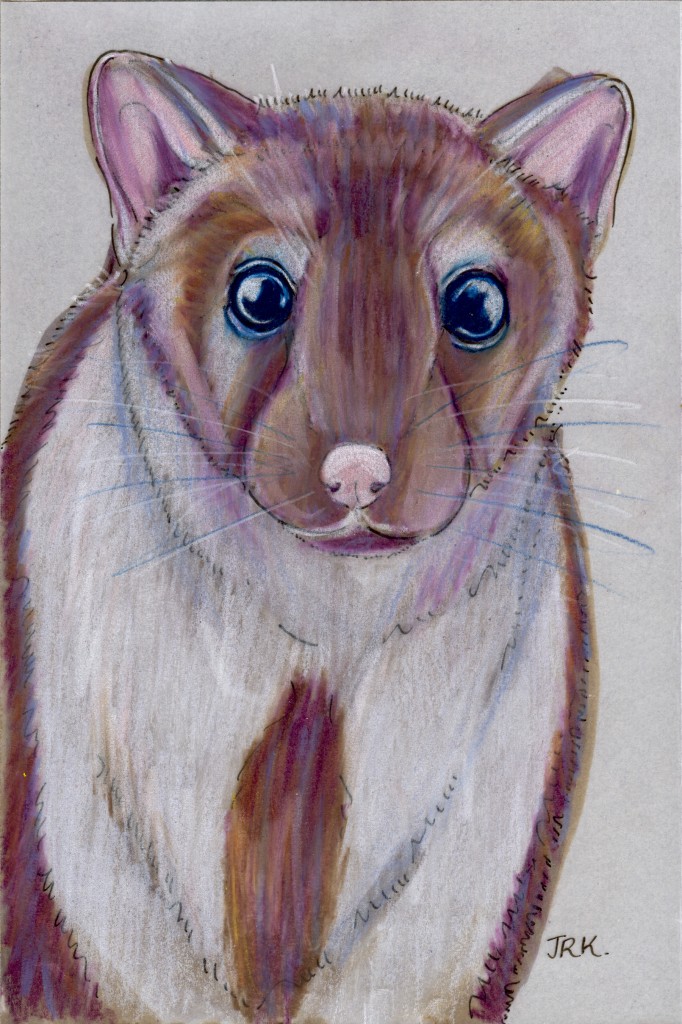
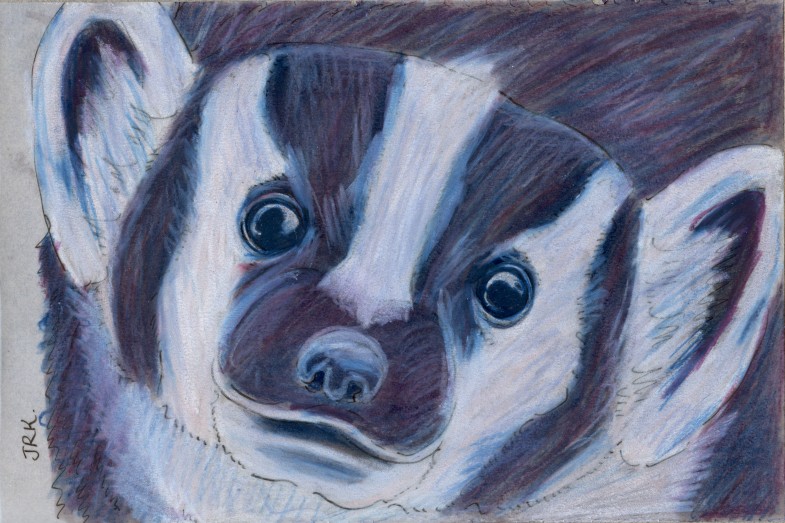
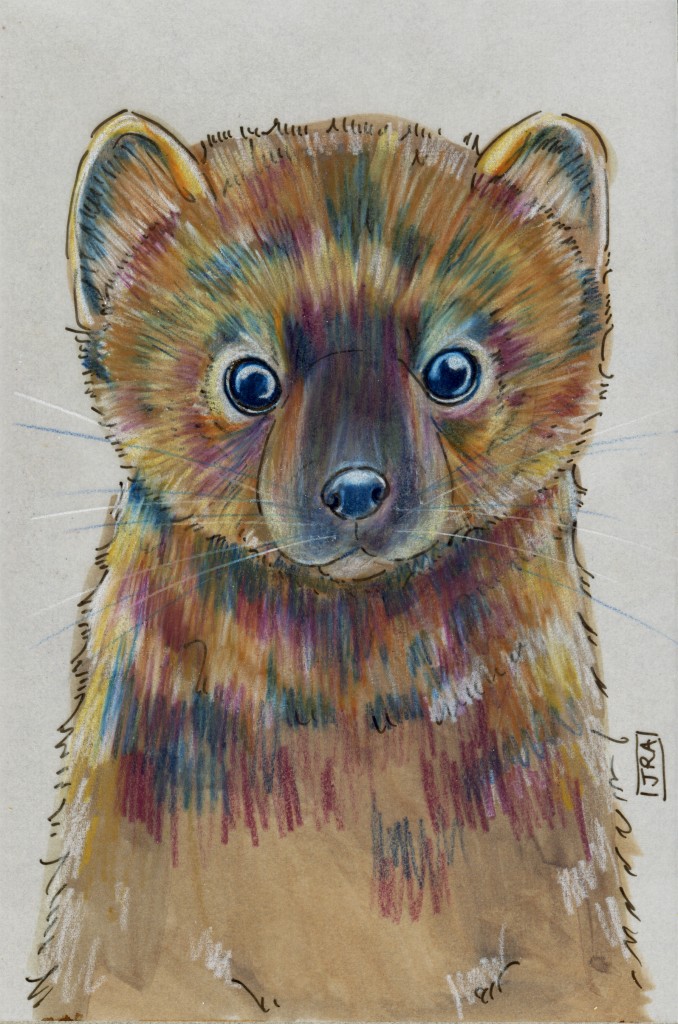
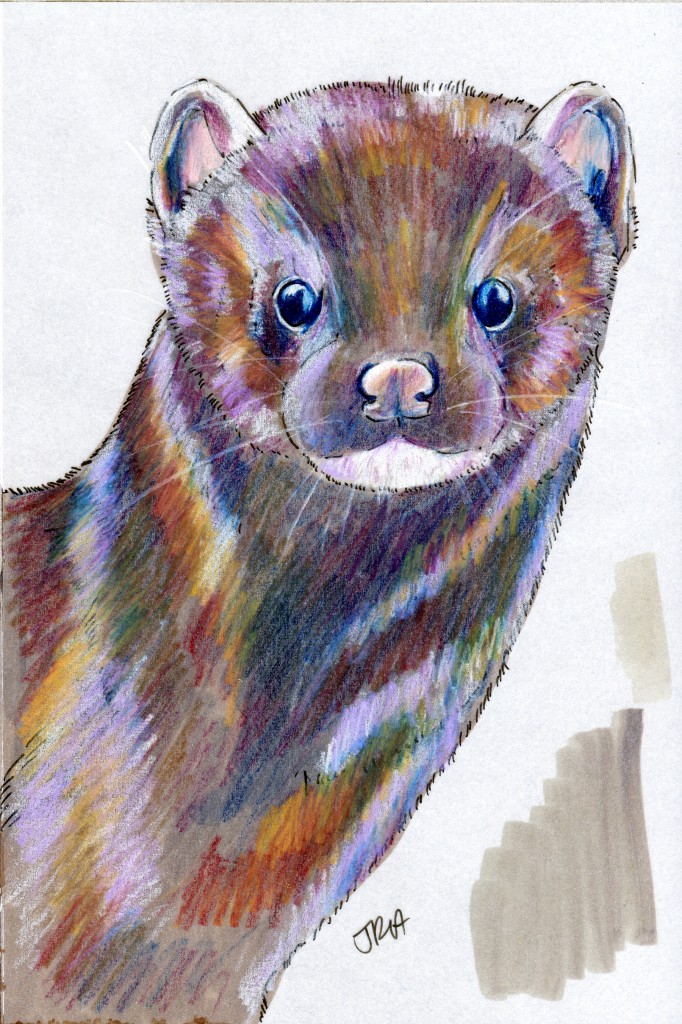
We’re now in the last group of competitors in the World Cup. Just four more countries, including this one, and we’re all done with our look at the soccer tournament. Today’s mammal is the tayra, representing Honduras. It’s a mustelid, or a member of the weasel family, that is quite common in Central and South America. Tayras are not picky eaters. They mostly eat small mammals, like rats, but they also like honeycombs, birds, reptiles, and lots and lots of fruit. They are sometimes kept as pets, and when I googled “tayra pet,” I found this rather interesting historic artifact (the link is to a PDF): a short essay from 1882, reprinted in the New York Times from the London Field, about a pet tayra and animals’ trust of us. The author concludes with a rather utopian vision that contradicts what he said earlier about the viciousness of tayras, but it’s an interesting snapshot of 1882 nevertheless.

Honduras has qualified for the World Cup twice: in 1982 and this year. Both times, the team made it no further than the first round, and both times, the team did not win a single game.

Group G Results

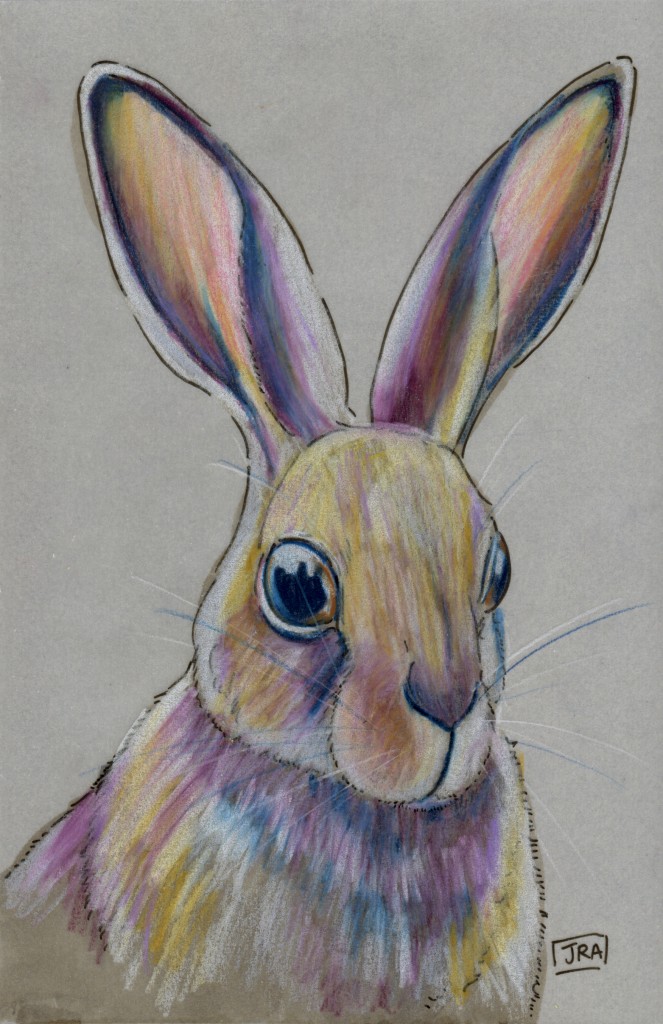
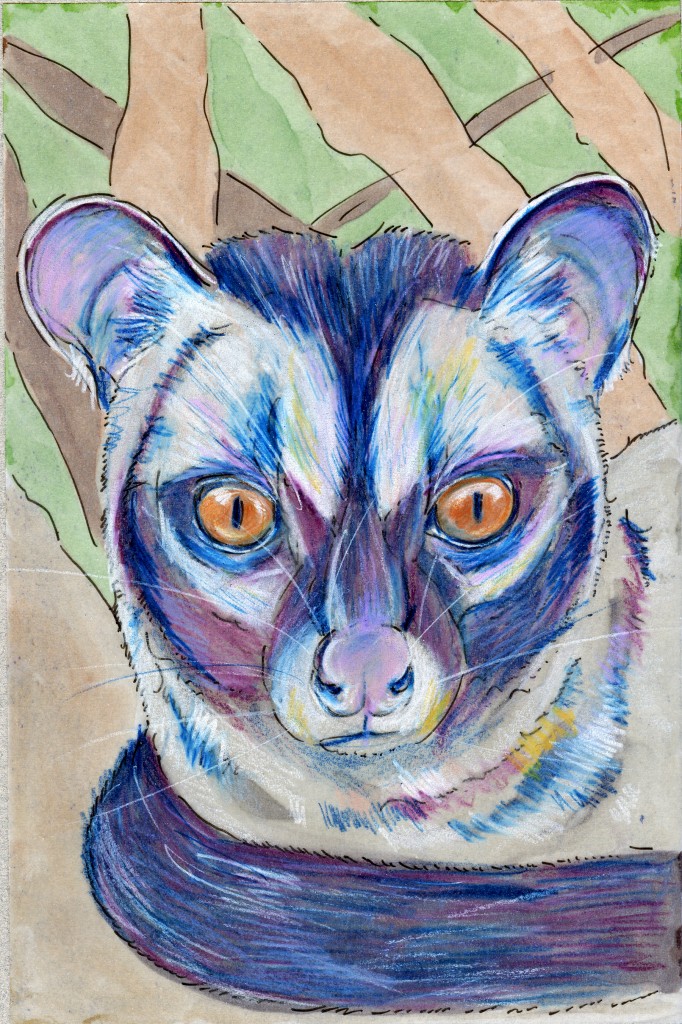
I neglected to give the results for Group G yesterday, so here we go! Group G included the tree pangolin from the Ivory Coast, the common genet from Portugal, the silky anteater from Brazil, and the Korean hare from North Korea. The genet is the only carnivore in this group, and I don’t think it would have any trouble with the anteater or the hare. The pangolin’s armor might mean the match between the genet and the pangolin would end in a draw. Hares are pretty harmless, and as my husband Ted says, it’s surprising that the anteater can even beat the ants. So the pangolin’s superior defense takes it through to the next round. From Group G, continuing on to the Round of 16:

Common Genet (Portugal)
and
Tree Pangolin (Ivory Coast)

{ 0 comments }