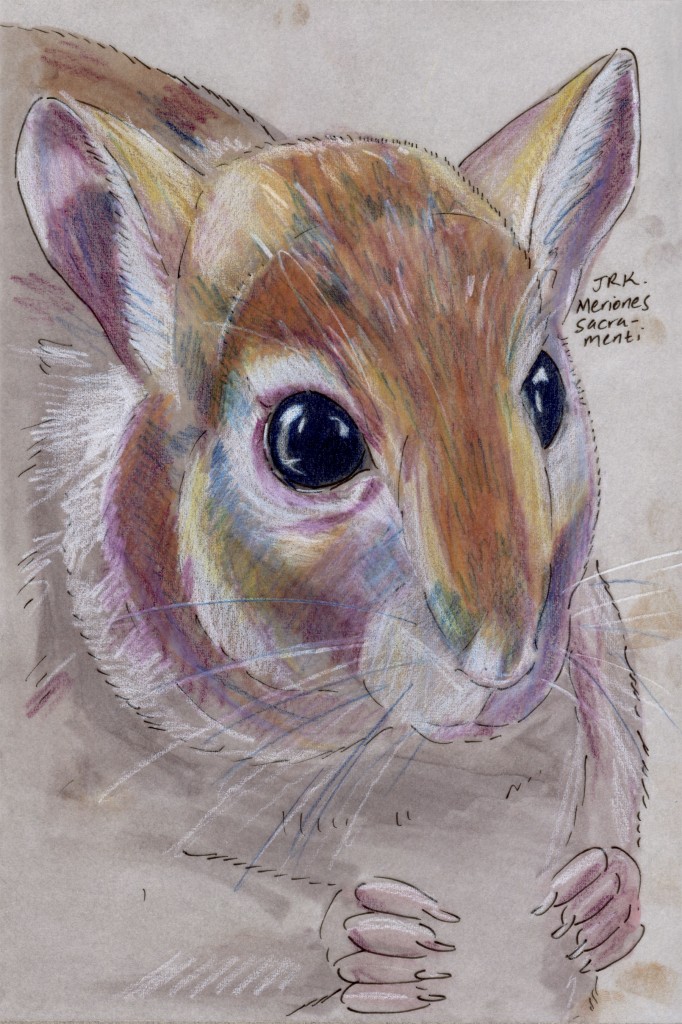
Read more Facebook Friends: Israel: Buxton’s Jird (Meriones sacramenti) Feb 4, 2014 by JR Kinyak 0456 In celebration of the fact that more than 100 people like... Read more
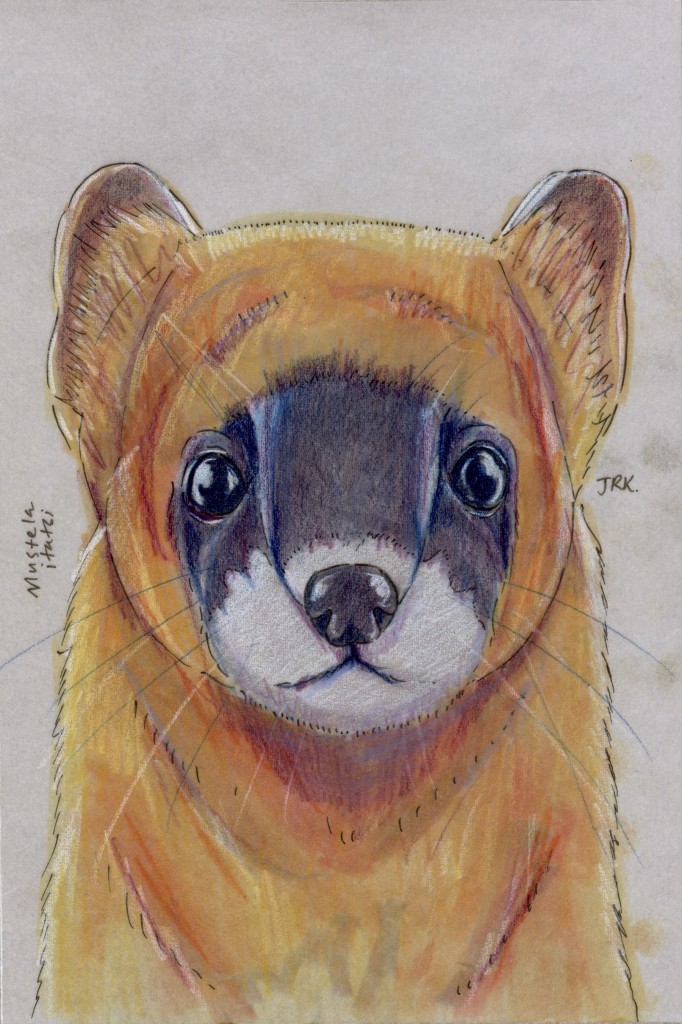
Read more Facebook Friends: Japan: Japanese Weasel (Mustela itatsi) Feb 3, 2014 by JR Kinyak Number 0455 Today we continue appreciating the people who have... Read more
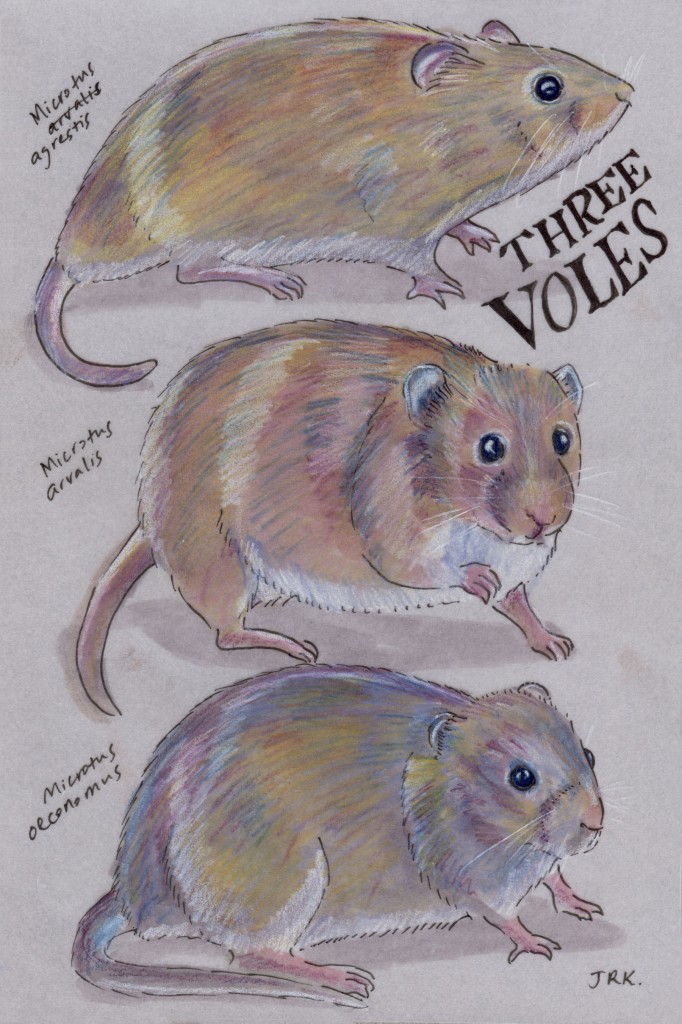
Read more Facebook Friends: Netherlands: Trio of Voles (Microtus spp.) Feb 1, 2014 by JR Kinyak Numbers 0452, 0453, and 0454 I’m continuing my... Read more
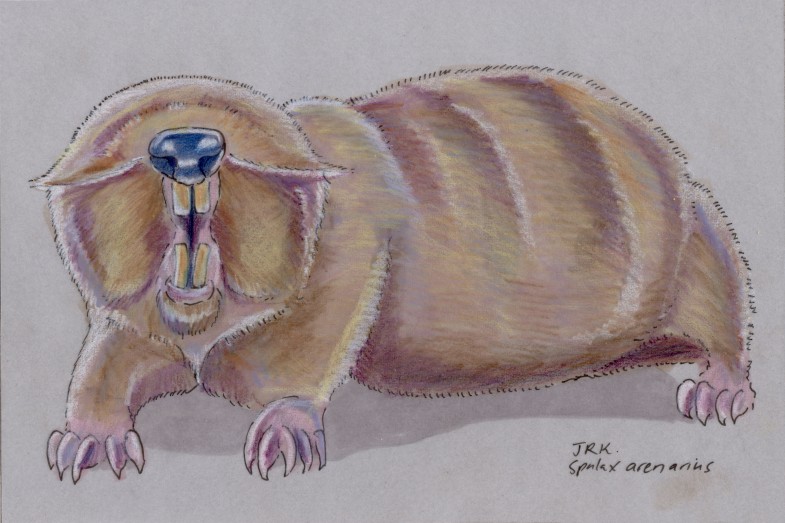
Read more Facebook Friends: Ukraine: Sandy Mole Rat (Spalax arenarius) Jan 30, 2014 by JR Kinyak Number 0451 It’s been a while, mammals! But I’m... Read more
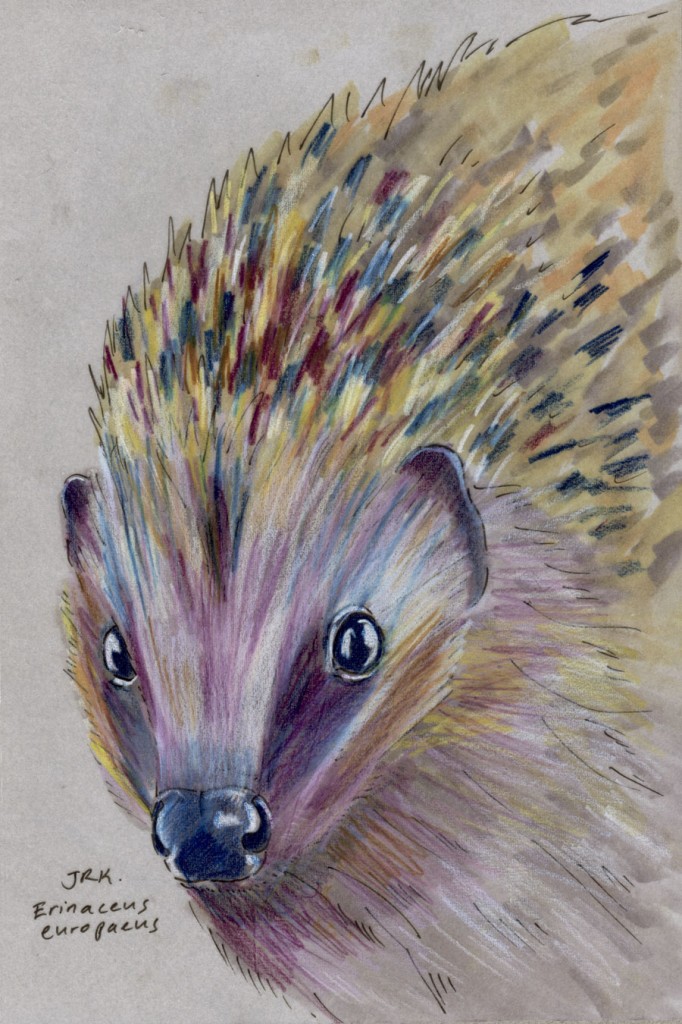
Read more Facebook Friends: United Kingdom: European Hedgehog (Erinaceus europaeus) Sep 17, 2013 by JR Kinyak Number 0450 In appreciation of the 143 people who like the... Read more
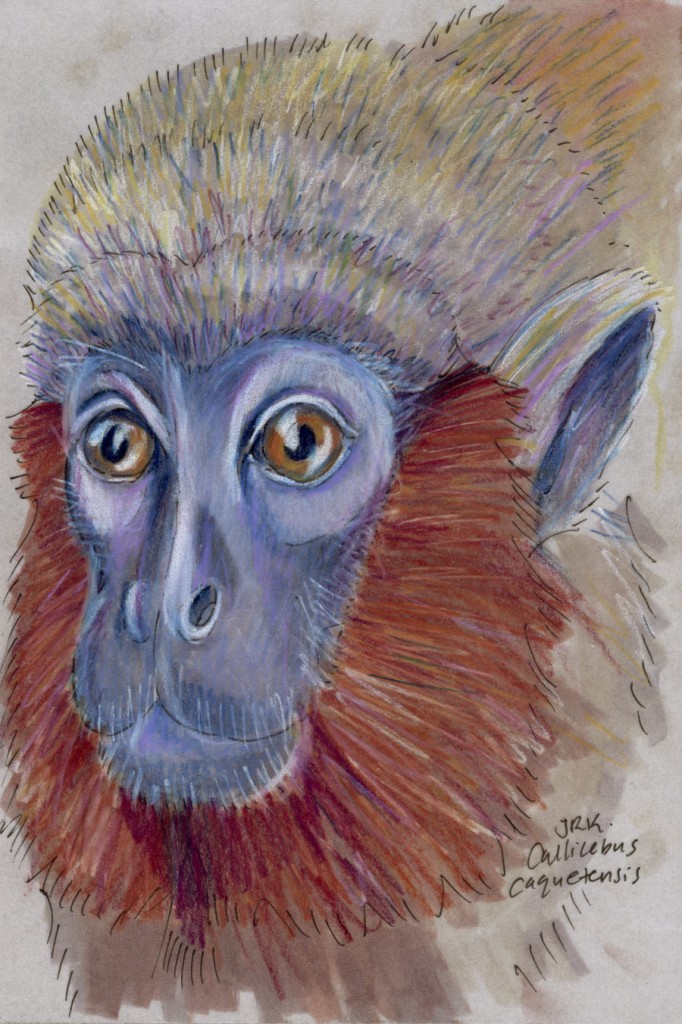
Read more Facebook Friends: Colombia: Caquetá Titi Monkey (Callicebus caquetensis) Sep 5, 2013 by JR Kinyak Number 0449 Here, representing the country of Colombia, where... Read more
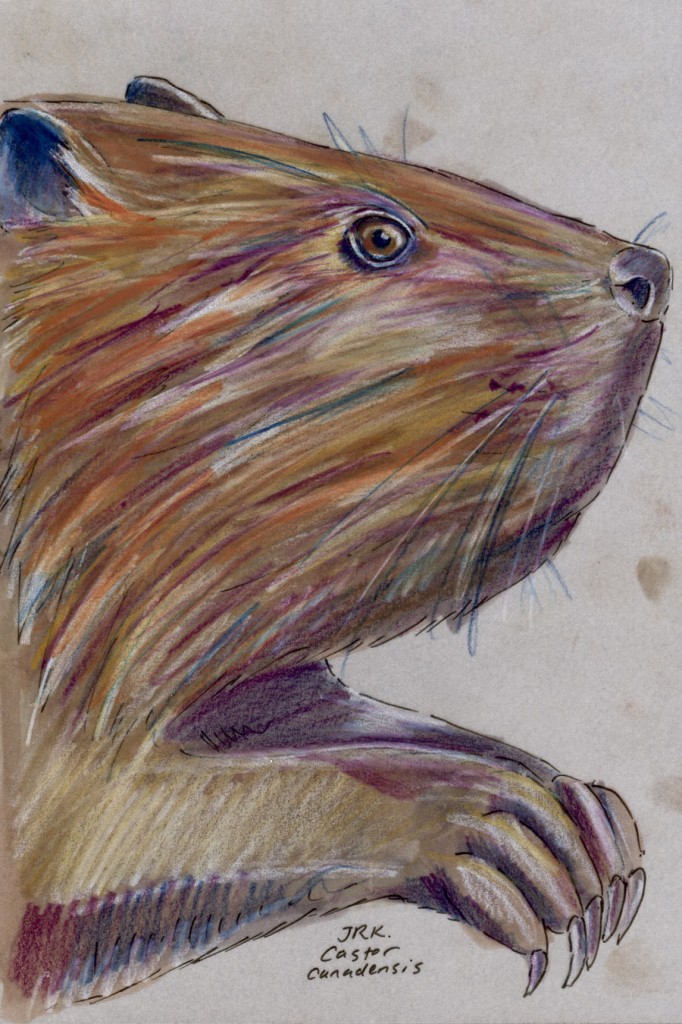
Read more Facebook Friends: Canada: Canadian Beaver (Castor canadensis) Aug 26, 2013 by JR Kinyak Number 0448 Today let’s continue visiting mammals that... Read more
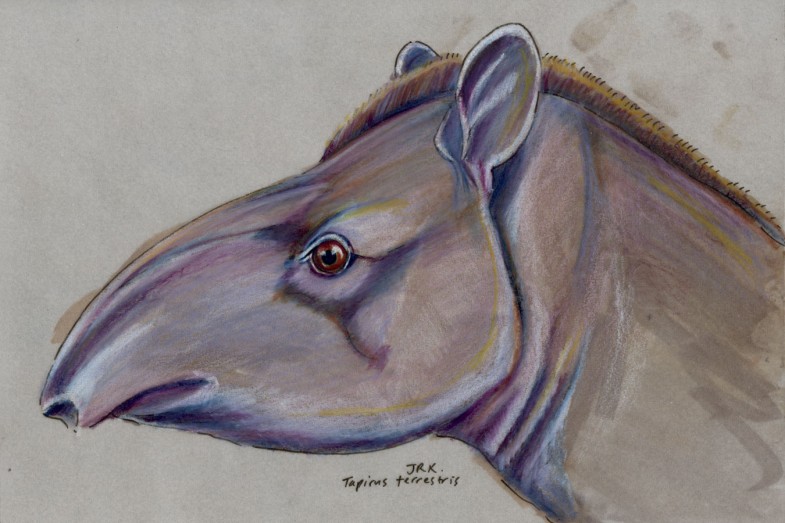
Read more Facebook Friends: Brazil: Brazilian Tapir (Tapirus terrestris) Aug 20, 2013 by JR Kinyak Number 0447 I’m back from my perfect vacation to San... Read more
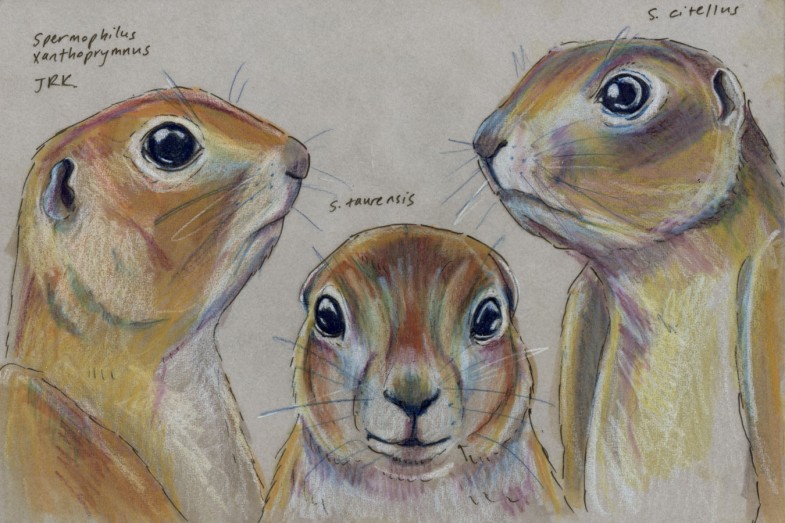
Read more Facebook Friends: Turkey: Trio of Ground Squirrels (Spermophilus spp.) Aug 9, 2013 by JR Kinyak Numbers 0444, 0445, and 0446 To thank the more than 100 people... Read more
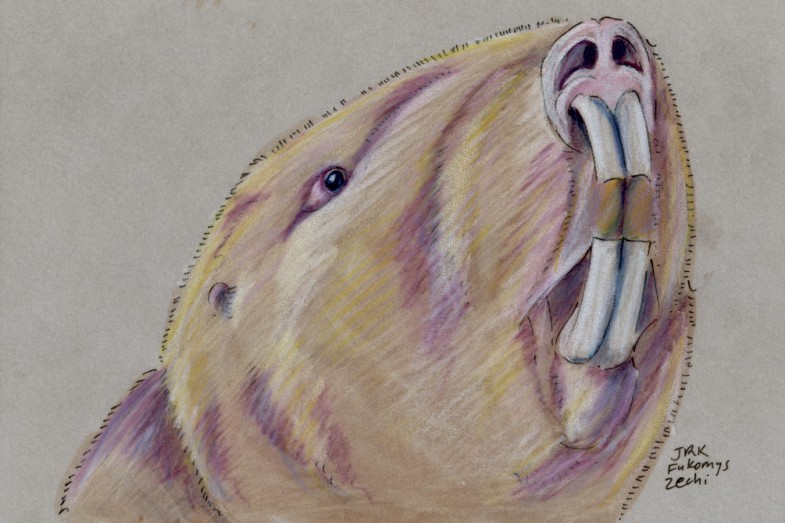
Read more Facebook Friends: Ghana: Ghana Mole Rat (Fukomys zechi) Aug 7, 2013 by JR Kinyak Number 0443 Let’s continue our look at the mammalian... Read more
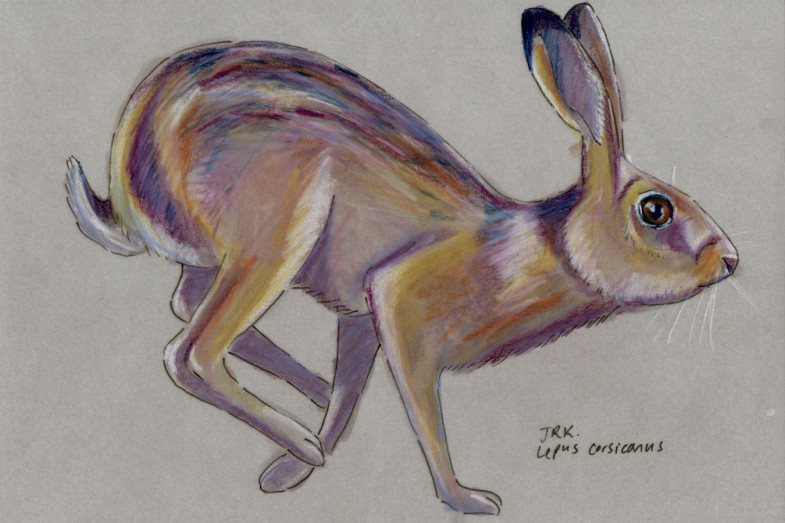
Read more Facebook Friends: Italy: Corsican Hare (Lepus corsicanus) Aug 4, 2013 by JR Kinyak Number 0442 I’m delighted that more than 100 people... Read more
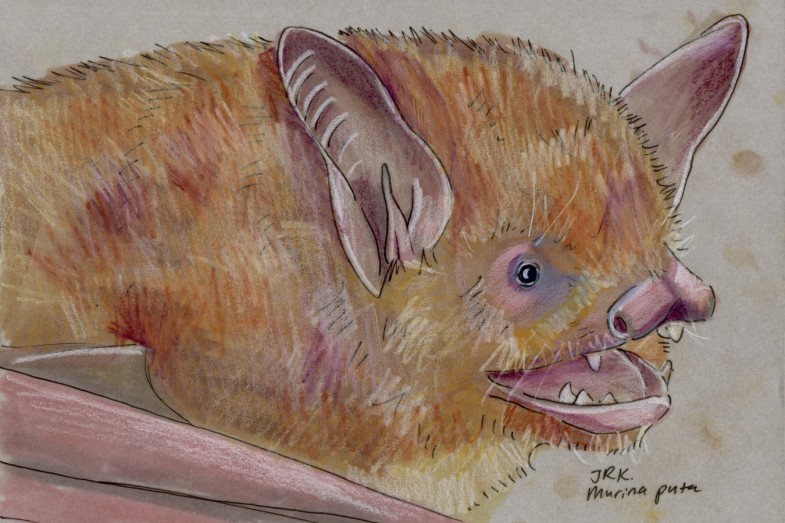
Read more Facebook Friends: Taiwan: Taiwan Tube-nosed Bat (Murina puta) Aug 2, 2013 by JR Kinyak Number 0441 Because I’m happy that the Daily Mammal... Read more
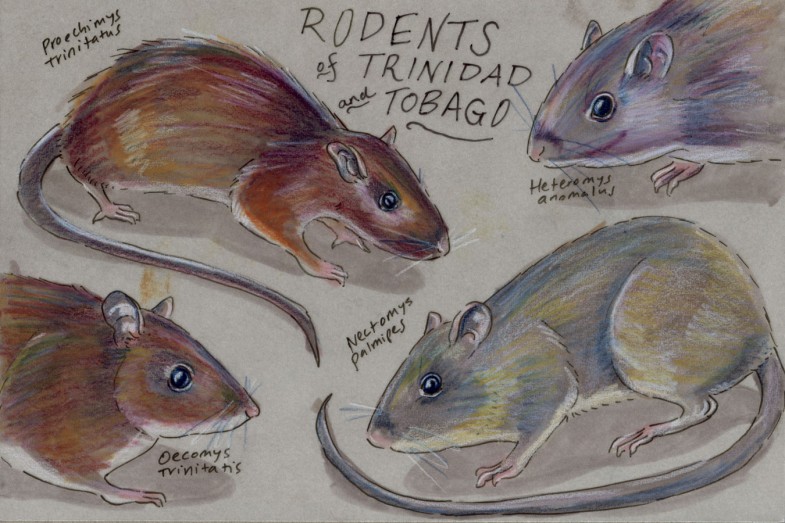
Read more Facebook Friends: Trinidad and Tobago: Quartet of Trinbagonian Rodents Aug 1, 2013 by JR Kinyak Numbers 0437, 0438, 0439, and 0440 In honor of the more than... Read more
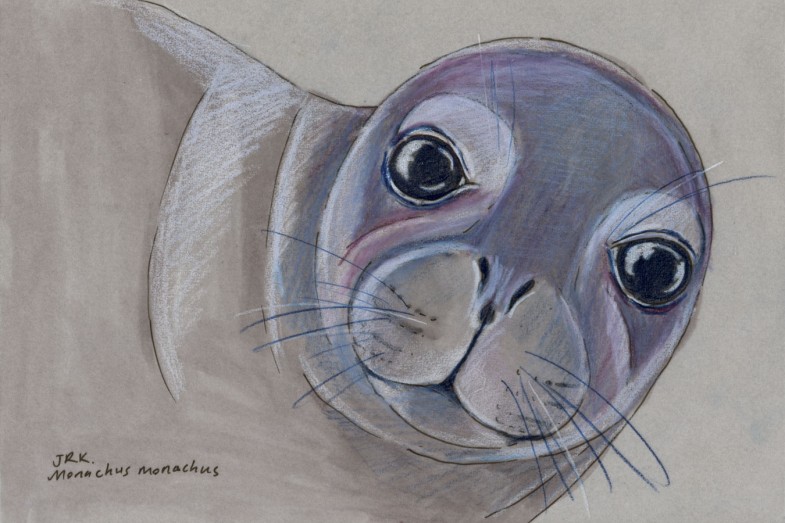
Read more Facebook Friends: Greece: Mediterranean Monk Seal (Monachus monachus) Jul 30, 2013 by JR Kinyak Number 0436 To celebrate the Daily Mammal Facebook page... Read more
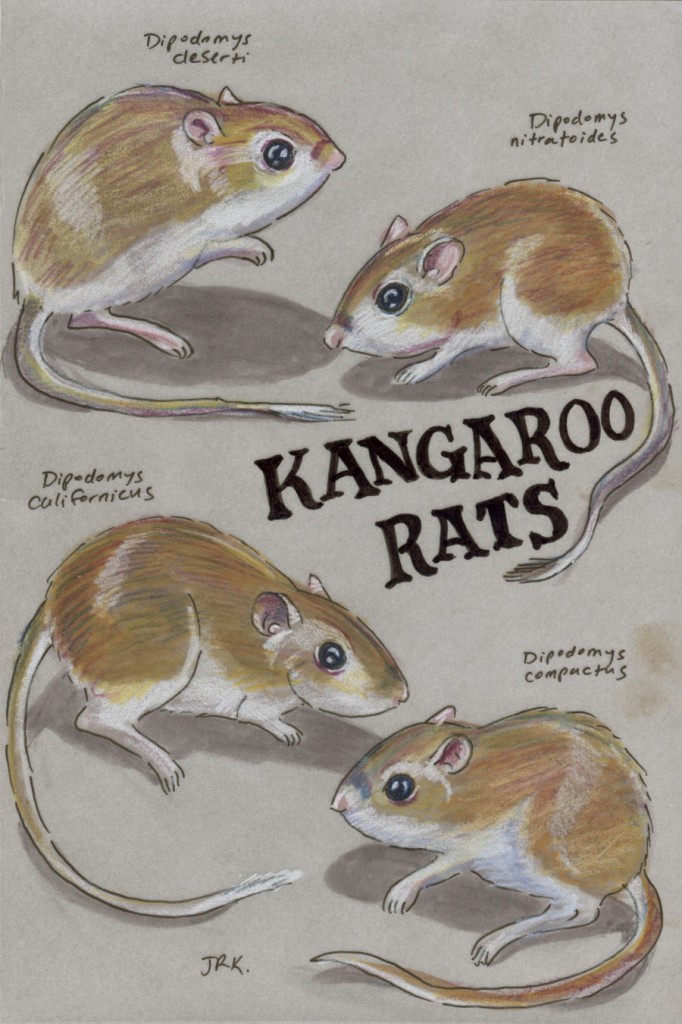
Read more Facebook Friends: United States: Quartet of Kangaroo Rats (Dipodomys spp.) Jul 29, 2013 by JR Kinyak Numbers 0432, 0433, 0434, and 0435 Last week, the Daily Mammal... Read more
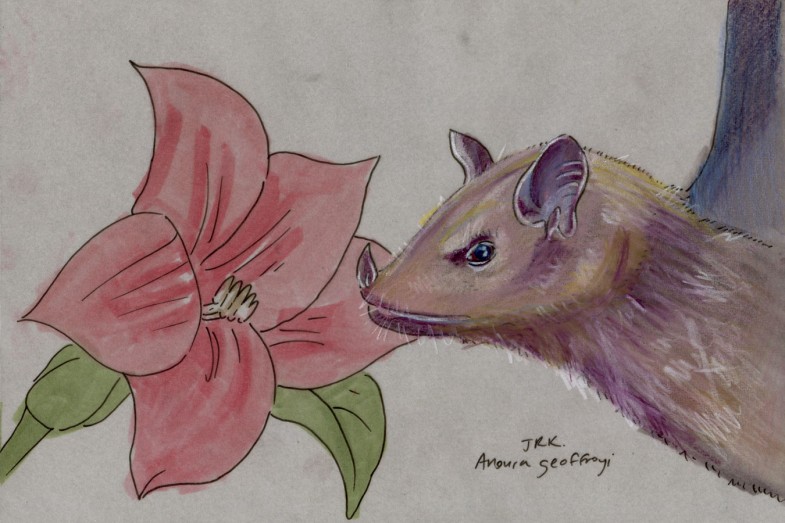
Read more Geoffroy Week: Geoffroy’s Tailless Bat (Anoura geoffroyi) Jul 28, 2013 by JR Kinyak Number 0431 We’ve been getting an unusual amount of rain... Read more
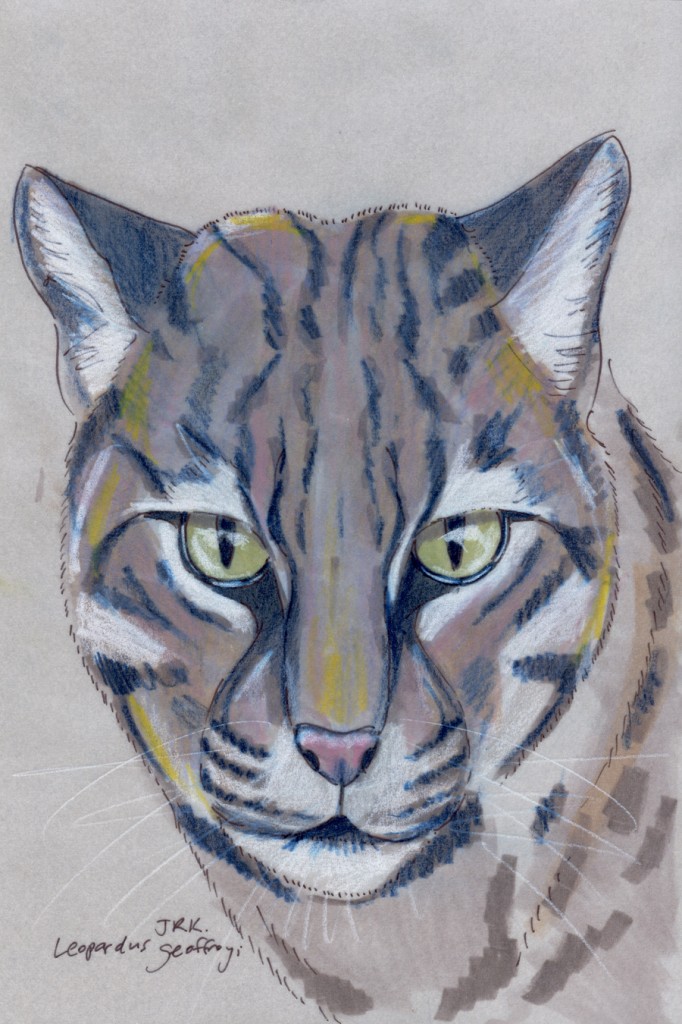
Read more Geoffroy Week: Geoffroy’s Cat (Leopardus geoffroyi) Jul 26, 2013 by JR Kinyak Number 0430 Here is the penultimate representative of Geoffroy... Read more
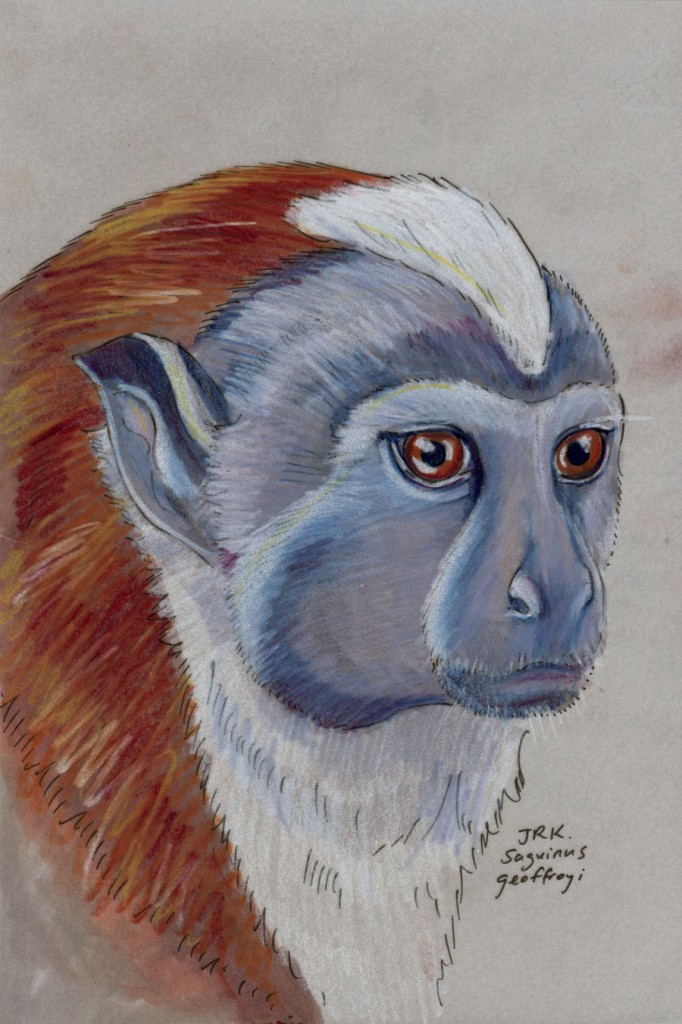
Read more Geoffroy Week: Rufous-naped Tamarin (Saguinus geoffroyi) Jul 25, 2013 by JR Kinyak Number 0429 In 1798, Napoleon invaded Egypt in a bid to... Read more
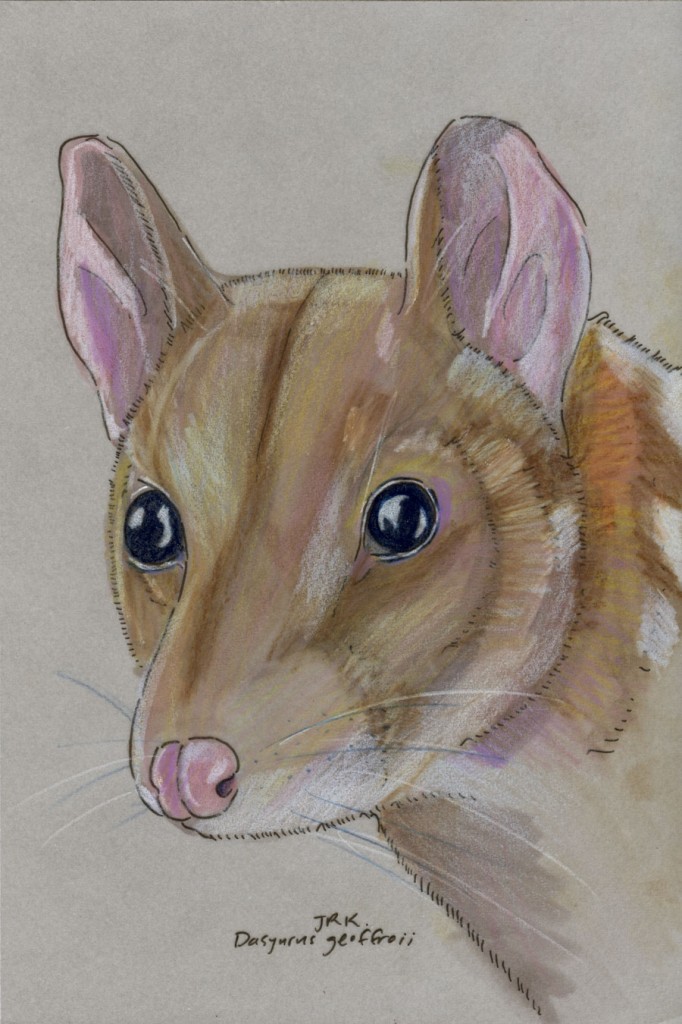
Read more Geoffroy Week: Chuditch (Dasyurus geoffroii) Jul 24, 2013 by JR Kinyak Number 0428 Geoffroy Week continues at the Daily Mammal.... Read more
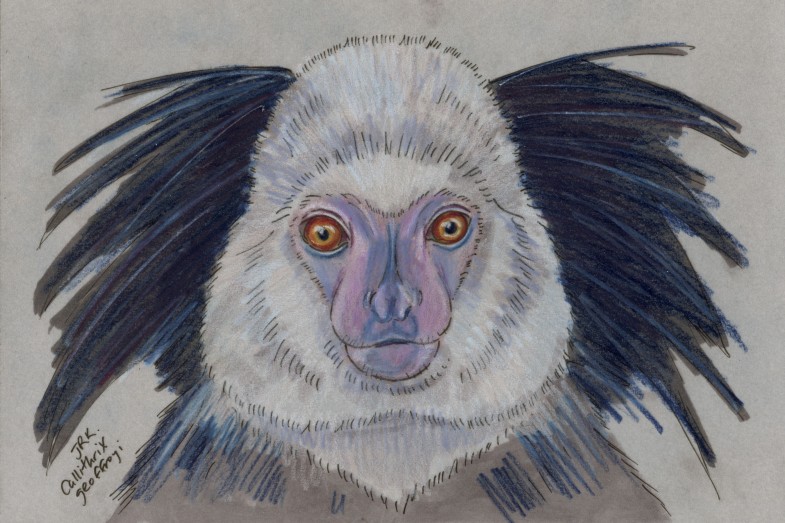
Read more Geoffroy Week: Geoffroy’s Marmoset (Callithrix geoffroyi) Jul 23, 2013 by JR Kinyak Number 0427 I’m unhappy with this marmoset drawing. The... Read more
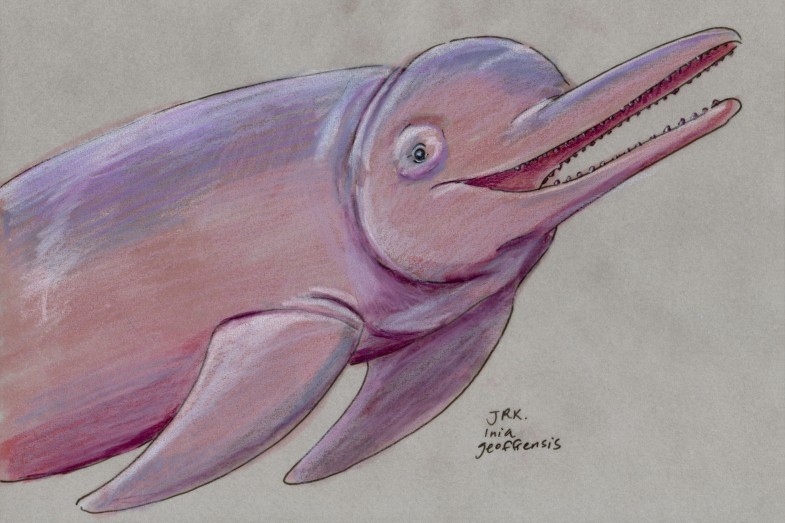
Read more Geoffroy Week: Boto (Inia geoffrensis) Jul 22, 2013 by JR Kinyak Number 0426 The boto, or Amazon river dolphin, was described... Read more
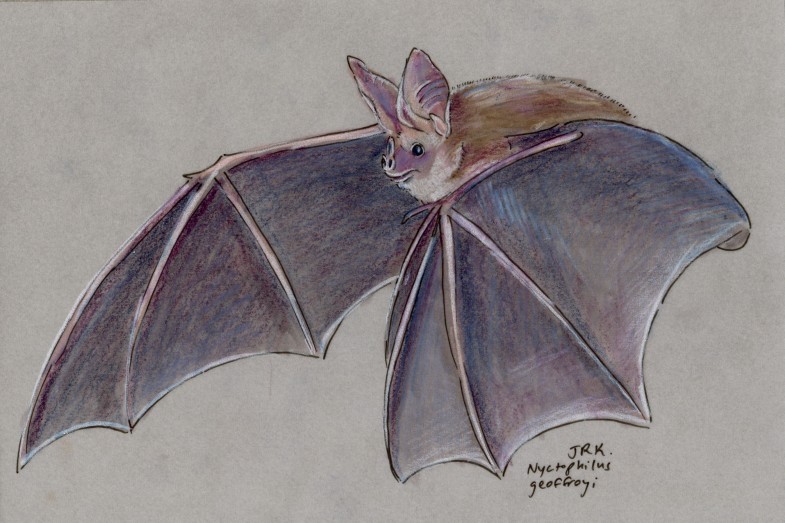
Read more Geoffroy Week: Lesser Long-Eared Bat (Nyctophilus geoffroyi) Jul 21, 2013 by JR Kinyak Number 0425 Étienne Geoffroy Saint-Hilaire became the Chair of... Read more
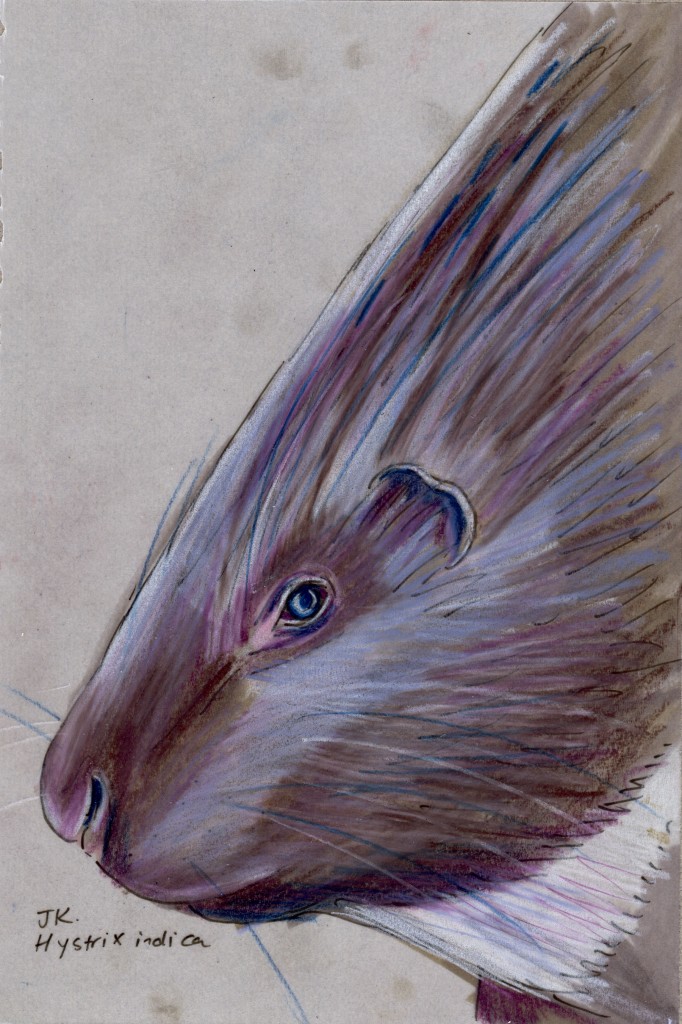
Read more Random Week: Indian Crested Porcupine (Hystrix indica) Aug 20, 2012 by JR Kinyak Number 0419 Before our brief Olympic interlude, I was enjoying... Read more
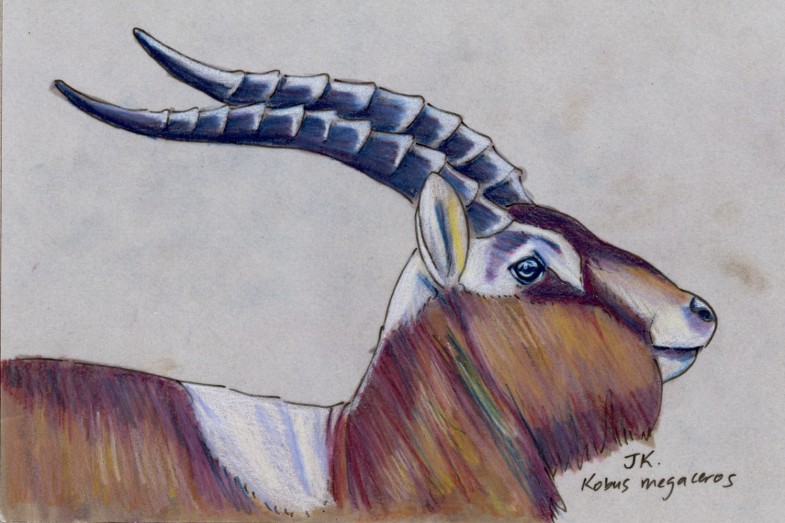
Read more Mammal Olympiad: Fencing: Mrs. Gray’s Lechwe (Kobus megaceros) Aug 6, 2012 by JR Kinyak Number 0418 Today’s Mammalympian is a fencer. Well, sort... Read more
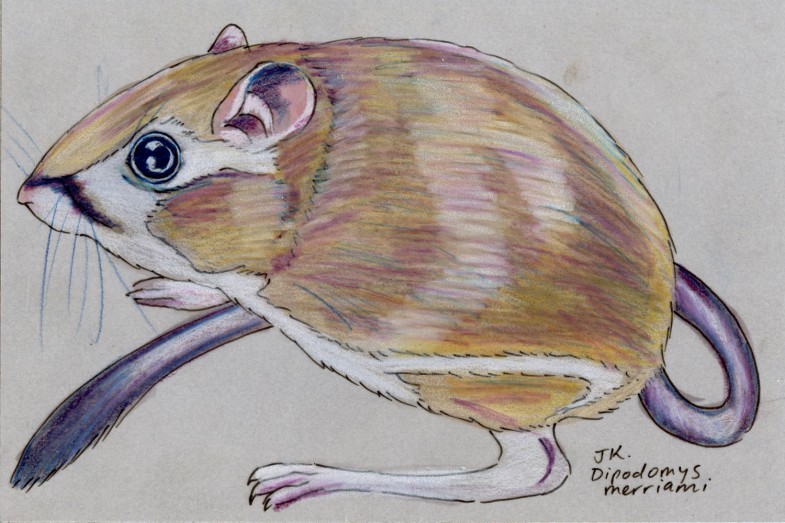
Read more Mammal Olympiad: Long Jump: Merriam’s Kangaroo Rat (Dipodomys merriami) Aug 2, 2012 by JR Kinyak Number 0417 As the humans compete in the London Olympics, the... Read more
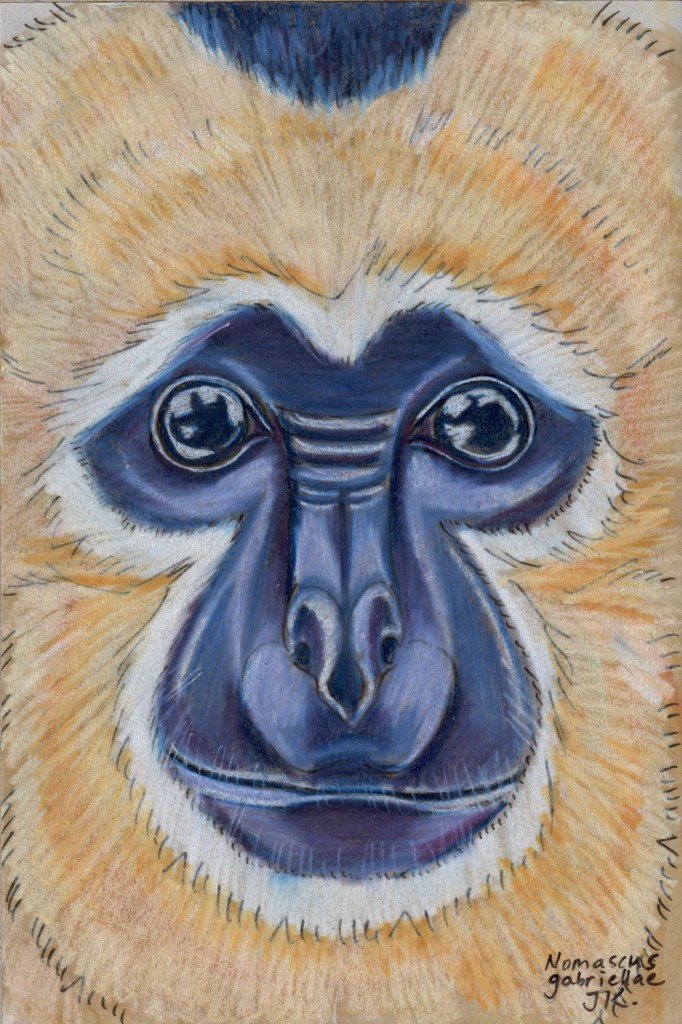
Read more Mammal Olympiad: Gymnastics: Buff-cheeked Gibbon (Nomascus gabriellae) Aug 1, 2012 by JR Kinyak Number 0416 While the human Olympics continue in London, the... Read more
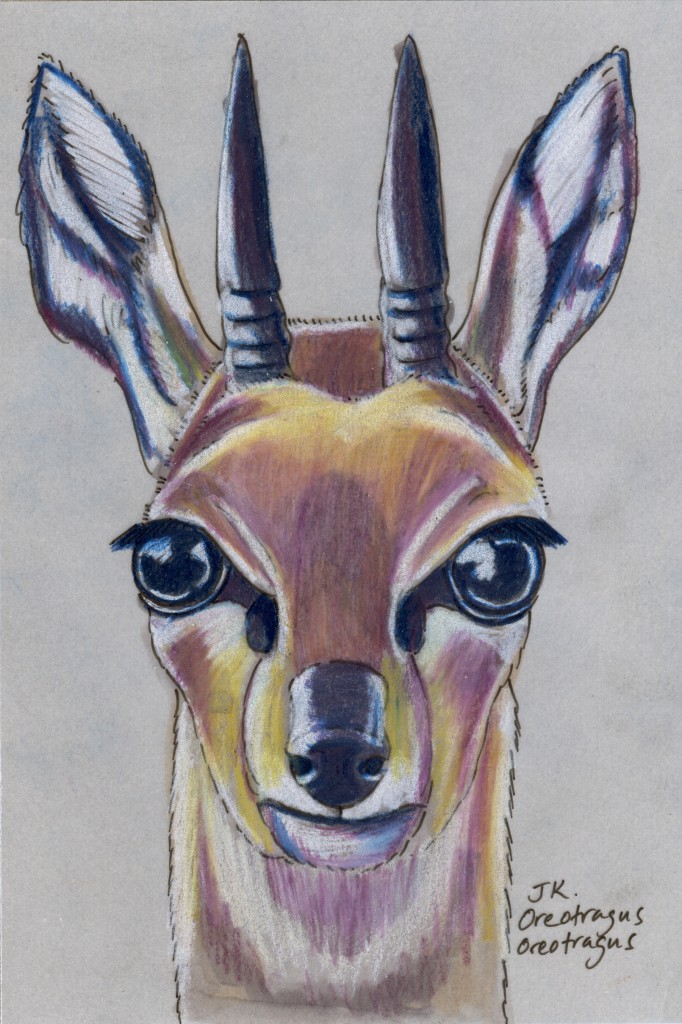
Read more Mammal Olympiad: High Jump: Klipspringer (Oreotragus oreotragus) Jul 30, 2012 by JR Kinyak The Mammal Olympiad continues! We’re looking at the best... Read more
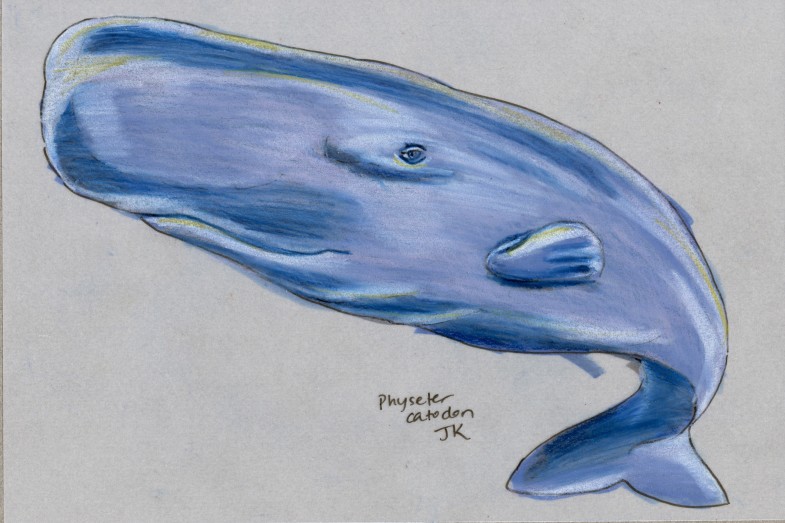
Read more Mammal Olympiad: Diving: Sperm Whale (Physeter catodon) Jul 28, 2012 by JR Kinyak Number 0415 Good evening, mammals, and welcome back to the... Read more
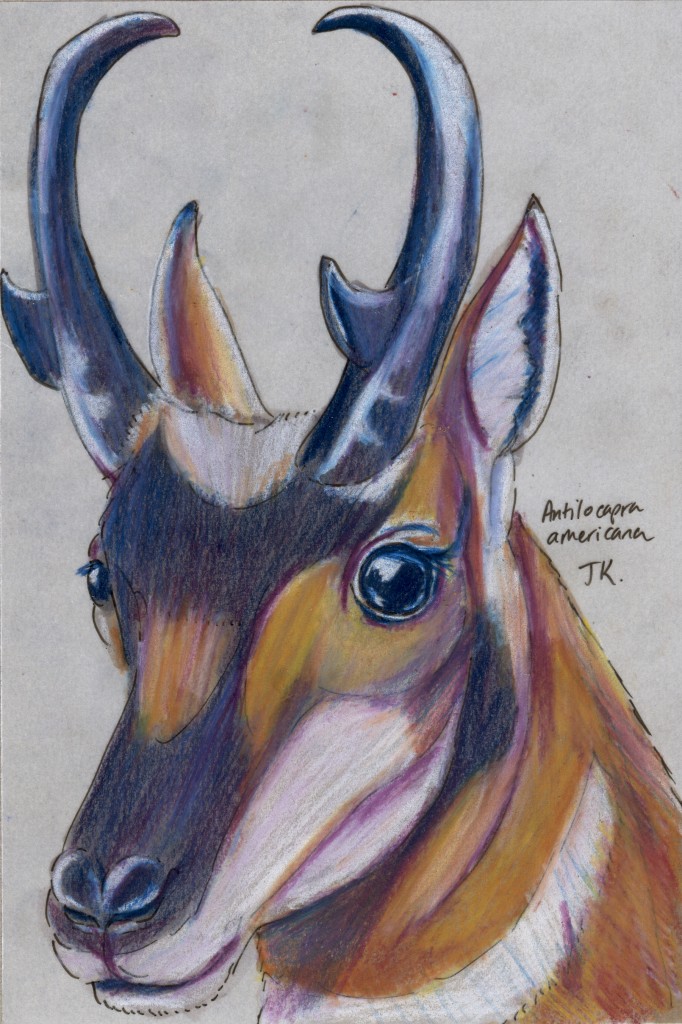
Read more Mammal Olympiad: Marathon: Pronghorn (Antilocapra americana) Jul 27, 2012 by JR Kinyak The human Olympics start tonight on NBC, and the mammal... Read more
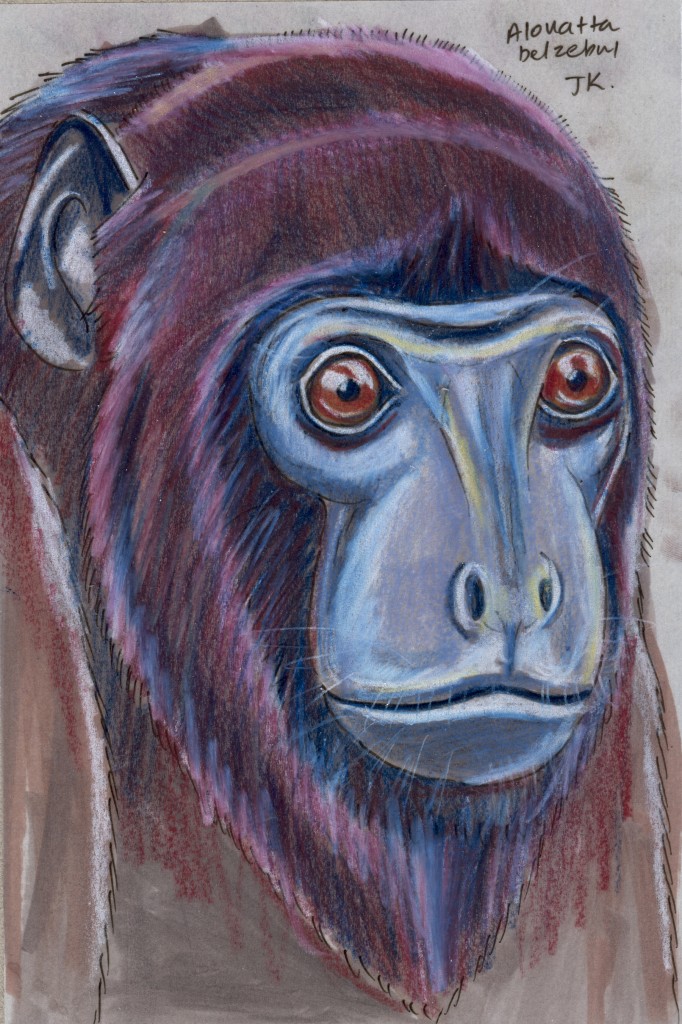
Read more Random Week: Red-handed Howler Monkey (Alouatta belzebul) Jul 26, 2012 by JR Kinyak Number 0414 Here’s our last randomly picked mammal for... Read more
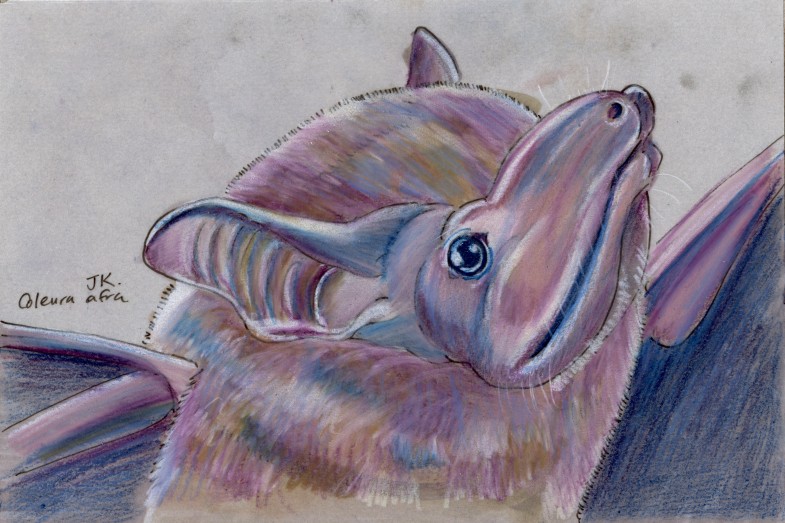
Read more Random Week: African Sheath-tailed Bat (Coleura afra) Jul 25, 2012 by JR Kinyak Number 0413 Here is a bat, randomly chosen by random.org from... Read more
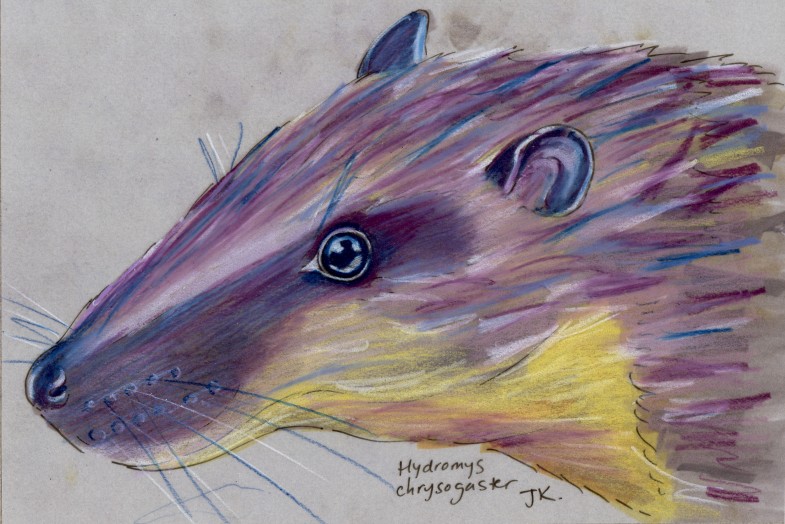
Read more Random Week: Rakali (Hydromys chrysogaster) Jul 25, 2012 by JR Kinyak Number 0412 Today’s lottery winner, picked by random.org,... Read more