From the category archives:

Primates

click image to enlarge

0222

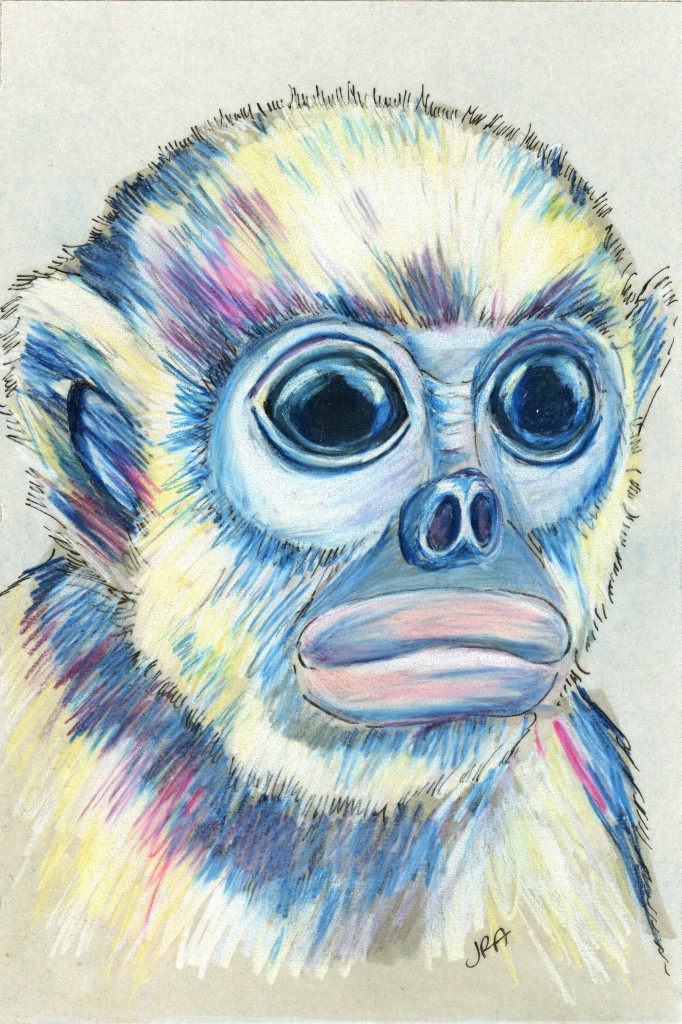
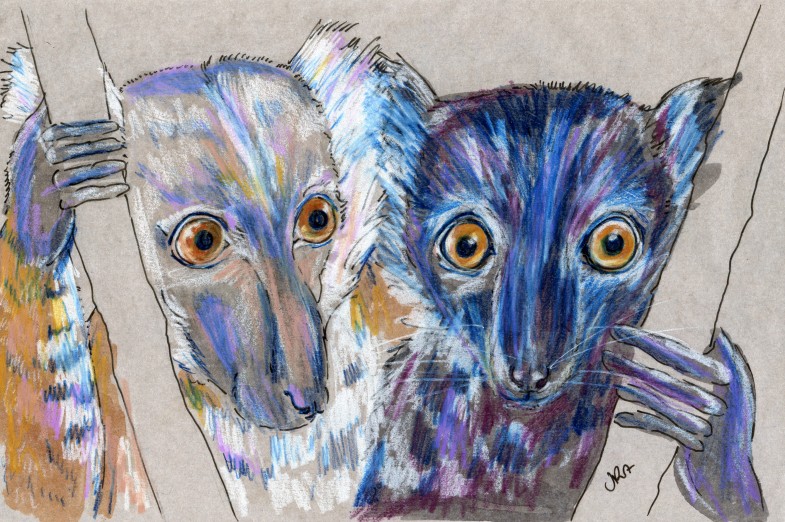
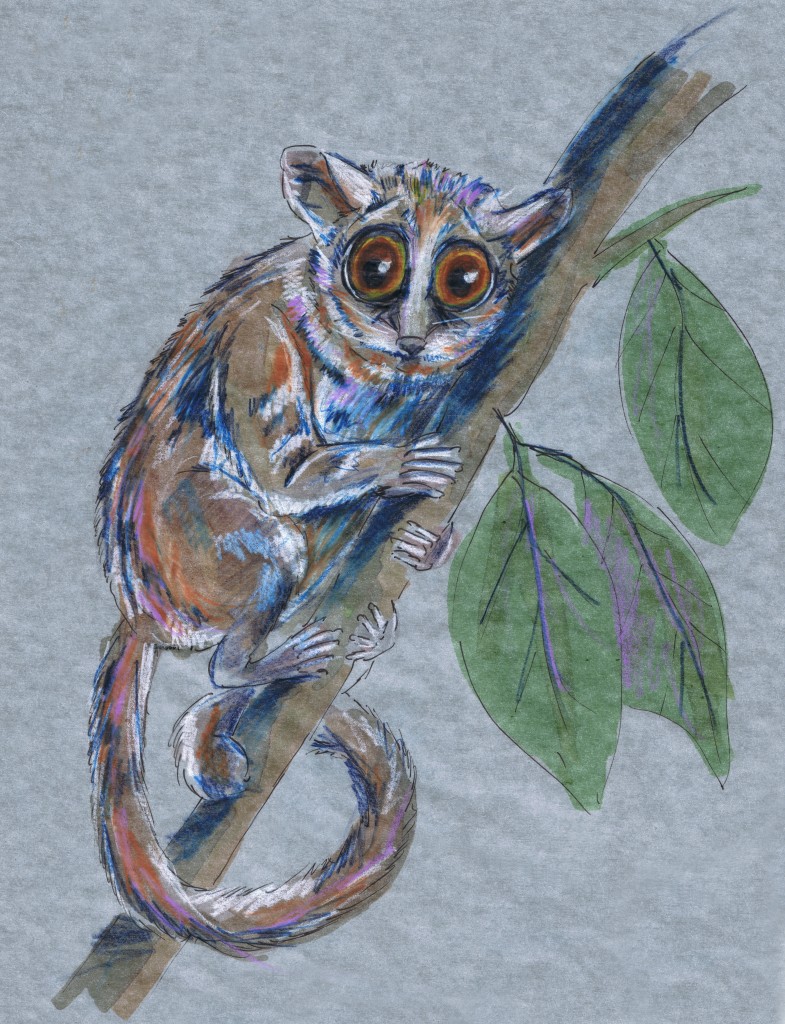
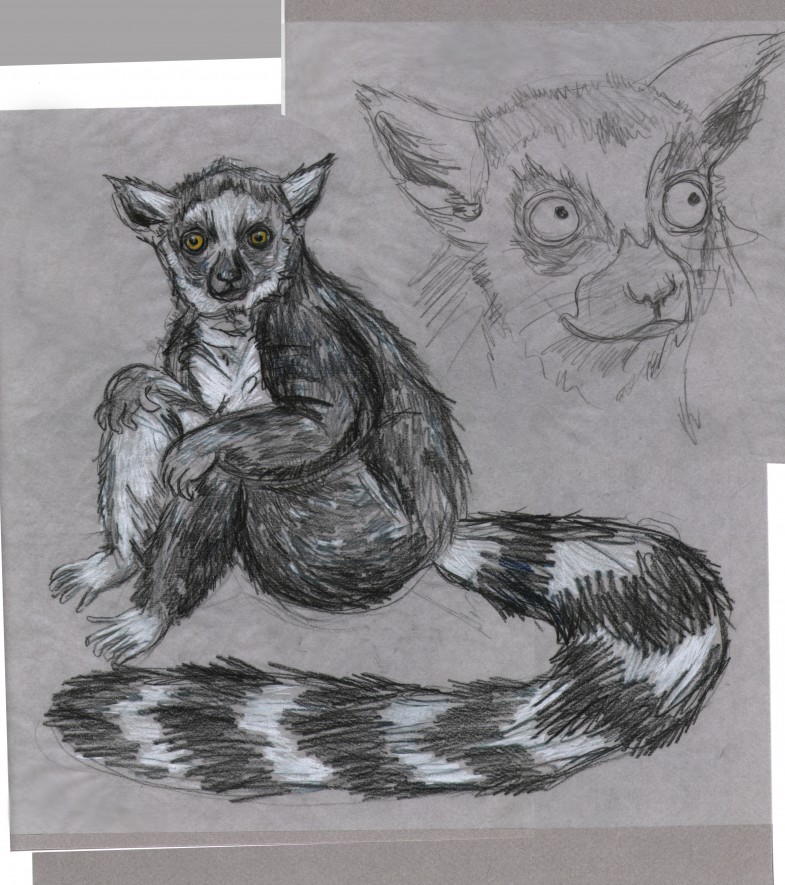
Well, I originally picked this lemur for Hibernators Week because I was under the impression that it was an estivator (see Sunday’s post if you’re wondering what I’m talking about). My beloved but flawed Ivan T. Sanderson told me that, as did Animal Diversity Web. But from what I can tell, that’s not necessarily correct. These Malagasy lemurs go into torpor between March and November…which is winter in the southern hemisphere. It’s rather hemisphericentric of us to call that estivation, isn’t it? Estivation can also refer to torpor during a hot or dry season, so maybe it’s not technically wrong, but it certainly is etymologically. So instead of an estivator, here’s a torpid primate for you.

But the fact that the fat-tailed dwarf lemur is a torpid primate is extraordinary enough, it turns out. This guy is one of only two primate species that enter into seasonal torpid periods, and our friend here is the only primate that is torpid for such a long period. And that fat tail of his? It’s literally a fat tail, where the fat-tailed dwarf lemur stores the fat reserves that get it through its torpid season. And it gets really fat, more so than I showed here.

These lemurs feast on fruit, flowers, nectar, pollen, and the occasional insect or two. They may be responsible for pollinating some of the plants in their Malagasy home, and the fact that they mark the branches they’re traveling on with their feces helps create a fecund (I just looked it up, and feces and fecund do not come from the same root at all—weird, huh?) environment for parasite plants to grow on the trees. During Madagascar’s wet season, fat-tailed dwarf lemurs spend their nights eating up to get those tails nice and plump while they can. When it gets dry, they curl up in little balls and drift off into torpidity.

A word about Madagascar. I’m sorry to say that the country is in turmoil right now, and demonstrations have killed about a hundred people in the past few weeks. Today, the president of Madagascar fired the mayor of the nation’s capital, Antananarivo, after the mayor announced that he was now going to be in charge of the country. It’s all pretty awful and unfortunate. Madagascar is one of the most special and important places on earth, biologically, and is plagued by poverty, deforestation, and violent political upheaval. I wish all the Malagasy people and animals well right now. Here is a New York Times article from today about the situation.

And now a quick word about lemurs. You might like to watch this short video of the director of Duke University’s Lemur Center talking about why she thinks it’s irresponsible of scientists to keep “discovering” new lemur species, a state of affairs that obviously has an effect on the Daily Mammal. I regret that I didn’t get the chance to go to the Lemur Center when I had occasion to travel to North Carolina, and I hope I will get to visit someday. Of course, I also long to visit Madagascar.

{ 1 comment }

Mandrill (Mandrillus sphinx)

by J.R. Atkins on January 29, 2009

in Primates

click image to enlarge

0217

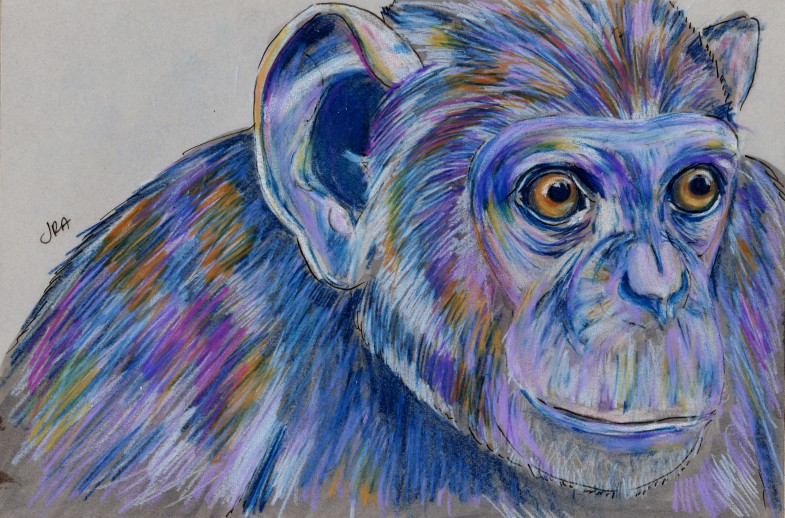
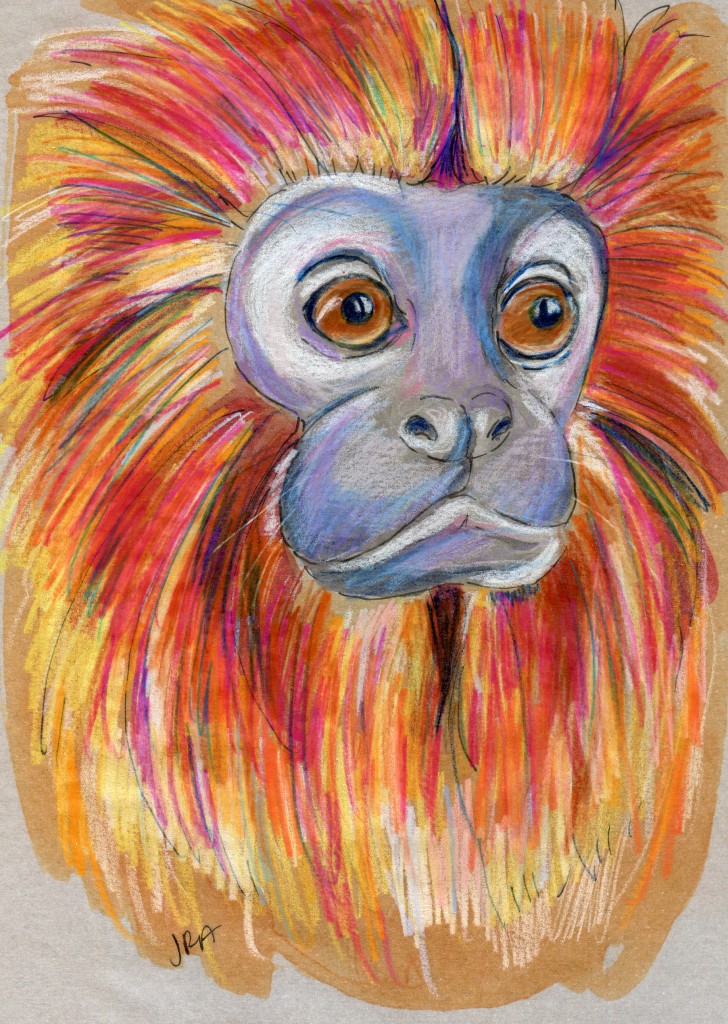
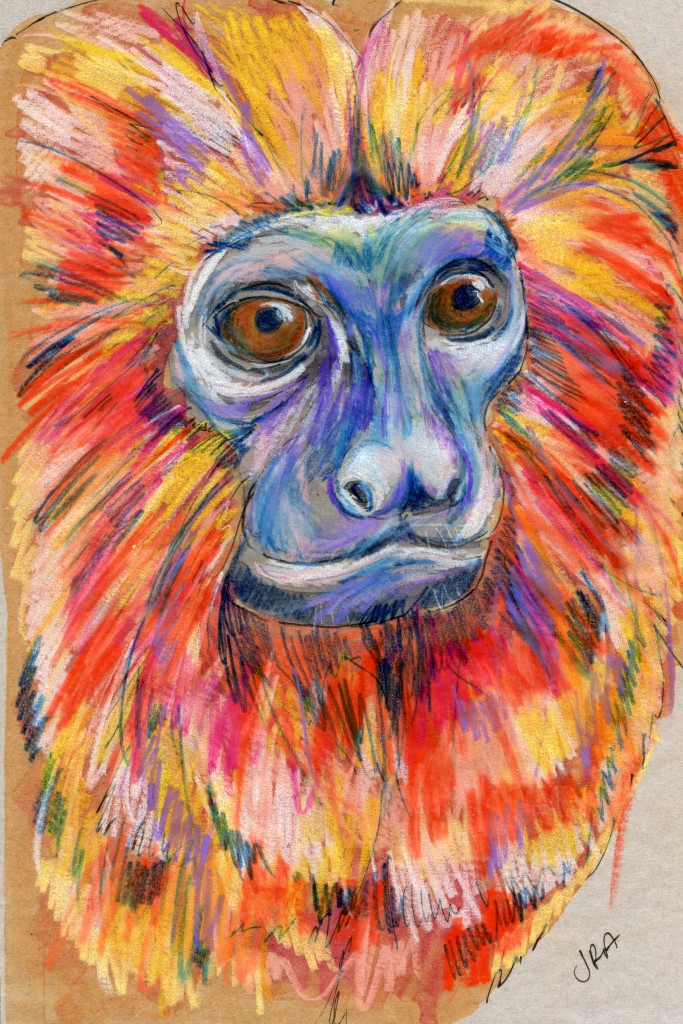
Mandrills! The vividly beautiful faces of the males fill me with the same kind of heart-aching longing that I get when looking at pictures of the Paris couture shows. Just perfectly, unreasonably, untouchably beautiful.

In fact mandrills are the most colorful of mammals (sigh…it’s all drab from here, folks). They’re also the biggest of the monkeys. They live in the African countries of Cameroon, Equatorial Guinea, Gabon, and Congo, in groups that may number up to 800 individuals.

Here is a very good New York Times article by Natalie Angier (I love her) called “In Mandrill Society, Life is a Girl Thing.” (Weird title, but I promise it’s a good article. Also, page 4 has only one sentence, so don’t be too daunted.)

{ 1 comment }

Proboscis Monkey (Nasalis larvatus)

by J.R. Atkins on January 9, 2009

in Primates

click image to enlarge

0201

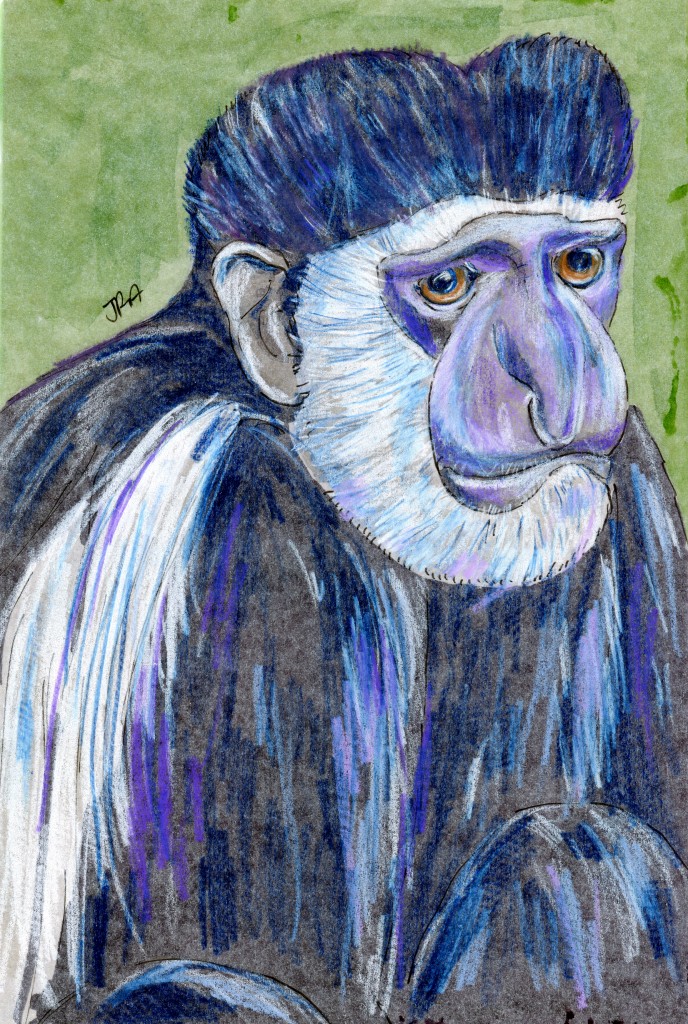
Well, here’s a good opposites-attract companion for yesterday’s tiny-nosed Tonkin snub: the proboscis monkey, which lives only in Borneo. You will have noticed his floppy nose (and it’s only the males who have such gigantic honkers), but you probably don’t want to stare. It’s okay: I bet this monkey feels about his schnozz the same way Edmond Rostand’s Cyrano felt about his: “…[B]e it known to you that I am proud, proud of such an appendage! inasmuch as a great nose is properly the index of an affable, kindly, courteous [mammal], witty, liberal, brave, such as I am!”

The proboscis monkey is not only witty and brave (maybe). It’s also a good swimmer, a skilled diver, and a maker of distinctive sounds variously described as howls, growls, or honks. Sadly, it’s quite endangered, too, thanks to traditional medicine, the bushmeat trade, and habitat destruction: the usual suspects.

I think these monkeys are quite charming with an endearing look to them, but the most common word the 19th- and early 20th-century naturalists used to describe them was “grotesque.” Here are some passages you may enjoy.

From The Naturalist’s Library by William Jardine, 1833:

“This singular monkey is at once distinguished by the extraordinary elongation of the nose, which is nearly four inches in length, and gives a grotesque appearance to the animal, at the same time far from pleasing.”

From The Living World by James William Buel, 1891:

“The Proboscis Monkey…resembles a shrivelled, bowed, long-nosed, little old man or woman, and is sacred in the eyes of the natives. Its noisy outcries, malignant disposition and fondness for irritating mischief, seem to add a fresh illustration to the truth that the uncivilized animal nature is perfectly unfit for the government of self or of others.”

From The Evolution of Man by Ernst Haeckel, 1903:

“…the well-shaped nose of which might well be coveted by men in whom this organ is too short. On comparing the face of this nosed monkey with that of specially ape-like human beings (e.g., the noted Julia Pastrana, Fig. 126), the former will appear a higher form of development than the latter. There are many persons who believe that the ‘image of God’ is unmistakably reflected in their own features. If the Nosed-ape shared in this singular opinion, he would hold it with a better right than some snub-nosed people.”

Finally, an illustration from the first book quoted above, The Naturalist’s Library (1833) by William Jardine. I love this illustration.

{ 4 comments }

Tonkin Snub-nosed Monkey (Rhinopithecus avunculus)

by J.R. Atkins on January 8, 2009

in Primates

click image to enlarge

0200

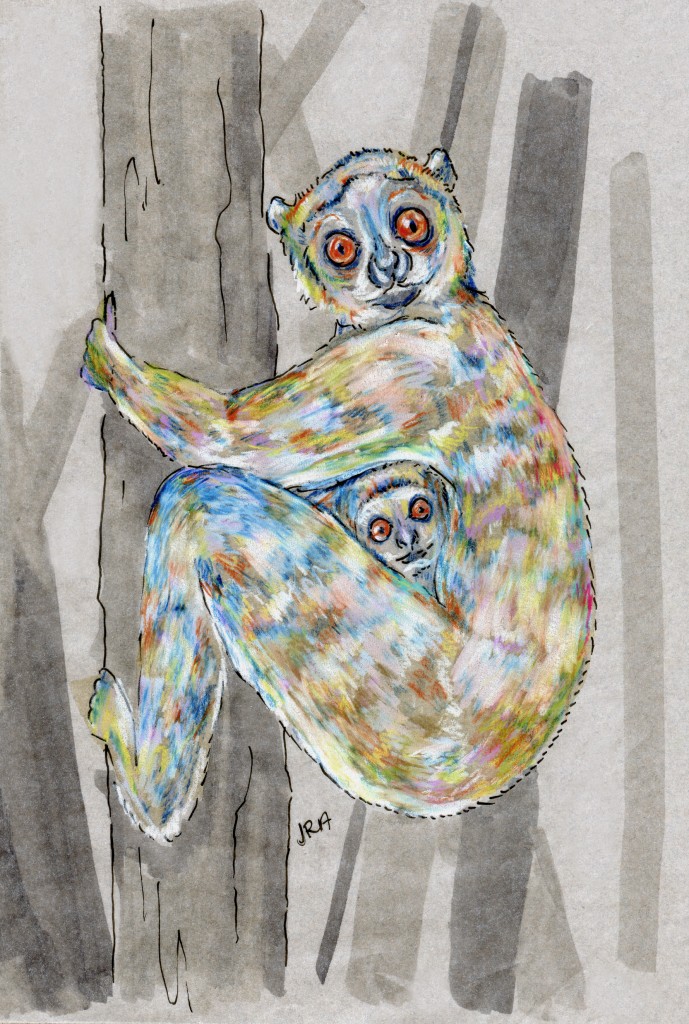
This funny fur-face, whose scientific name translates to nose-ape uncle, is one of the world’s rarest mammals. Only about 200 of them exist. They live in forests in a little bitty section of northeastern Vietnam near the Chinese border, where they eat fruit and bamboo and rush around up in the leaves saying “ga-ga! ga-ga!” There are two reasons we’re down to so few of them: deforestation, especially for the lumber trade and to make room for cardamom farms, and hunting. The Tonkin snub is an unfortunate ingredient in traditional medicines. (At one time, it was thought that the monkey’s pelt could ward off rheumatism.) I’m not sure whether it’s also hunted for bushmeat; some sources say yes, but some say that it doesn’t taste very good and so doesn’t make a very popular dinner.

A small bit of good news came out last month, when Flora & Fauna International announced it had found a previously unknown (to scientists, anyway) population of the little guys. This group of about 20 Tonkin snub-noses was afraid of humans, possibly indicating an earlier run-in with hunters. Locals in the area told of another, maybe larger group, too.

{ 4 comments }

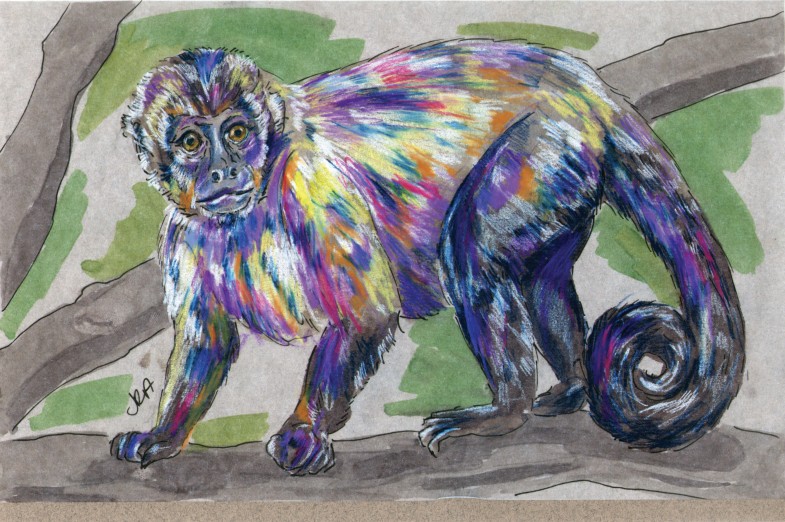
Chinese Stump-tailed Macaque (Macaca thibetana)

by J.R. Atkins on August 13, 2008

in Primates

click image to enlarge

0197

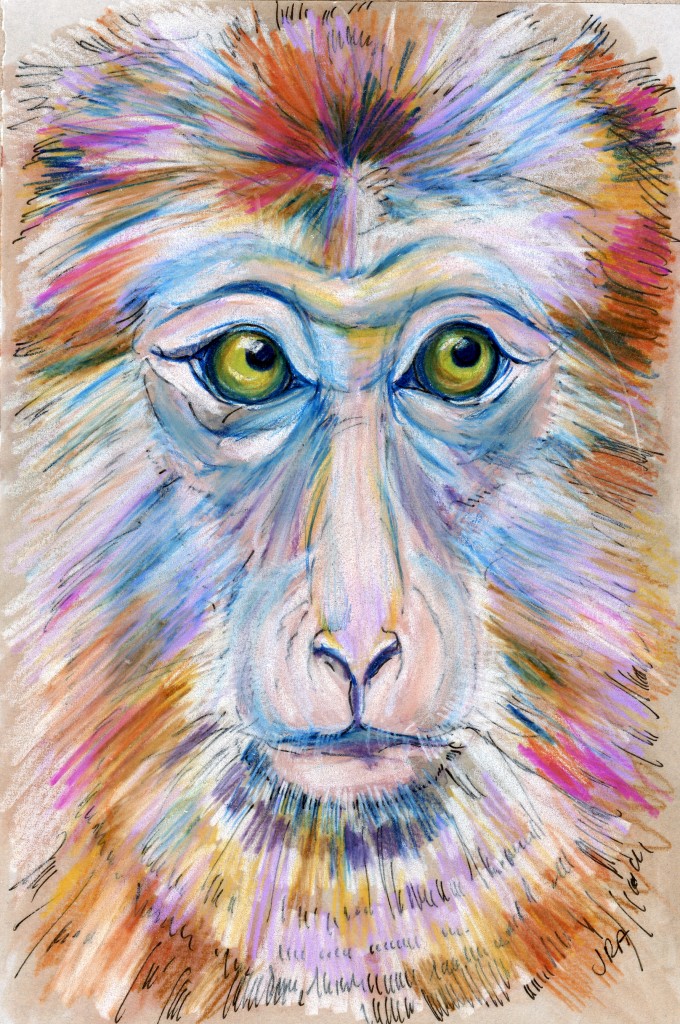
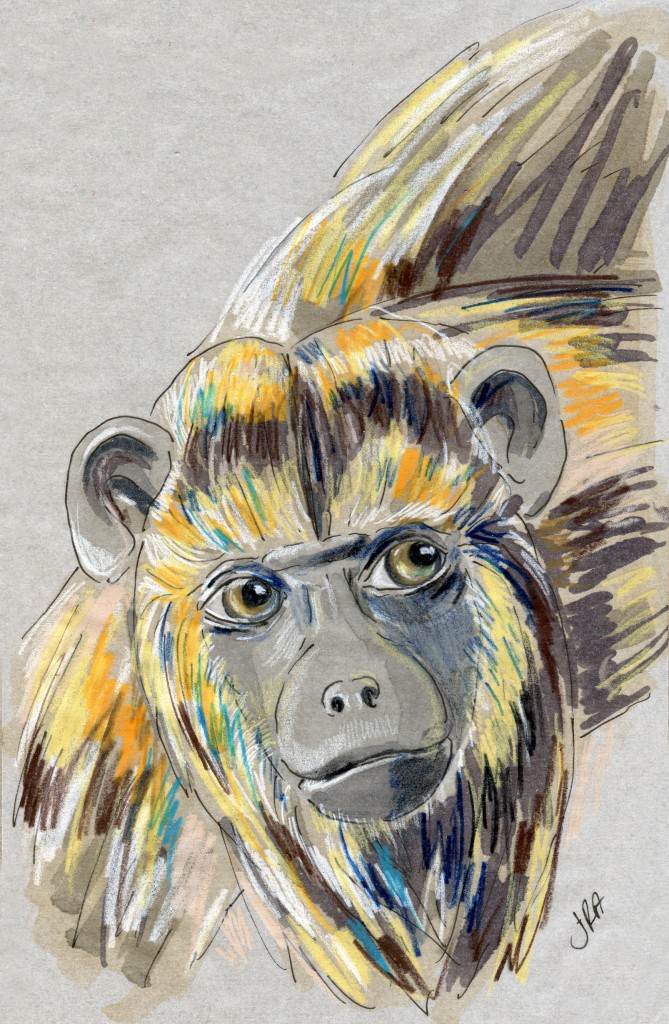
This fuzzy fellow is called the Chinese stump-tailed macaque for reasons that would be obvious if you could see his backside. But he’s also known as the Tibetan macaque and Père David’s macaque. These macaques are frugivorous (they eat fruit) for the most part, but they’ll also eat some insects, leaves, and seeds when the situation warrants.

As for Père David, who inspired one of the Tibetan macaque’s common names, he was a Catholic missionary named Jean Pierre Armand David. He was a clergyman by profession and an all-around naturalist by passion. Père David, who died in 1900, seems to have been one of those now-all-too-rare “Renaissance souls” with a wide range of interests and fields of study. He was, apparently, the person who introduced Europe to the panda (or the panda to Europe), and in addition to zoology, he also studied botany, paleontology, and geology, and he was a beloved science teacher before being shipped off to China.