From the category archives:

Other Orders

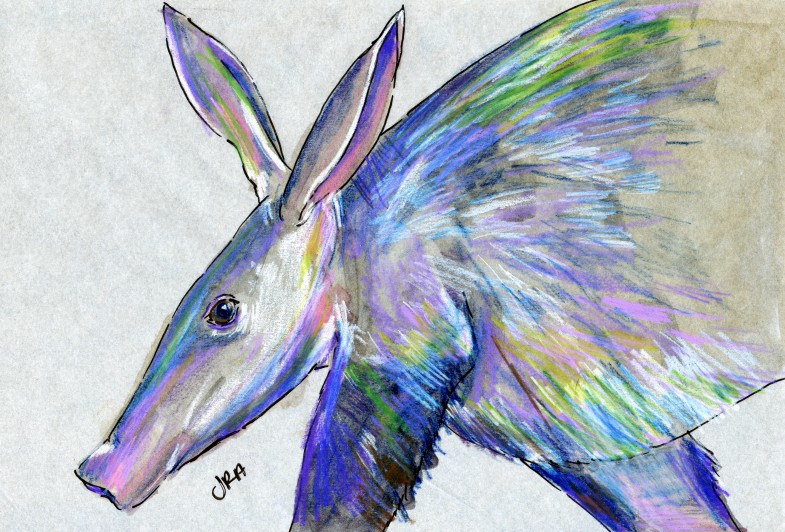
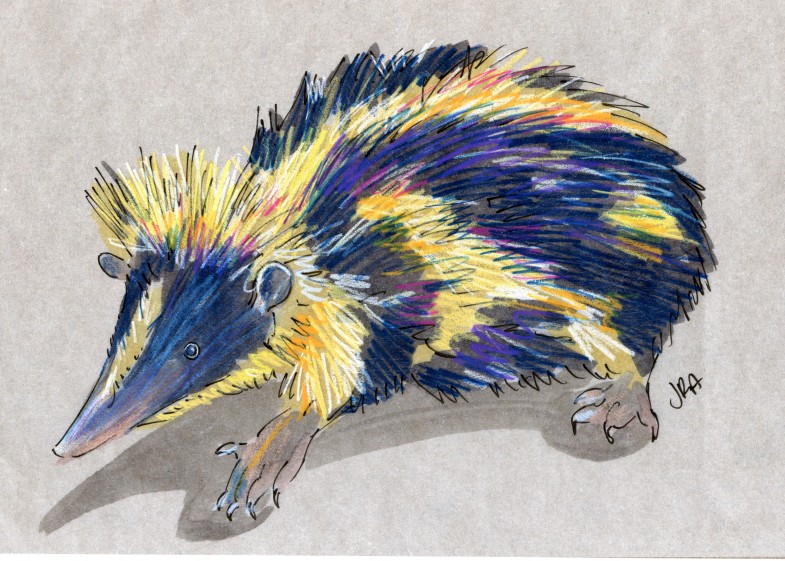
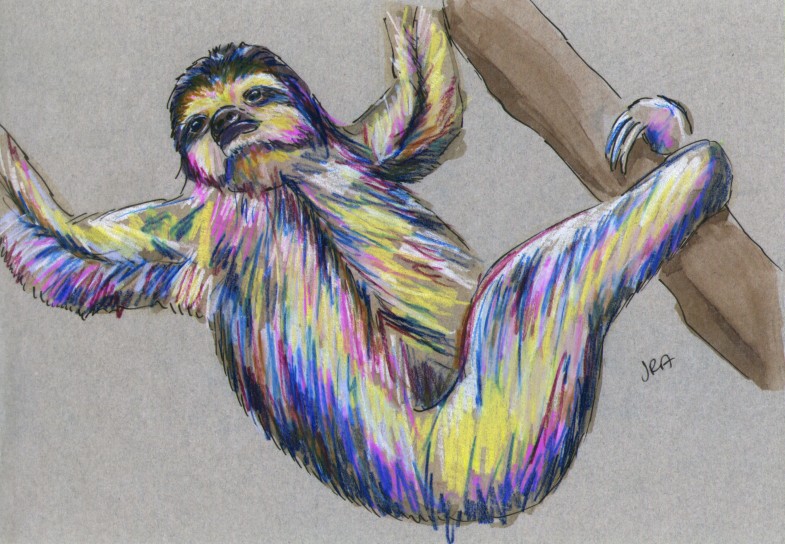
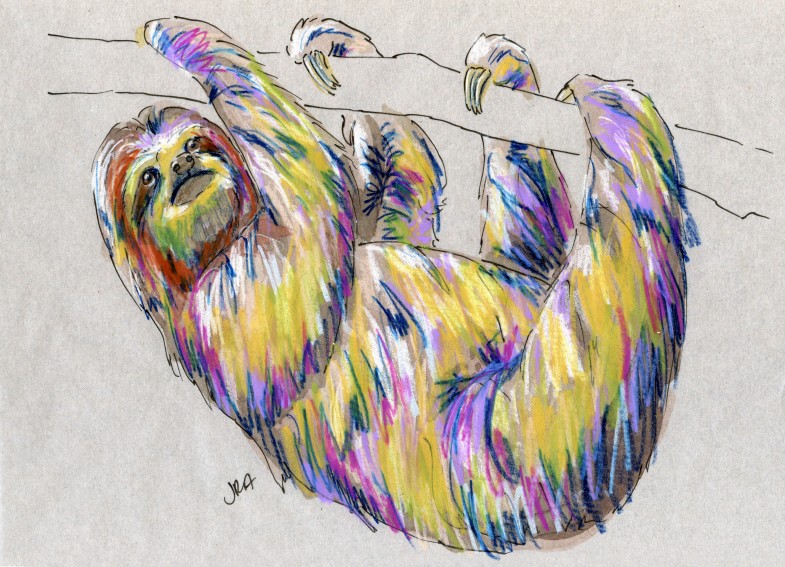
Silky anteater (click image to enlarge)


0338

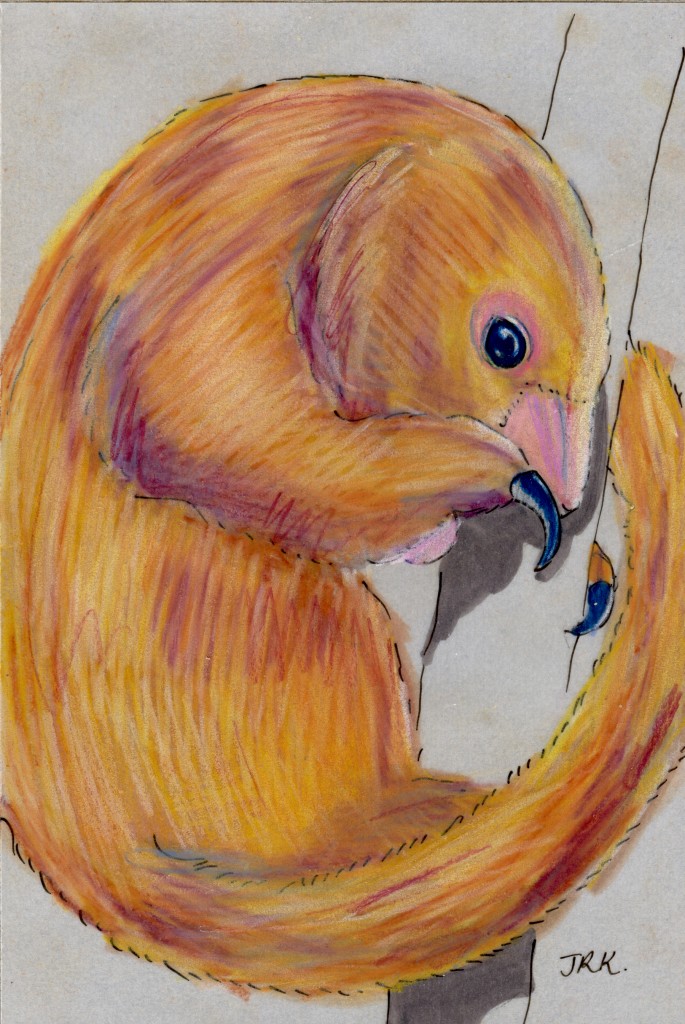
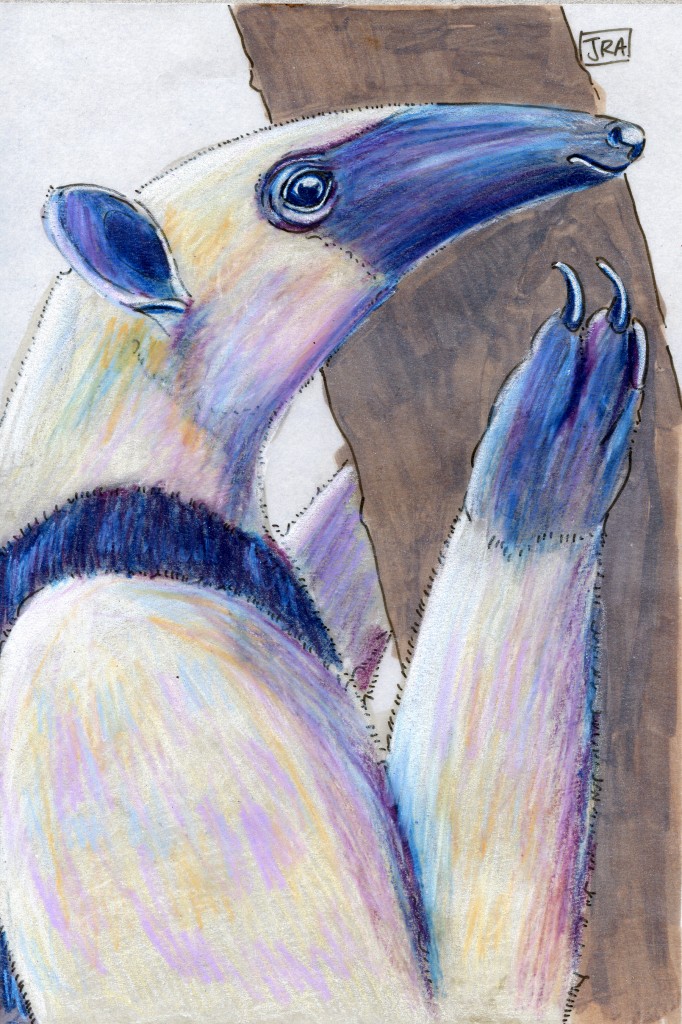
I’m posting two mammals tonight, both to get a day ahead of the actual World Cup and because I really hate my second drawing and want to bury it beneath the one above, which I actually like. So first, here’s the silky anteater, also called the pygmy anteater (Cyclopes didactylus), representing Brazil. Brazil was one of the two favorites to win the whole World Cup, but it has been bounced. Tomorrow is the second semifinal game, which will be played between Germany and Spain. Holland beat Uruguay today in the first semifinal match, so there are only European teams left.

The silky anteater is a strange little beast. It lives in the trees of the rainforest, and it’s nocturnal. It eats, as its name would suggest, ants, and they’re its favorite, but it will also eat termites. It’s a small little bitty anteater, just about 8 inches long and weighing less than a pound. Apparently, it lives in a tree that has fibrous, silky seedpods, which camouflage the little anteater as he safely sleeps the day away. According to EDGE of Existence, “Its long tongue is equipped with small spikes and mucus and is perfect for gathering up ants and termites.”

Here’s an odd little cameo appearance of the silky anteater from the 1972 movie Aguirre, the Wrath of God, directed by Werner Herzog and starring Klaus Kinski:

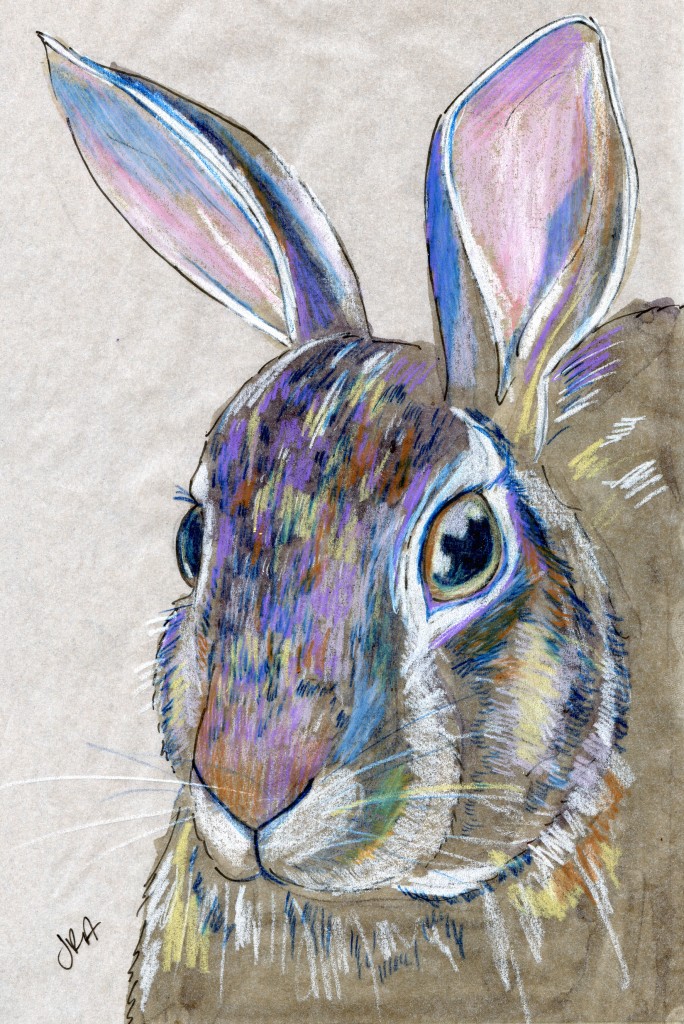
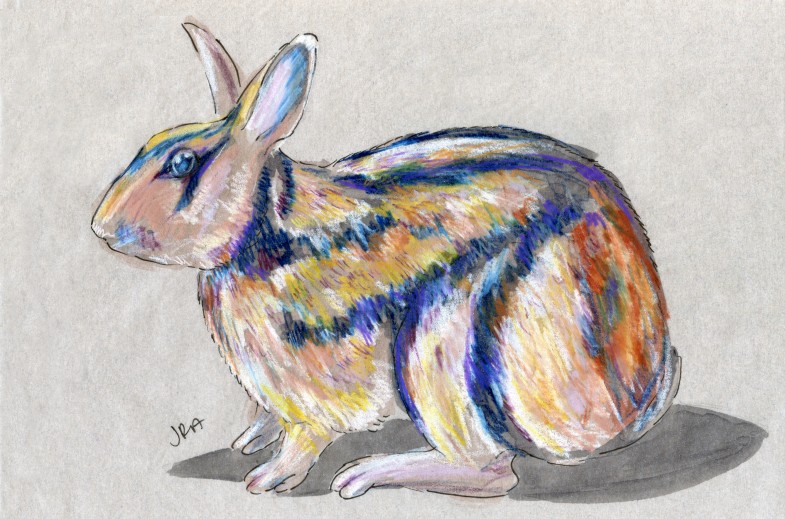
Korean hare (click image to enlarge)


0339

North Korea is a mystery in general, and a mystery at the World Cup as well. This was the first time they’d qualified since 1966, when, according to an essay published in Time a couple of weeks ago, they “thrilled the World Cup” and ushered in a new era of competition, fitness, and endurance, even though they lost their quarterfinal match against Portugal. There’s a documentary about the 1966 team that looks interesting.

During this 2010 World Cup, a few interesting stories came to light. North Korea’s star, Jong Tae-Se, while North Korean by ancestry, was born in Japan and lives there. He said that he amazed his teammates by showing them his cell phone. They are easily amused, Jong Tae-Se says: their favorite between-games activity is rock, paper, scissors. And it’s no wonder they’ve never seen a cell phone before: they’re used to invisible ones, like the one Kim Jong-Il supposedly used to communicate with the team’s coach during their World Cup matches.

As I’ve mentioned, I’m trying to be more cosmopolitan, and the first and biggest step in that direction is to seek to understand people from other places and cultures. But it is so hard to understand people from North Korea. Of course, it would be hard to understand any country about which so little is known, but when North Koreans are allowed to talk, they sound like cult members. There’s such a huge wall there, but whether it’s a wall of terror or paranoia or brainwashing or sheer deprivation, poverty, and exhaustion, I just don’t know. Newsweek worries about the North Korean team and their families. Since they brought dishonor to their motherland, losing all three of their games, including a 7-0 drubbing by Portugal, will they mysteriously disappear or face some other terrible fate? Newsweek argues that FIFA, the organization that governs international soccer, should boycott the country, as so many sports organizations boycotted South Africa. I have to say that I don’t see why we’re not boycotting the country, based on what we know of its secretive, abusive, dictatorial regime.

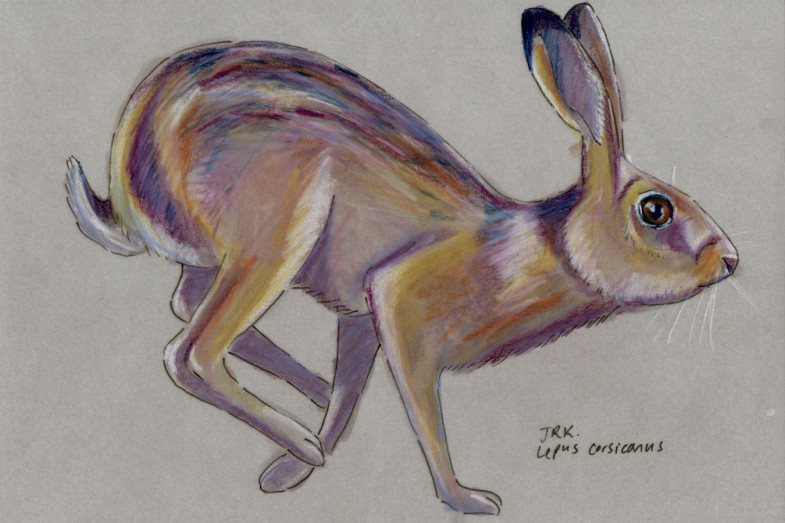
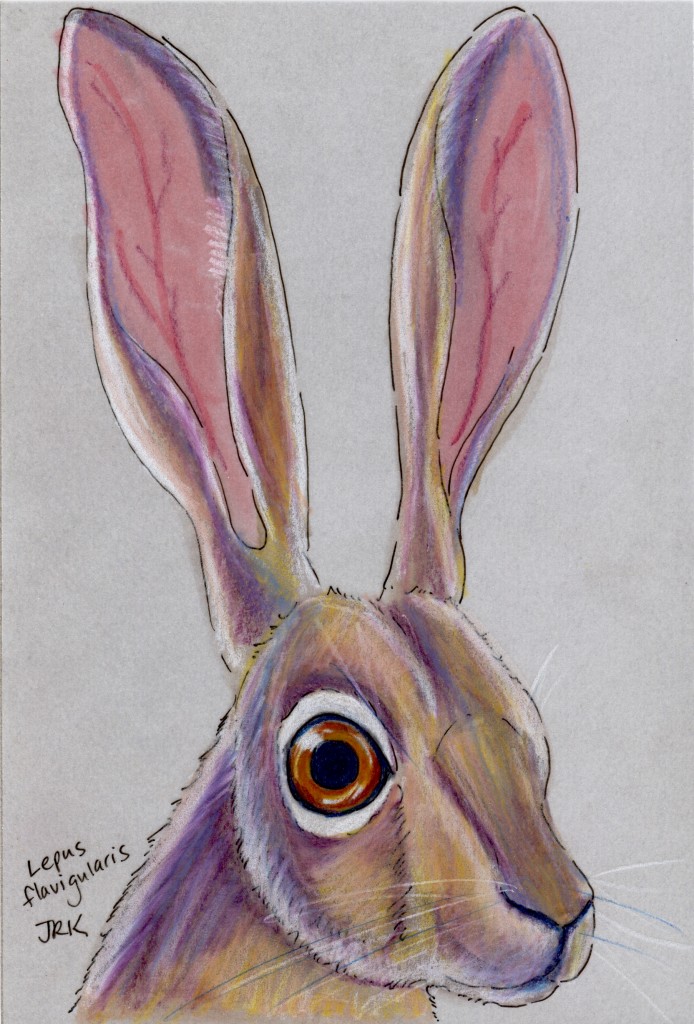
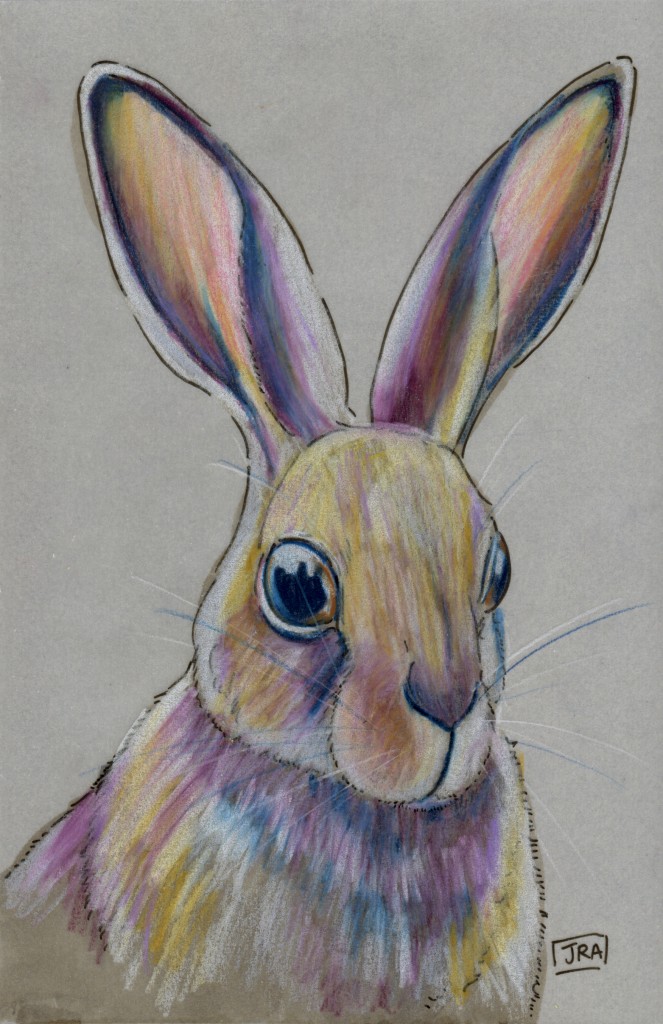
None of this is any business of the Korean hare’s (Lepus coreanus), a regular old hare who lives in both Koreas and in China.

{ 3 comments }

Tree pangolin (click image to enlarge)

0336

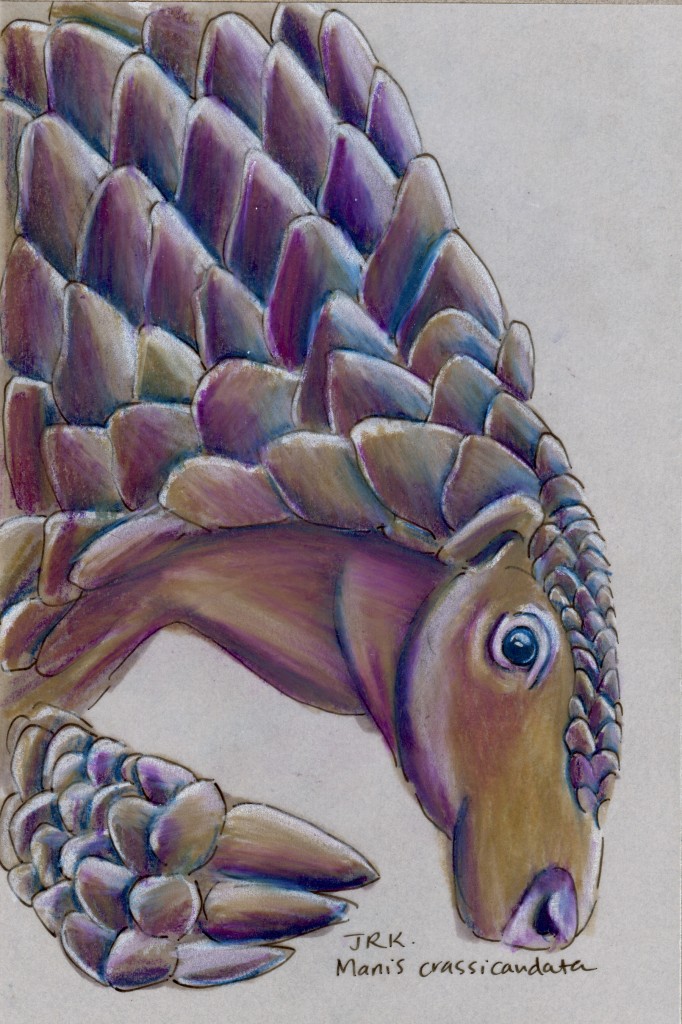
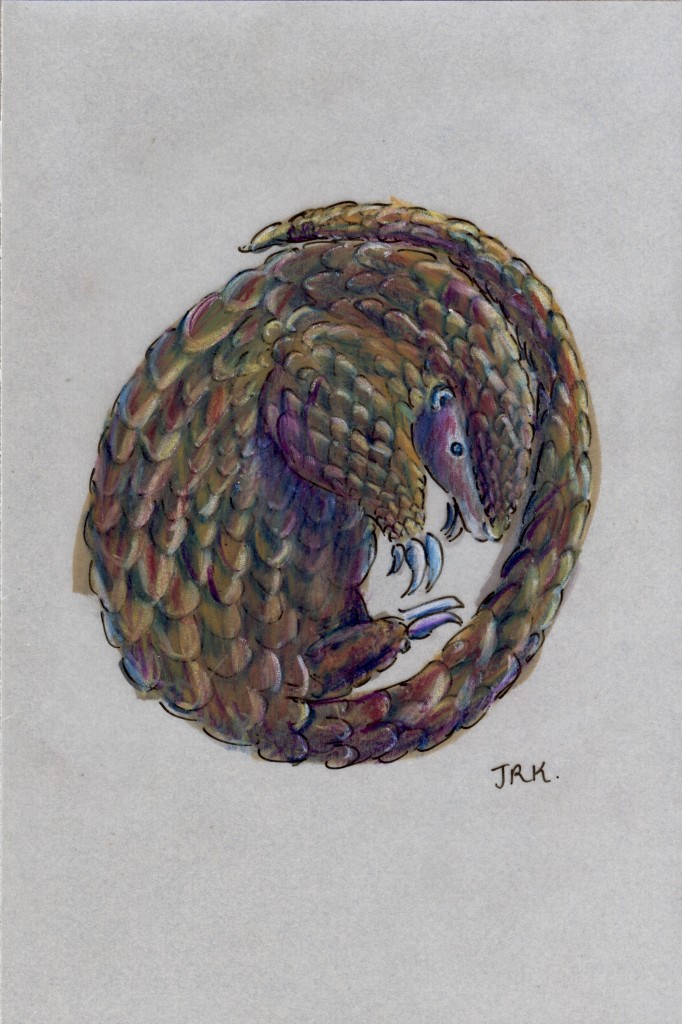
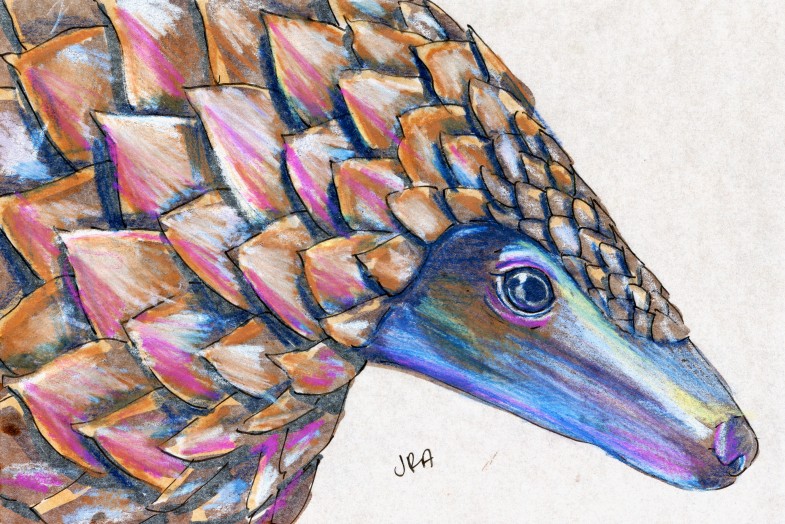
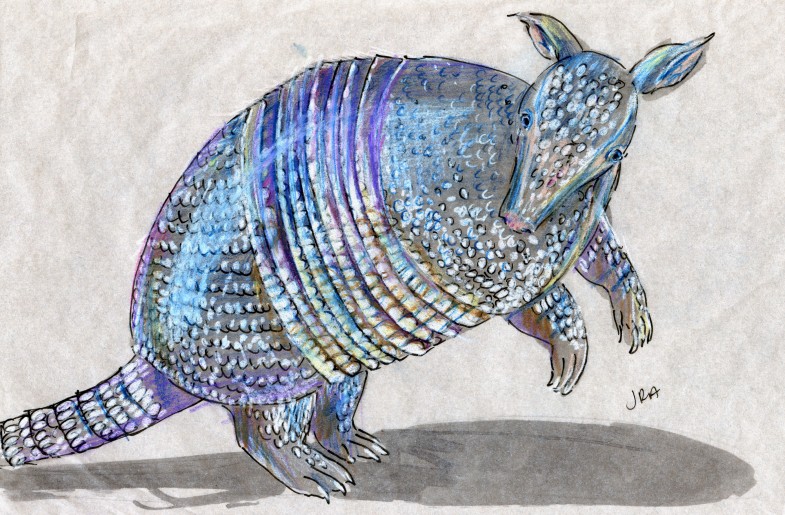
Representing the Ivory Coast in the mammalian World Cup is this scaly, piny fellow, the tree pangolin. Like the anteaters of South America, the pangolin has evolved to have a long tongue and no teeth, adaptations that let it concentrate on eating ants. And like the armadillo, it has evolved a protective armor, in this case sharp scales that stick out of its thick skin. When threatened, the pangolin curls up in a tight ball that looks like a particularly round pinecone. Tree pangolins, like this one, have long, prehensile tails with a bare patch of skin at the end so they can use them to get a good grip on tree branches and swing upside down.

Sadly, the tree pangolin’s numbers are declining because of hunting for bushmeat and traditional medicine (its scales, of course, are considered an aphrodisiac, because someone considers every unusual part of any animal an aphrodisiac, it seems to me). The IUCN currently lists the species as near threatened; endangered is the next rung down the ladder to extinction.

The tree pangolin’s genus name, Manis, comes from the word manes, which is the ancient Roman word for spirits of the dead. The species name, tricuspis, does not denote teeth, as I had reckoned, but means “three points” and refers to the shape of the scales. Our bicuspid teeth, I guess, must have two points.

The Ivory Coast gives us a good chance to talk about an aspect of soccer we haven’t discussed: faking, diving, acting, flopping. In soccer, as in none of the major American sports as far as I know, players will pretend to be far more injured than they are in order to persuade the referees to call a foul against another player. One such foul, unless it’s especially egregious, will draw a yellow card, which is a sort of warning. Two yellow cards equal a red card, and a player who gets a red card is sent off the pitch, leaving his team down a man for the rest of the game, and is not allowed to play in his team’s next game.

In the Ivory Coast game against Brazil in this World Cup, there was a spectacular instance of diving, which is what this injury-faking is called. Brazil’s star, Kaká, gently jostled an Ivorian player named Kader Keita somewhere in the abdomen, and Keita fell to the ground clutching his eye, writhing in agony. Kaká had previously drawn a yellow card, and Keita’s lousy acting somehow convinced the ref to give Kaká the red card now, meaning Kaká was sent off and Brazil had to play with 10 players. It didn’t make the difference for Ivory Coast, though: they still lost 3-1 and did not advance past the group stage of the tournament. If you watch this video of highlights from the game, you can zip up to about 1:30 (after a 10-second ad) and see the star of the Ivory Coast team, Didier Drogba, make a really neat goal with his head, immediately followed by the Kader Keita-Kaká fracas.

Coco also drew a tree pangolin for us.

Tree pangolin by Coco, age 11

Group F Results

The tree pangolin is the first mammal from Group G, but I forgot to do the Group F results in the last post, so let’s do it now. Group F was the Alpine ibex from Italy, the black-and-gold howler monkey from Paraguay, the New Zealand lesser short-tailed bat, and Slovakia’s Tatra chamois.

When another group had a bat, I speculated that the bat would just fly away from the pitch, earning it either a draw or a forfeit. But the fact that this bat is evolving into being a ground mammal means it has the kind of adaptability that wins games. I think it could beat these other mammals. Of the others, the Alpine ibex’s horns are bigger and more threatening than the chamois’, and I think either of their sharp hooves could defeat the monkey. So the two teams from Group F that will continue on to the Round of 16 are:

New Zealand lesser short-tailed bat (New Zealand)
and
Alpine ibex (Italy)

{ 4 comments }

American Shrew Mole (Neurotrichus gibbsii)

by JR Kinyak on July 20, 2009

in Other Orders

American shrew mole (click image to enlarge)

American shrew mole (click image to enlarge)


0278

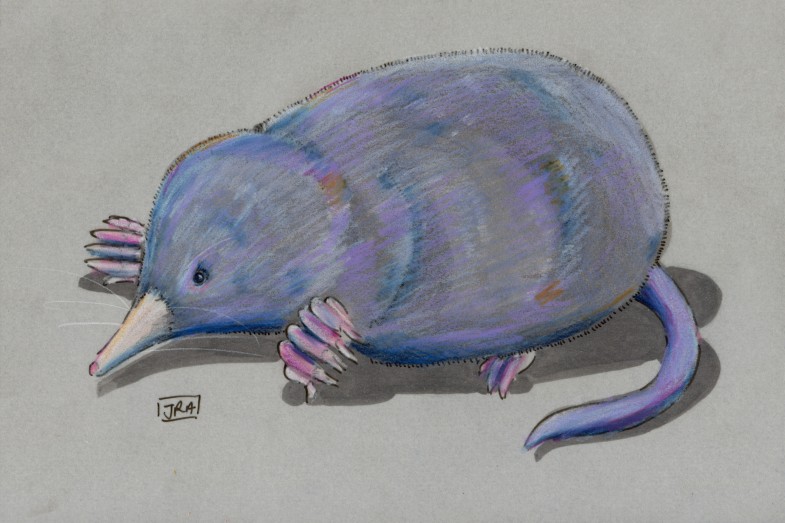
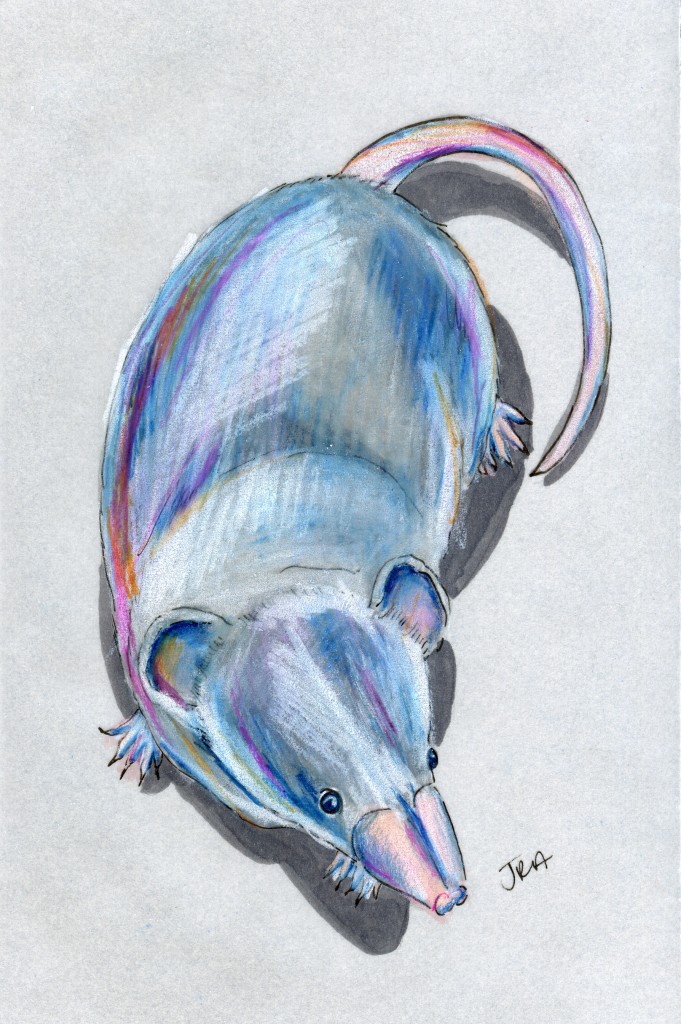
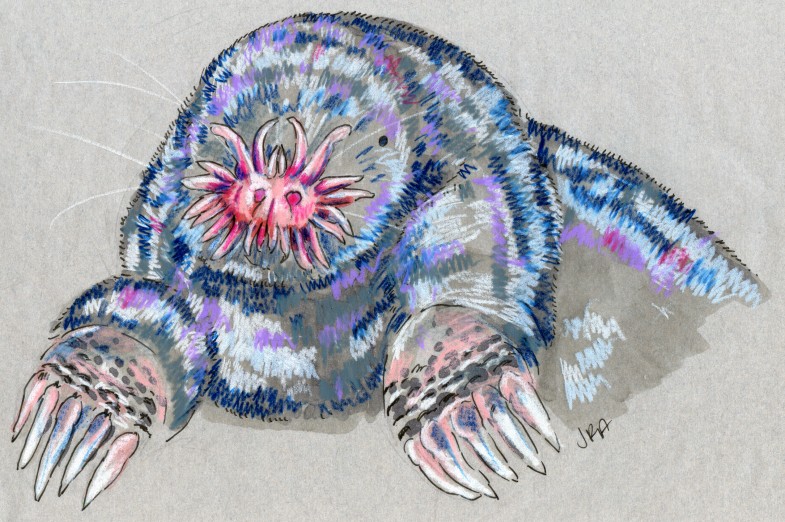
This smallest of the American moles looks about like how I imagine Mole in The Wind in the Willows: gray, chubby, soft, and blind. The American shrew mole lives in the northwestern United States and southwestern Canada, from British Columbia to central California. The moles zip around in “runways” or trenches that they dig on the earth’s surface, just below the fallen leaves covering the ground. They also make the more classic kind of burrow, too.

American shrew moles only sleep one to eight minutes at a time—but they’re only awake between two and 18 minutes straight. (I picture them running along beneath the leaves and suddenly dropping in their tracks for a little snooze, then starting up just where they left off again. I don’t know if that’s accurate, though.) They use their noses to help them hunt in a rather methodical way. They’ll tap-tap-tap their nose on the ground in front of them, then turn their head to the right and tap-tap-tap again, then to the left with a tap-tap-tap, then take a step forward and repeat the process. They keep doing this until their nose touches a delicious earthworm, which they proceed to devour.

{ 4 comments }

Snowshoe hare (click image to enlarge)

Snowshoe hare (click image to enlarge)


0268

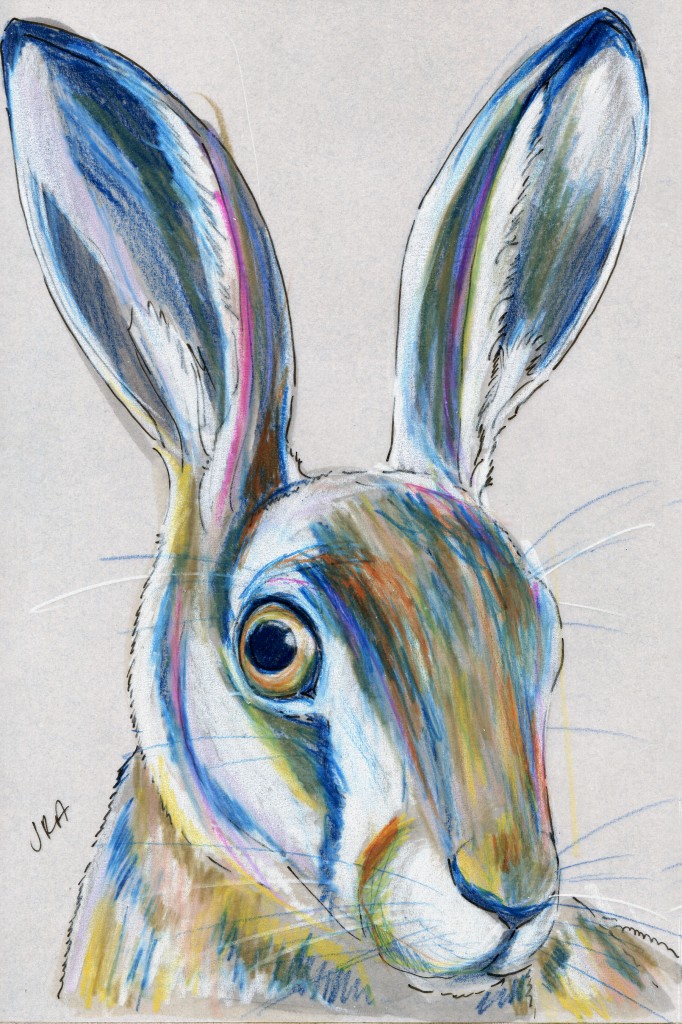
Snowshoe hares live in Canada and the northern United States. Their name comes from their amazingly adapted hind feet, which are large and broad with a stiff coat of hair that lets them walk on top of snow. Their other impressive adaptation is their coloring. In the summer, they’re reddish brown, but when fall comes, they begin molting, replacing their brown fur with a new, fluffy white coat. In between the two coats, their fur is patchy, like patchy snow that falls and melts in the autumn or spring. Young snowshoe hares especially rely on this protective coloration to escape predators. They’ll freeze when they sense danger, trying to blend into the background. Older hares will often choose to run instead, and they can go as fast as 27 miles an hour.

{ 0 comments }

Northern Tamandua (Tamandua mexicana)

by JR Kinyak on May 11, 2009

in Other Orders

northern tamandua (click image to enlarge)

northern tamandua (click image to enlarge)


0260

This small anteater lives in the treetops from southern Mexico to northwestern Venezuela and Peru. The opening of its mouth is about the size of a pencil, and since it has not teeth, part of its stomach is a gizzard that grinds its food. It mostly eats termites and ants, picking them up with its tongue that can stick out 30 centimeters, or about 16 inches! It has smelly anal glands, extremely strong arms, and sharp claws, all of which help it defend itself.

{ 5 comments }

Amami Rabbit (Pentalagus furnessi)

by JR Kinyak on May 8, 2009

in Other Orders

Amami rabbit (click image to enlarge)

Amami rabbit (click image to enlarge)


0258

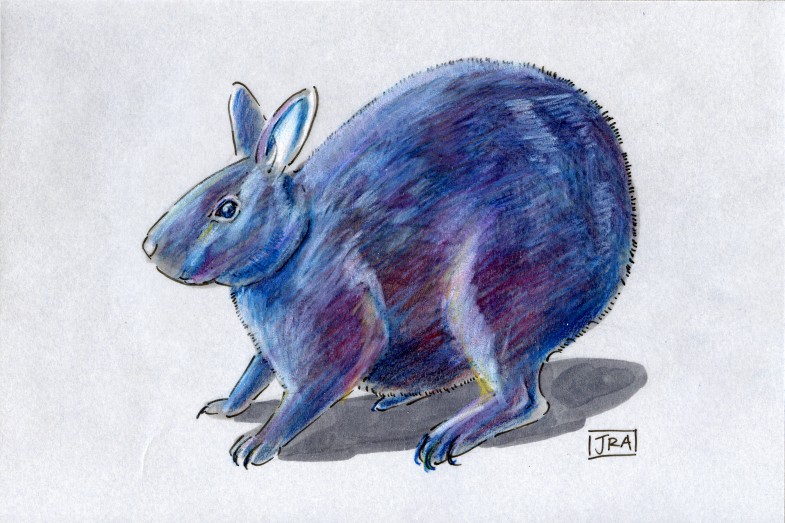
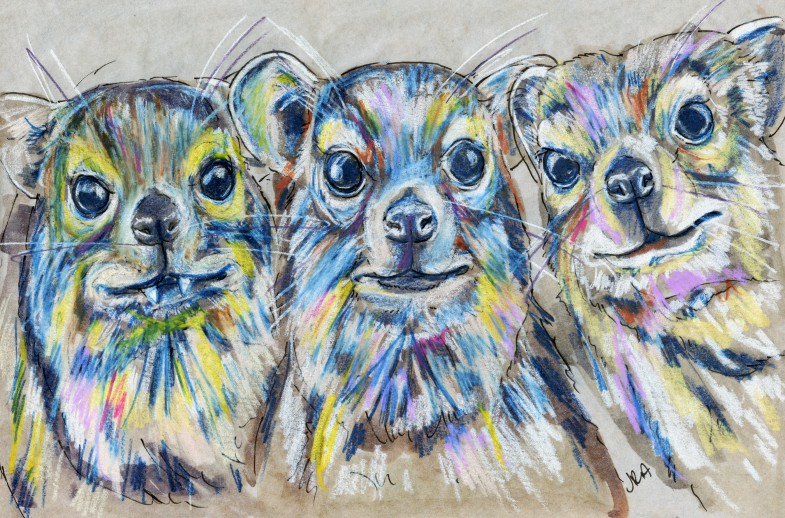
This fuzzy, stout rabbit lives only on the Japanese islands of Amami and Tokuno. It’s endangered, and both its population and its range have been decreasing. There are probably fewer than 5,000 of these rabbits in existence. They’re considered “living fossils” because they are very similar to ancient fossil rabbits and markedly different from other living rabbit species. They have unusually short ears, long noses, sturdy bodies, dark and dense fur, and curved claws.

Because they’re nocturnal and rare, Amami rabbits are still somewhat mysterious to science. One curious habit they have is that of sealing up their nursing burrows. A female Amami rabbit will give birth in a special burrow, then seal it up when she goes out for the night. She’ll come back to nurse the babies once every couple of nights. This goes on for a few months, at which point she ushers the babies out of the house, telling them it’s time to take care of themselves for once.

In addition to ordinary endangered species lists, Japan also designates what it calls natural monuments. These are plants or animals, natural features and structures, minerals, or wilderness areas. To qualify as a natural monument, something must be not only threatened, but also culturally important. Of the almost 1,000 natural monuments, 75 are classified as special natural monuments, and the Amami rabbit is one.

“The Secretive Rabbits of Amami, The Japan Times

Amami rabbit on the EDGE (evolutionarily distinct and globally endangered) website

{ 3 comments }

Desert Shrew (Notiosorex crawfordi)

by JR Kinyak on January 26, 2009

in Other Orders

click image to enlarge

0216

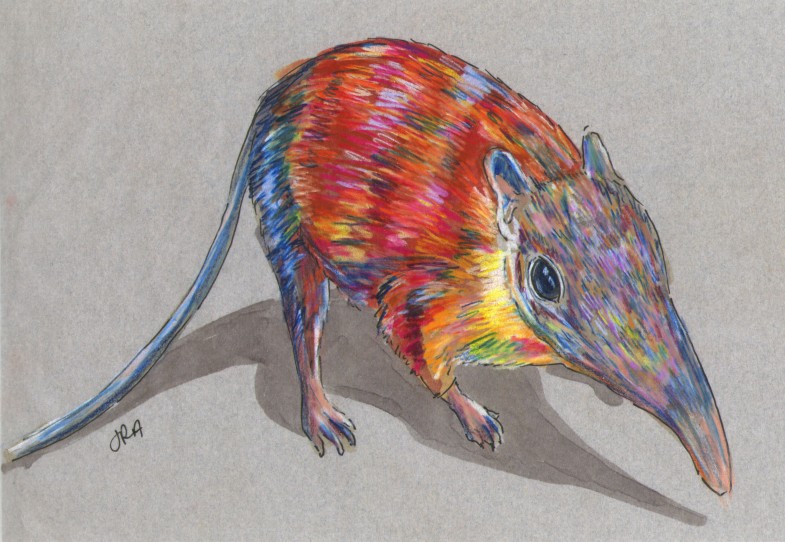
Well, haven’t I learned something today. I use Walker’s Mammals of the World, sixth edition, as a general reference for this project. It’s a huge two-volume work, the most comprehensive in existence, and invaluable to me for sorting out taxonomic questions and getting basic information about species’ habitats and habits. This edition came out in 1999, and the previous editions came out in 1991, 1983, 1975, 1968, and 1964. Looks like we’re about due for a new one, right? And good thing, too! I picked this little shrew out of my Walker’s the other day. It was listed as the only member of the genus Notiosorex. First thing I learn online is that now the consensus seems to be that there are actually four Notiosorex species, not one. Okay, that’s nothing new around here, I can deal with that.

But then I go to look at the Wikipedia pie chart of the distribution of mammalian orders, remembering—I thought—that members of the order Insectivora constituted the third-largest group. Insectivora is one of the 28 orders in Walker’s. It includes shrews, hedgehogs, and moles, shrews being in the family Soricidae. But the Wikipedia pie chart doesn’t even list insectivores. Instead, the third-largest group, behind rodents and bats, is Soricomorpha, shrew-bodies.

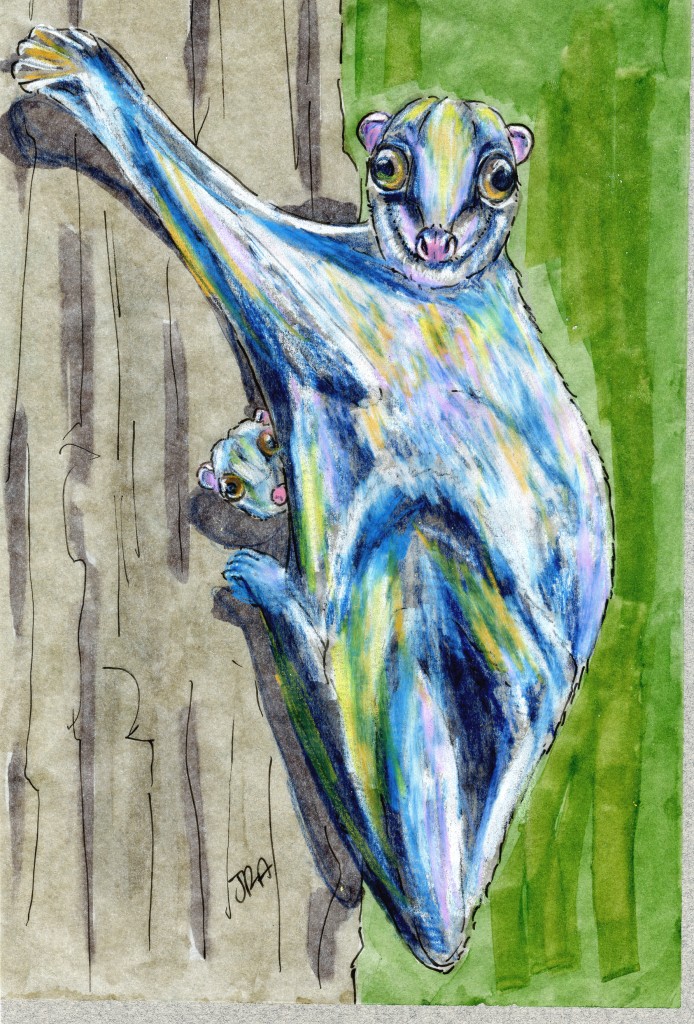
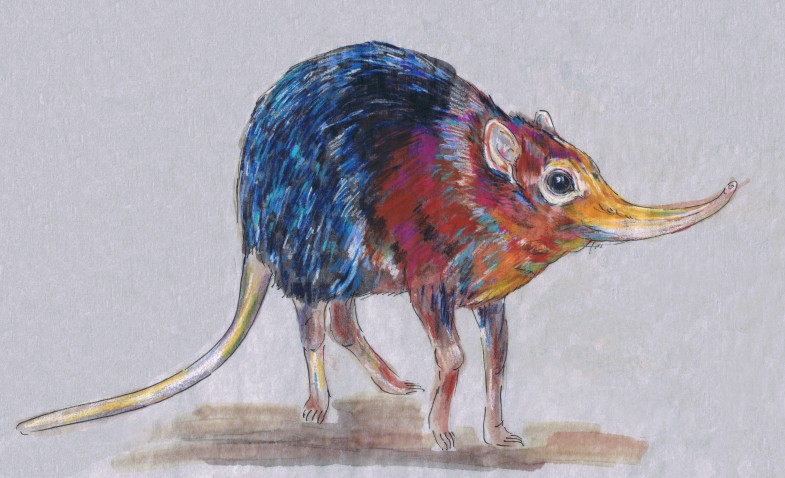
It turns out that taxonomically-minded people are coming to a consensus that Insectivora, which Wikipedia calls “a scrapbasket,” is in fact several separate orders—colugos in one, elephant shrews in another, hedgehogs and gymnures over there, etc., etc. Lord have mercy, but this has exploded my mammal-loving world. It’s one of the most interesting things about this project, and biology and actually, I guess, science in general, the way no one even knows how many mammals there are, people can disagree on whether this species is really the same as that species, and it’s always changing, but still, I was not expecting to lose a whole order, and one whose name I just learned to pronounce properly (stress on the third syllable).

Seventh edition of Walker’s, where are you?

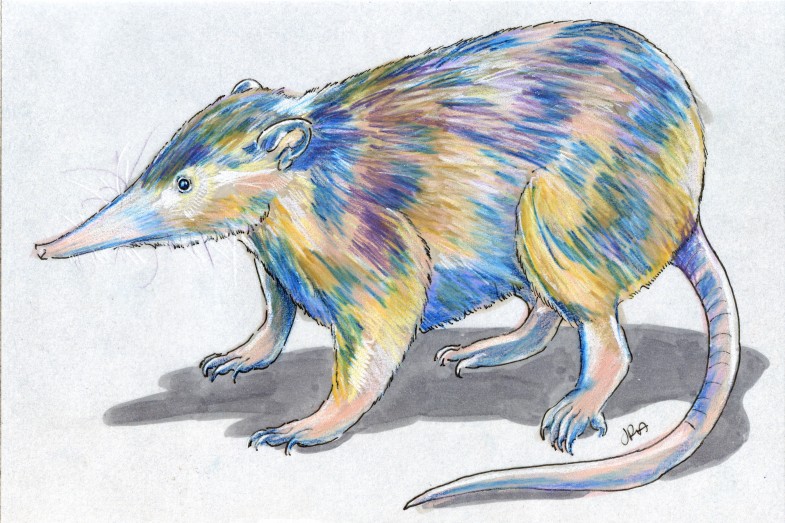
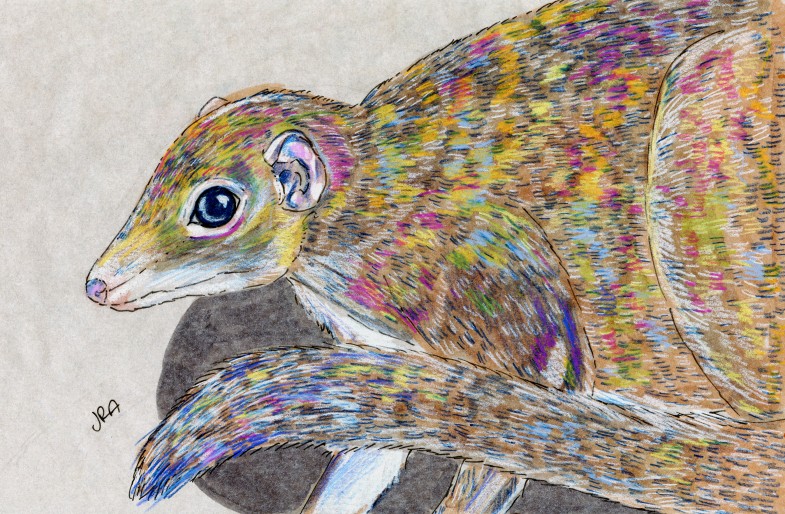
This shrew, a member of Soricomorpha, lives in the southwestern United States (including my home state, New Mexico) and in Mexico. They are way smaller than you’d think: only three or four inches long on average, including their tails. They’re so small that they can actually hang out in beehives, entering and leaving through the bees’ doors.

{ 4 comments }