From the category archives:

Marine Mammals

European otter (click image to enlarge)

0328

Hi, mammals! I think I’ll be on track to finish the Mammals of the World Cup on schedule with the actual World Cup if I post all of Group E today and then get back to once-a-day tomorrow. (Whether I will succeed is still unknown, as life has been pretty stressful around here. But I’m trying!) Also, I’m really not doing my best work lately, so dumping four mammals on you at once might distract you from that fact.

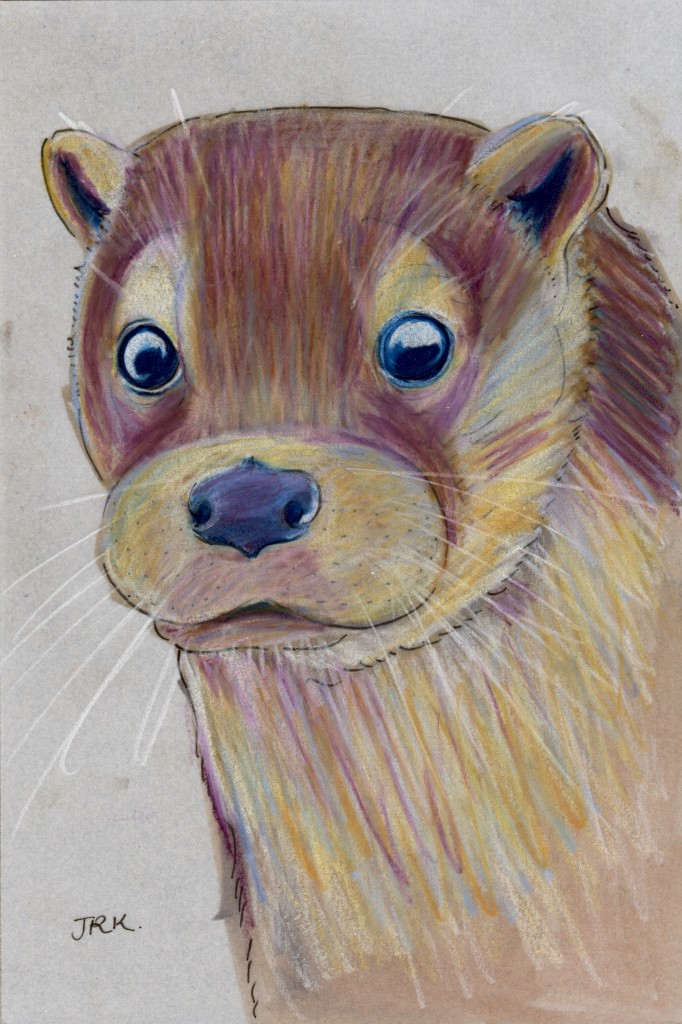
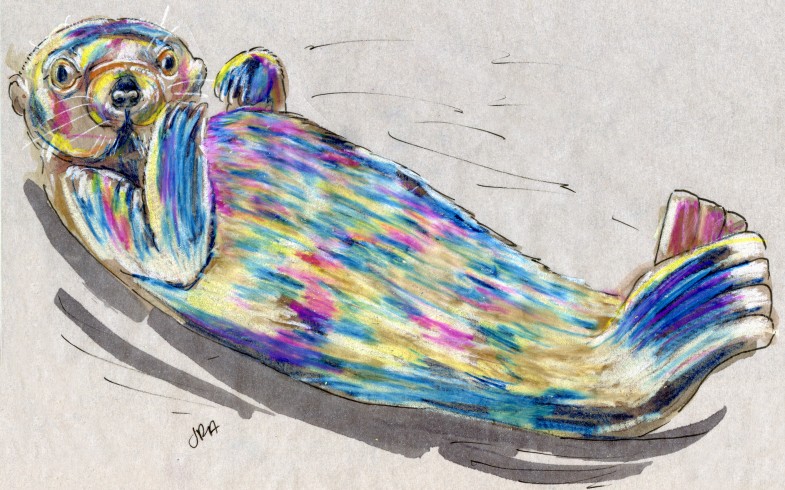
Our first mammal is the European otter (Lutra lutra), who is representing the Netherlands, where its numbers had decreased to almost nothing but it has been reintroduced. The Netherlands beat Slovakia (where the Yak part of my name comes from) in the Round of 16 and will be playing Brazil in the quarterfinals on Friday.

Orca (click image to enlarge)

0329

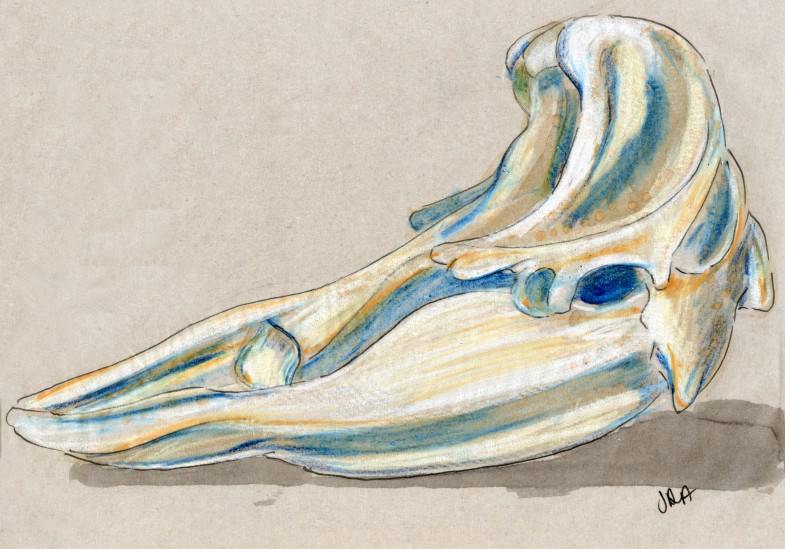
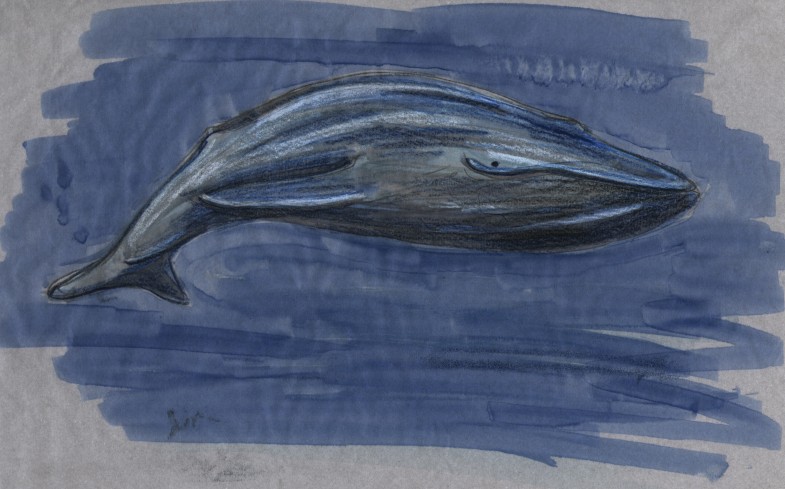
The orca or killer whale (Orcinus orca) is playing for Denmark tonight. Did you know that orcas in groups have been known to take down blue whales? It’s unlikely, I think, that anyone is going to beat the orca in this World Cup. Denmark, on the other hand, didn’t make it out of the group stage.

Japanese dwarf flying squirrel (click image to enlarge)

0330

From Japan, the Japanese dwarf flying squirrel (Pteromys momonga), which is also known as the momonga! It’s just too cute to be believed, really, and is also represented on one of my favorite Yu-Gi-Oh! cards, seen below. (I’m very into Yu-Gi-Oh! now. It comes with the 14-year-old son. I have a beast deck. Besides the Nimble Momonga, I also have a Tree Otter, a Sea Koala, a Kangaroo Champ, a Green Baboon Defender of the Forest, and a Rescue Cat.)

A very handy Yu-Gi-Oh! card (click image to enlarge)

Japan made it to the Round of 16 but lost to Paraguay today. After the group stage, they don’t allow ties anymore. First, they have 30 minutes of overtime, and if there’s still a draw, they take turns taking penalty kicks, which are kicks from a spot 12 yards from the goal. Five players from each team try that, and if there’s still a draw after the penalty kicks, they play sudden death. After the 30 minutes of extra time, the Japan-Paraguay game was tied 0-0, and Paraguay won in penalty kicks.

Allen's swamp monkey (click image to enlarge)

0331

This is Allen’s swamp monkey (Allenopithecus nigroviridis), and it’s from Cameroon (as well as Congo and the Democratic Republic of the Congo). Its scientific name means “Allen’s ape, black and green,” and it is indeed kind of black-and-green colored. Cameroon didn’t get out of the group stage at the World Cup.

Group E Results

Well, the killer whale is the killer whale, and none of these guys stand a chance against that apex predator. It moves on to the next round, and I think our mustelid friend in this group, the European otter, could do some damage to the swamp monkey, and obviously the momonga is adorable and tiny and hopeless against any of the other three. So the two mammals continuing on to the Round of 16 from Group E are:

Orca (Denmark)
and
European Otter (Netherlands)

{ 5 comments }

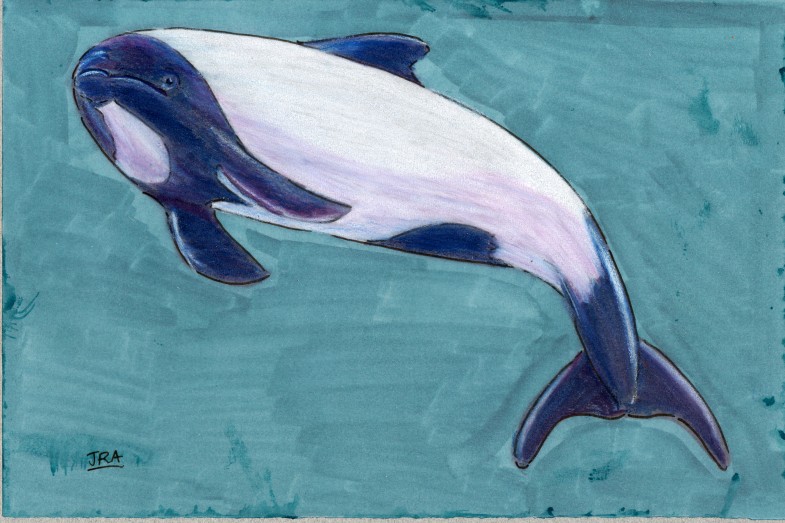
Short-finned pilot whale (click image to enlarge)


0311

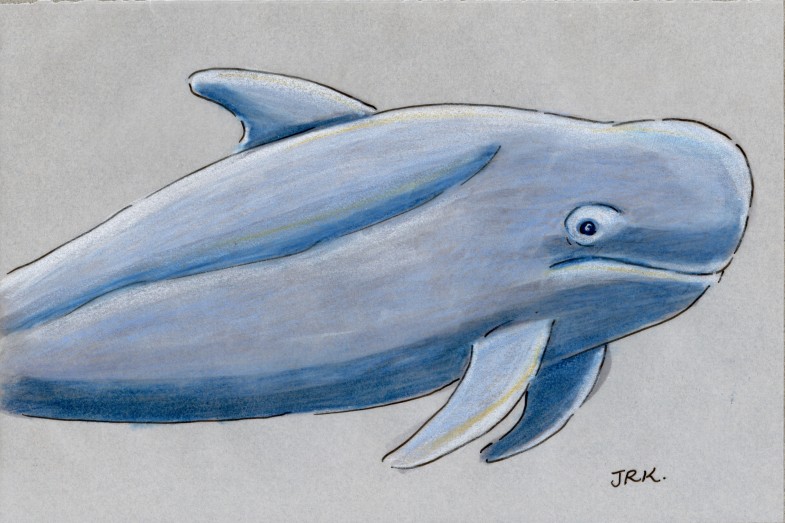
The short-finned pilot whale is technically in the dolphin family. It has teeth and lives throughout the middle third of the earth, north and south of the equator. Japanese whalers are allowed to kill it.

{ 1 comment }

Spinner Dolphin (Stenella longirostris)

by JR Kinyak on April 8, 2010

in Marine Mammals

Spinner dolphins (click image to enlarge)

0289

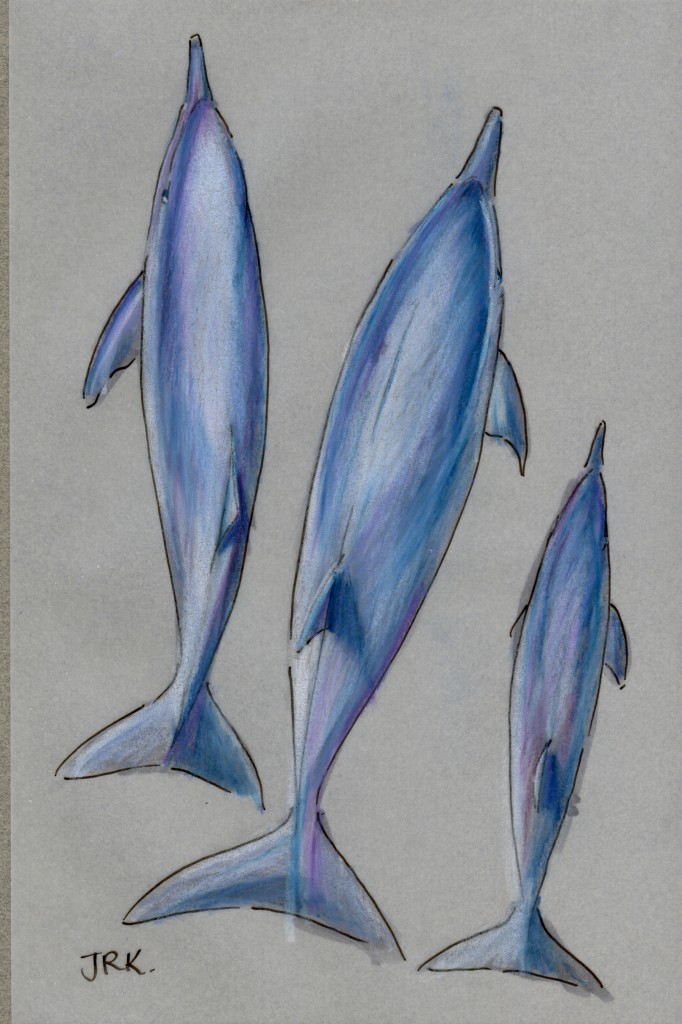
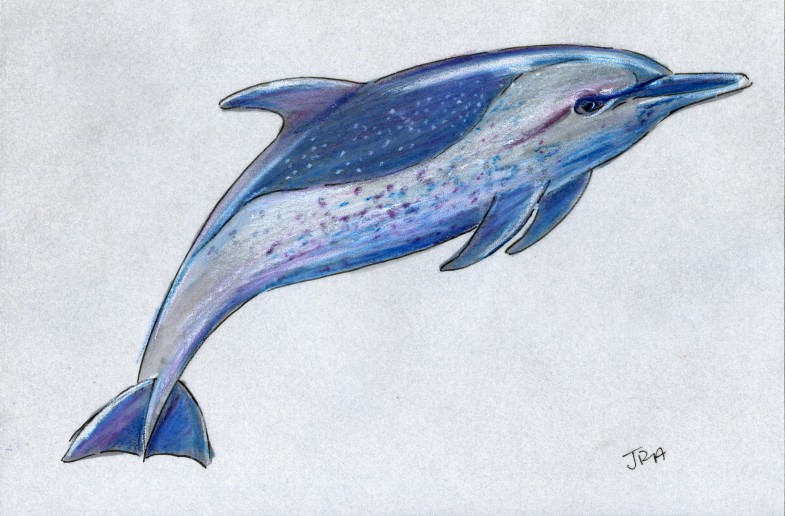
Spinner dolphins, who live in a great big swath of the world’s oceans (right around the middle of the earth like a belt), get their name from their acrobatic twists and rotations. They spin as part of their social interaction and probably as a way to communicate, or maybe to dislodge parasites, which is of course a much less romantic thing to think about when watching their graceful feats. Their society is a fission-fusion one, in which they feed in large groups at night and split off into smaller bunches to hang out during the day.

Spinner dolphins are one of the species most affected by tuna fishing, and although fewer of them are killed by the fishing industry these days, the species is not recovering nearly as quickly as one would hope. And some quick research I’ve just done indicates that the “dolphin-safe” labels that have so assuaged our worries and guilt may not be particularly reliable. And even tuna catches that are dolphin-safe are not safe to the other marine life, like sea turtles, sharks, and other fish, that are caught in tuna nets and discarded. So another day, another Daily Mammal post that ends on a futilely depressing note. Here’s Theo’s beautiful dolphin drawing to add some grace.

Spinner dolphin by Theo, age 13 (click image to enlarge)

{ 0 comments }

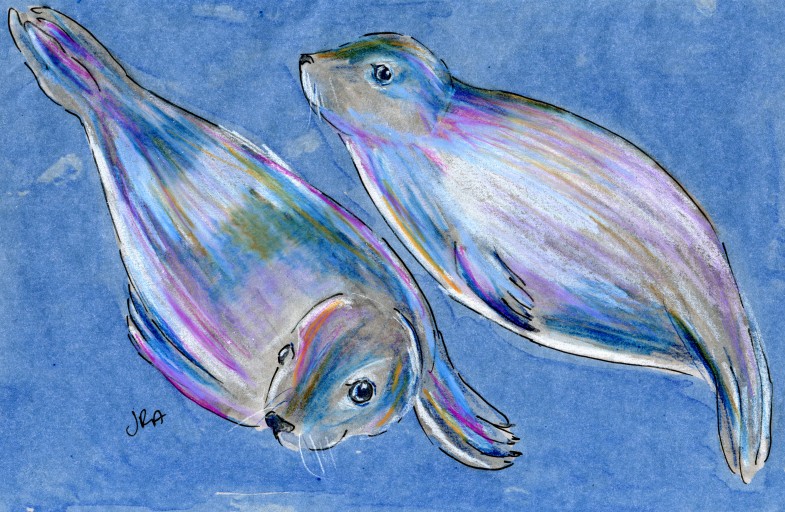
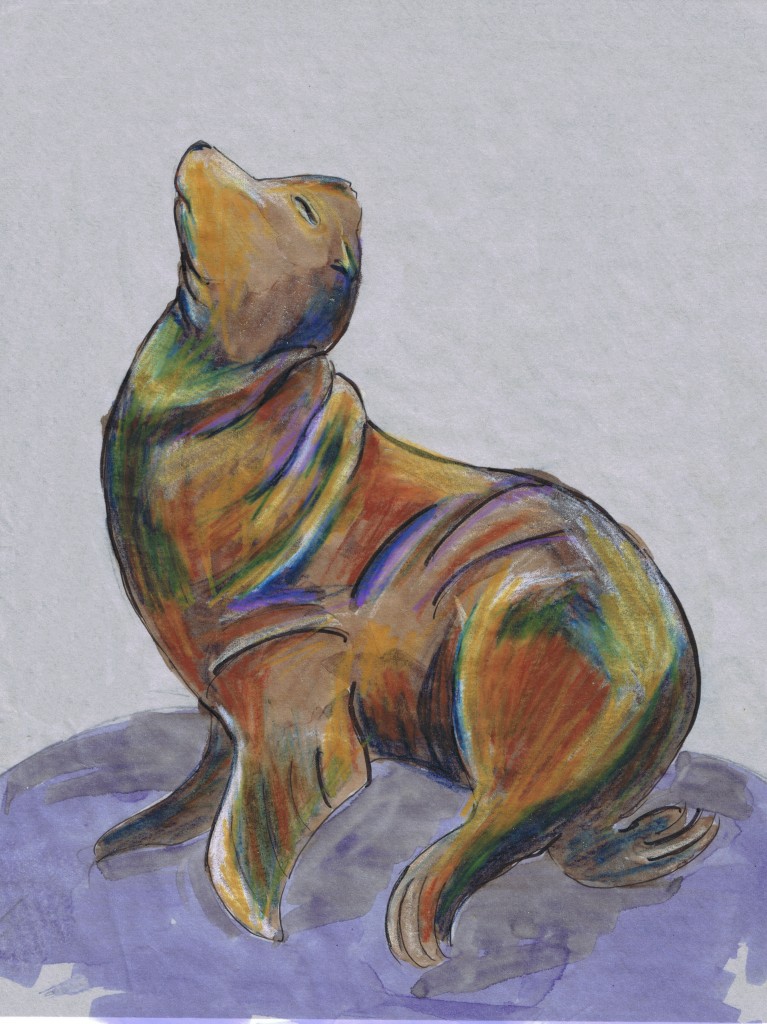
Cape fur seal (click image to enlarge)

Cape fur seal (click image to enlarge)


0271

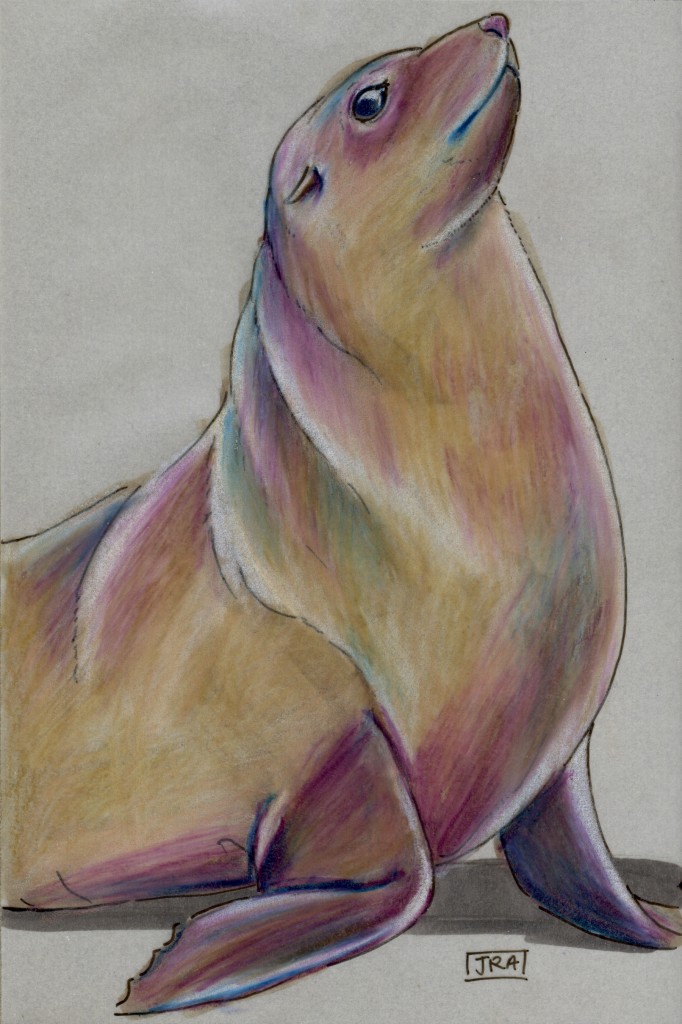
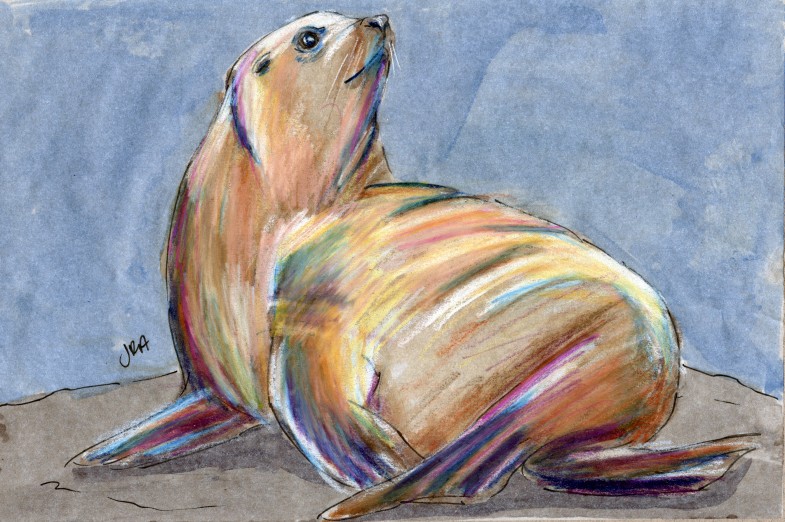
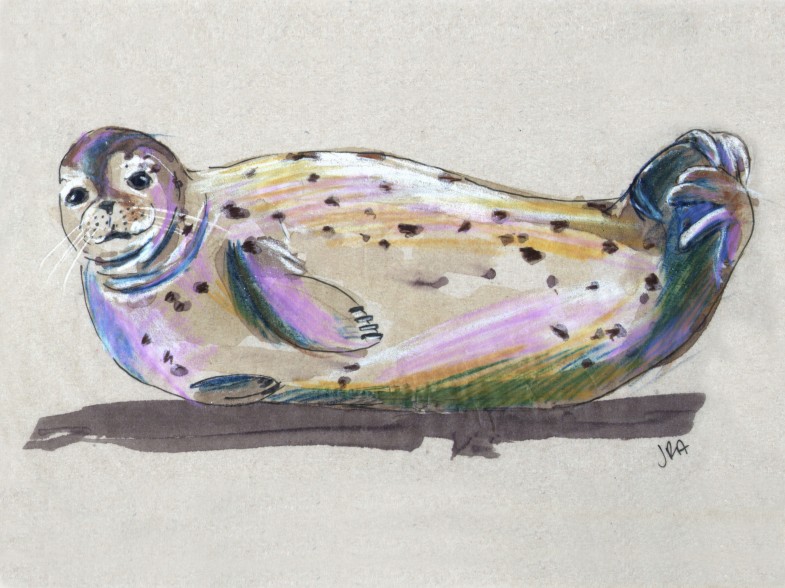
Daily Mammal Now is an occasional Daily Mammal feature in which we meet a topically newsy mammal that I hadn’t previously drawn. Now, let’s meet the Cape fur seal, or more precisely, the Afro-Australian fur seal, of which the Cape fur seal is a subspecies. Afro-Australian seals live, unsurprisingly, off the coasts of Africa and Australia, specifically southwestern Africa and southern Australia. They’re called fur seals because their fur has been used to make coats and such. Baby fur seals have especially prized fur. The genitalia of male seals is sometimes used as an aphrodisiac in traditional medicine.

The largest Cape fur seal colony is on the coast of Namibia. Every year, the Namibian government allows seal hunts. This year the seal season runs from July 1 until November 15. The government is allowing hunters to club 85,000 baby seals and 5,000 adult males. The hunt takes place in relative secrecy so as not to attract attention or scare people.

Namibia is one of only five countries that still allow seal hunts. There is some disagreement among experts about the humaneness of clubbing seals; some maintain that done correctly, it’s more humane than shooting. But because of the perceived cruelty, seal products have long been banned in the United States and other countries, and beginning in 2010, they’ll be illegal in the European Union, too (with the exception of those created by subsistence hunting on the part of native populations).

This year’s Namibian seal hunt has been in the news the past couple of weeks because a South African organization, Seal Alert-SA, has been trying to buy out the only company that deals in Namibian seal pelts. (Coats made by the company supposedly fetch up to US$110,000.) With animal welfare activists claiming that the seal hunt hasn’t started because of the pending deal and the Namibian government saying that it has, it’s unclear what exactly is going on.

The National: “$14m deal to end Namibia’s Seal Cull”

The AP: “Namibian seal hunt to go on, 90,000 to be clubbed”

African Conservation Foundation: “Seal Cull NOT Started, Hang-in There Baby Seals, Help Coming”

Seal Alert-SA’s blog

{ 7 comments }

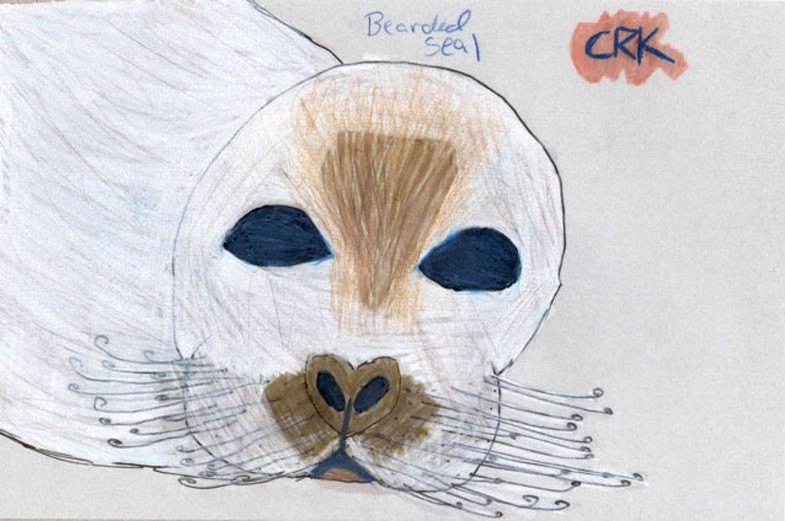
Bearded seal (click image to enlarge)

Bearded seal (click image to enlarge)

0266

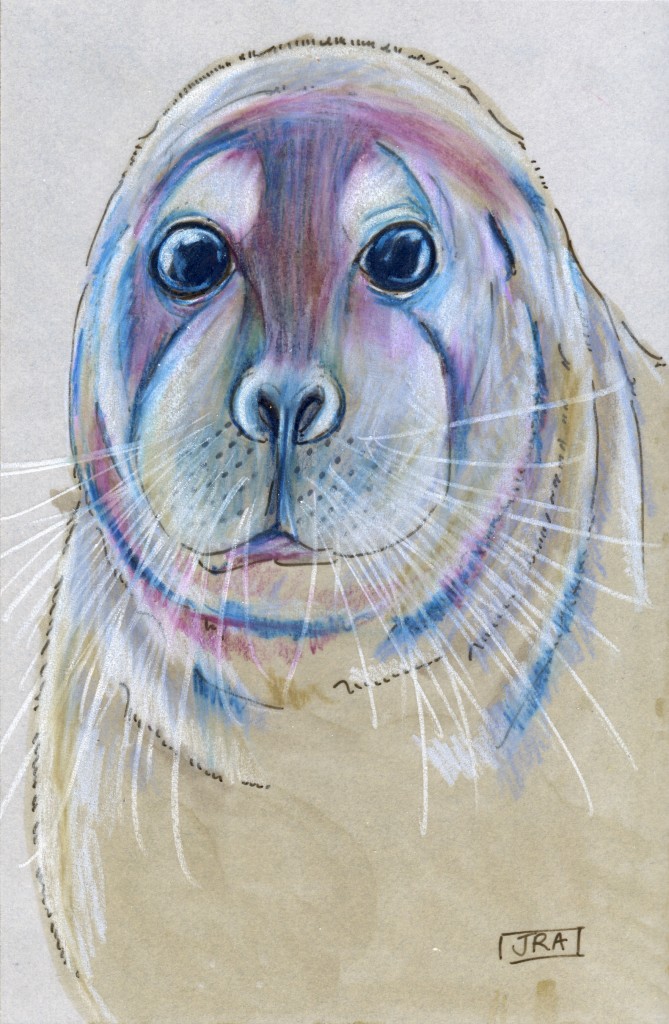
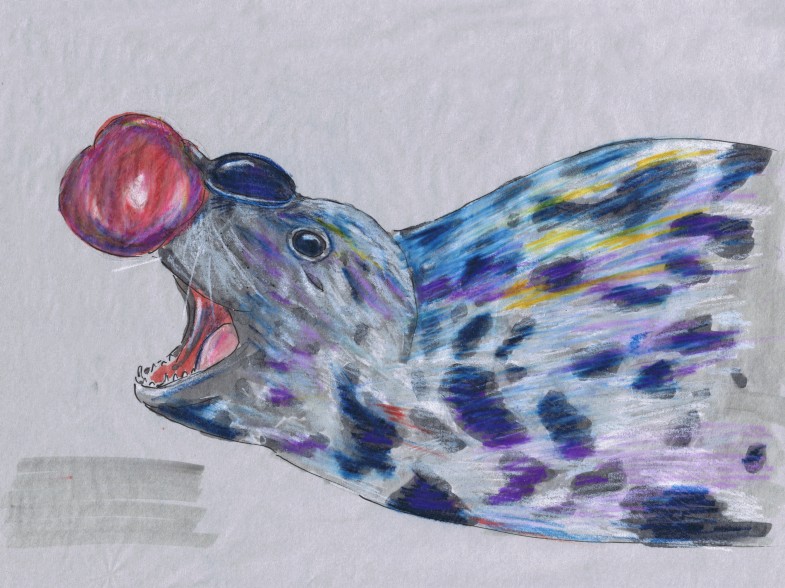
We continue our visit with the mammals of Alaska today, with this guy, the bearded seal. Like the bearded pig, he’s really more mustachioed than bearded, but that’s okay. Bearded seals live throughout the arctic. They eat mostly benthic creatures, which means creatures that live at the bottom of the water. That’s probably what their long, brushy whiskers are for: helping them find food at the bottom of the sea. They’re solitary and generally spend their time alone, floating around on small ice floes. Bearded seals are important to arctic native people for their hides and meat. Ivan T. Sanderson, in Living Mammals of the World, describes what it’s like to hunt these seals:

“Bearded seals are hunted by the Eskimos for their tough hide and tender flesh and they display a most singular trait when shot, leaping into the air and turning a complete back somersault from the ice into the water, so that one never knows if they are dead or alive.”

Isn’t that just like Ivan to say? By the way, I don’t ever want to take a month off from drawing mammals again! These last four have been so difficult, but each one gets a little easier. Next time you notice me falling down on the job, shoot me an e-mail, will you?

{ 0 comments }

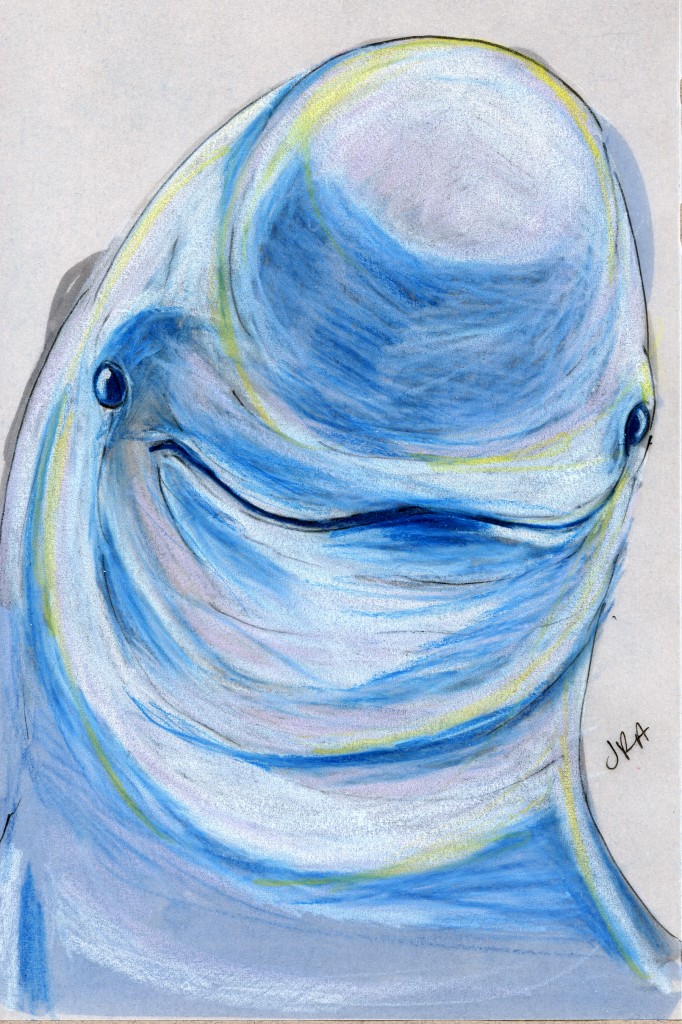
Beluga whale (click image to enlarge)

Beluga whale (click image to enlarge)


0264

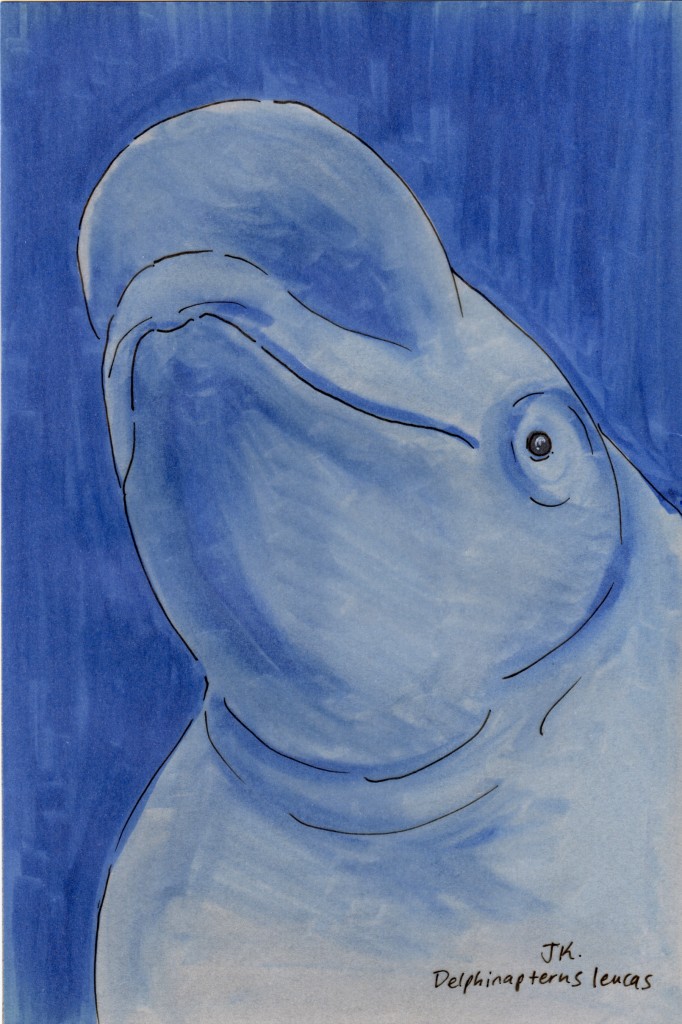
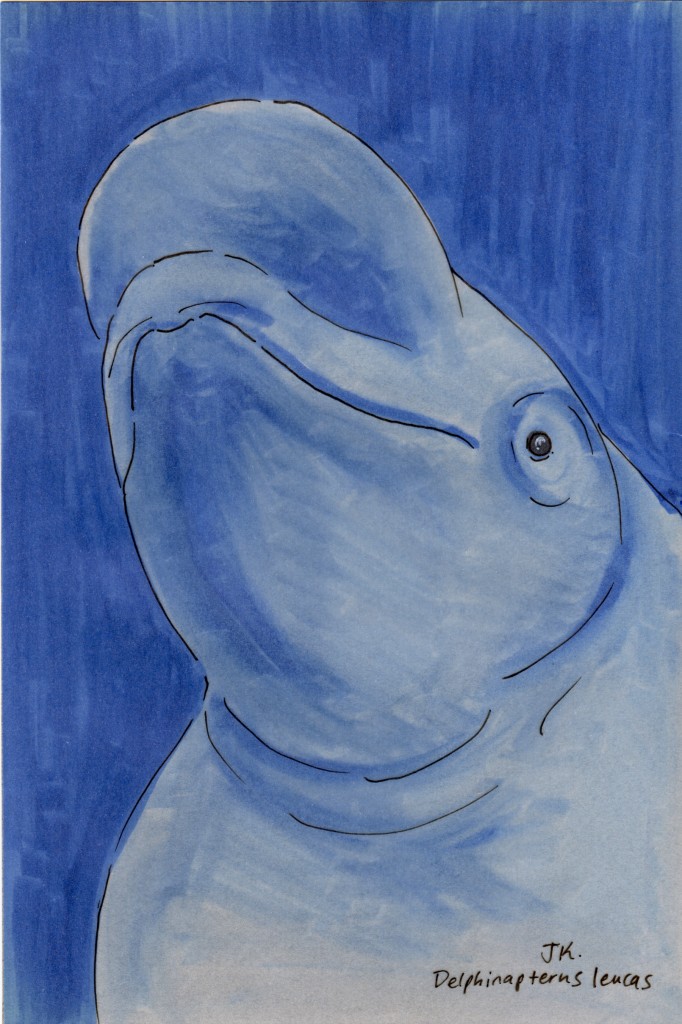
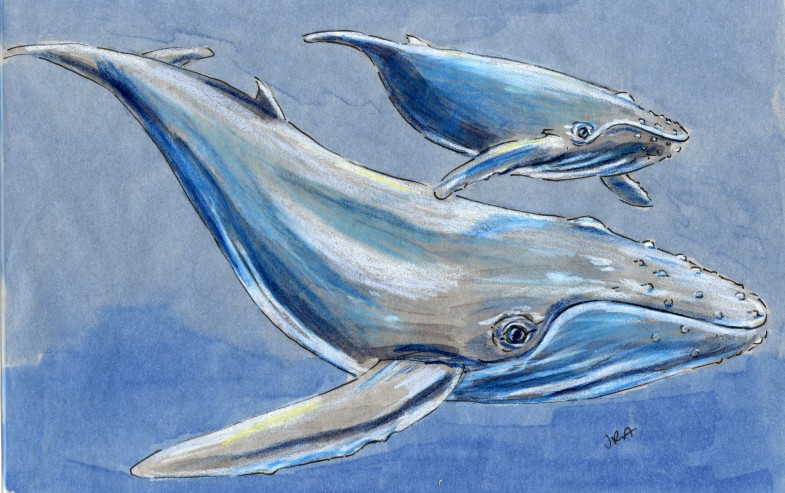
The beluga whale lives throughout the arctic waters of the world. It’s gray when it’s born and gets lighter until it’s five or six, at which point it’s completely white. Belugas have been called sea canaries because of their elaborate echolocations and vocalizations. Overall, they’re doing pretty well, population-wise, but some subpopulations are threatened, generally by hunting, climate change, habitat loss, or sea traffic.

The melon-like bulge on the top of the beluga whale’s head is called a melon! According to the American Cetacean Society, “The rounded melon on its head contains oil, and the whale can change the shape of the melon. Scientists believe that the melon plays a part in the beluga’s echolocation system.”

You can listen to the beluga whale’s many different sounds at this page on the National Geographic website, and you can listen to Raffi’s wonderful song “Baby Beluga” on his MySpace page (highly recommended!). “Baby beluga in the deep blue sea, swim so wild and you swim so free. Heaven above you and the sea below, and a little white whale on the go…”

{ 4 comments }

Guadalupe fur seal (click image to enlarge)

Guadalupe fur seal (click image to enlarge)


0257

Between yesterday’s squirrel and this seal today, I’m thinking about just going ahead and declaring this Interesting Ears Week.

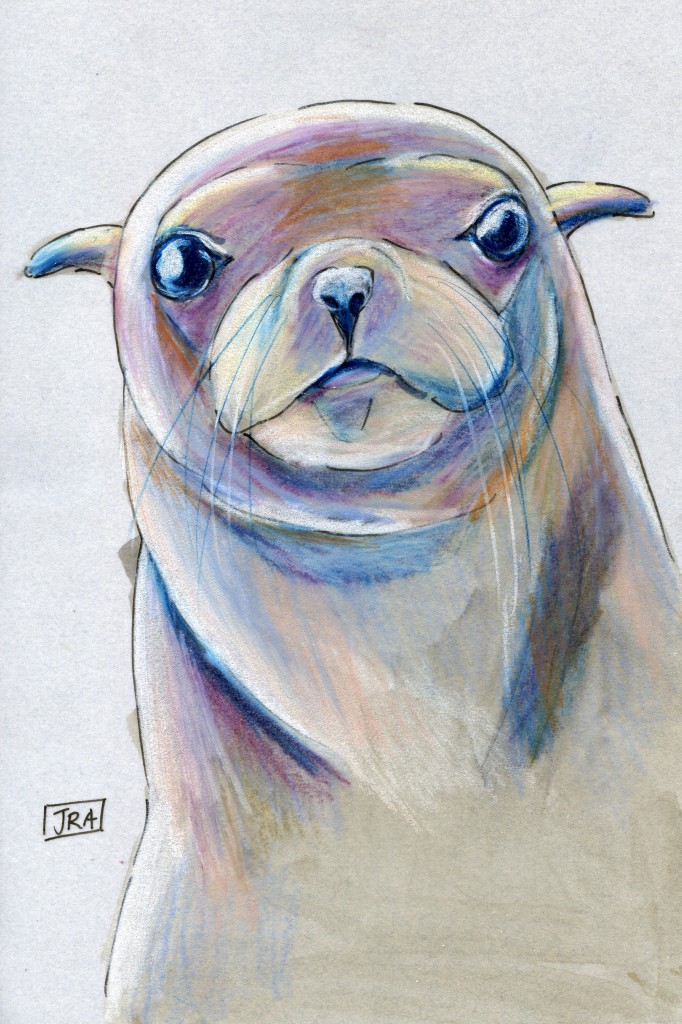
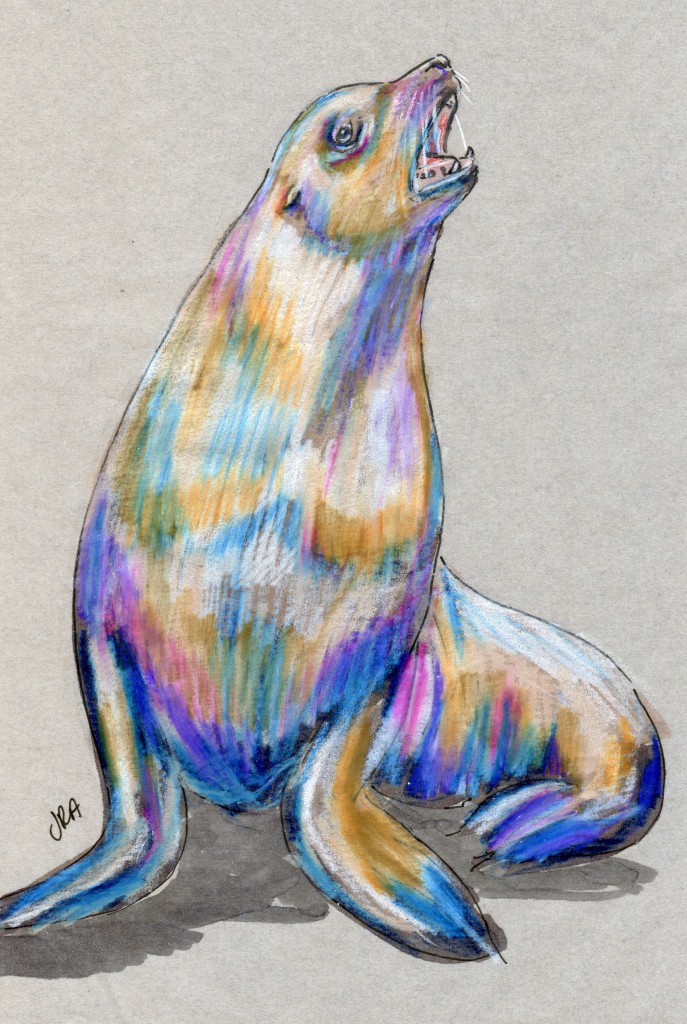
The Guadalupe fur seal, as a species, has a dramatic story, full of hope and heartbreak. Once numerous from the Revillagigedo Islands of Mexico to the Farallones off of San Francisco, the seals were hunted so relentlessly in the 19th century that they were thought to be extinct from 1895 to 1926. Then, some fishermen “discovered” a group of them on Guadalupe Island, off Baja California. What did these fishermen do with these invaluable seals, thought lost forever? Why, killed them, of course.

Everyone thought they were gone for good again, but in 1949, one bull was spotted, and in 1954, people found a group on Guadalupe Island. In the half-century since then, and thanks to legal protection in both Mexico and the United States, the seals have made it back up to the Farallones once more, and their population is increasing.

{ 0 comments }