Read more Mammalthon Donation to the Red Cross Apr 12, 2011 by JR Kinyak I just donated the second half of our Japan Mammalthon proceeds... Read more
Read more Thank you for a successful Mammalthon! Apr 5, 2011 by JR Kinyak Hi Mammals, The fundraiser for the mammals of Japan is over,... Read more
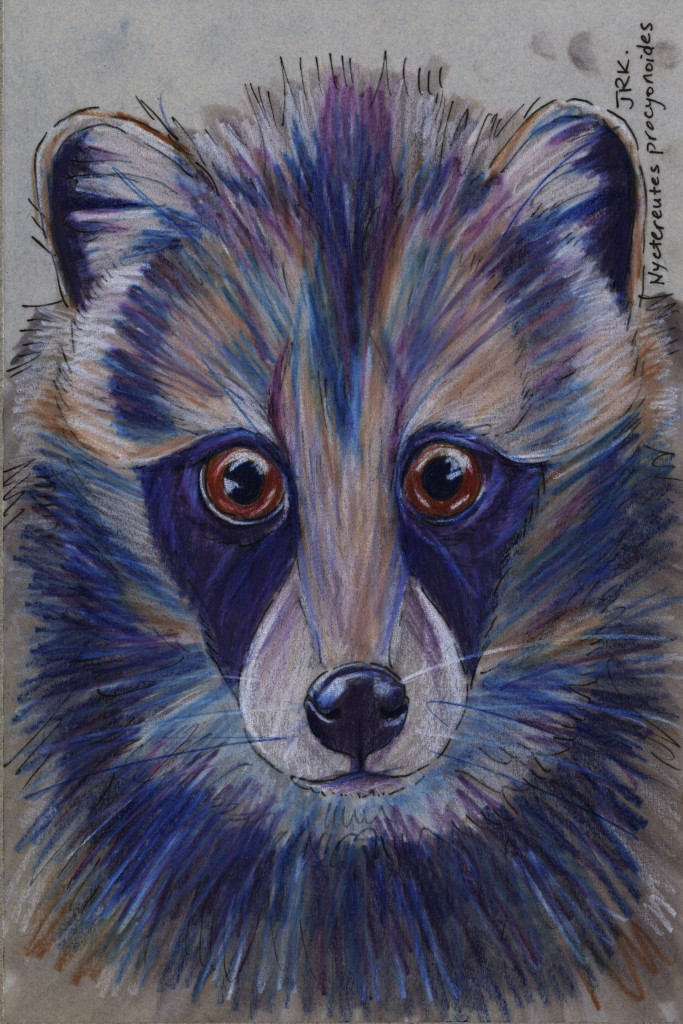
Read more Japan Benefit: タヌキ (Raccoon Dog) (Nyctereutes procyonoides) Apr 2, 2011 by JR Kinyak Today is the final day of our fundraising effort to help Japan.... Read more
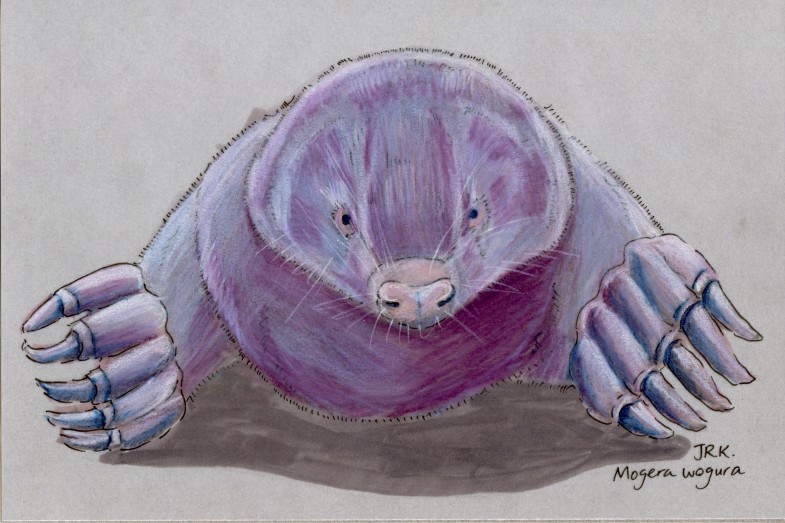
Read more Japan Benefit: コウベモグラ (Japanese Mole) (Mogera wogura) Apr 1, 2011 by JR Kinyak This week’s Daily Mammal drawings are of mammals of... Read more
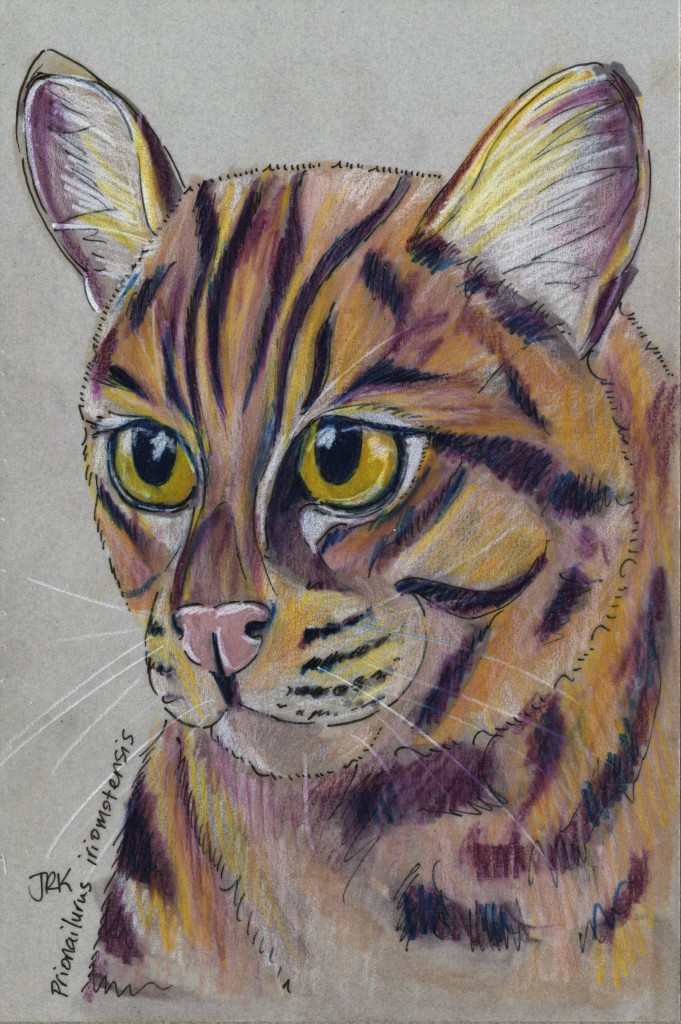
Read more Japan Benefit: イリオモテヤマネコ (Iriomote Cat) (Prionailurus iriomotensis) Mar 31, 2011 by JR Kinyak All week, my daughter Coco and I are selling our drawings of... Read more
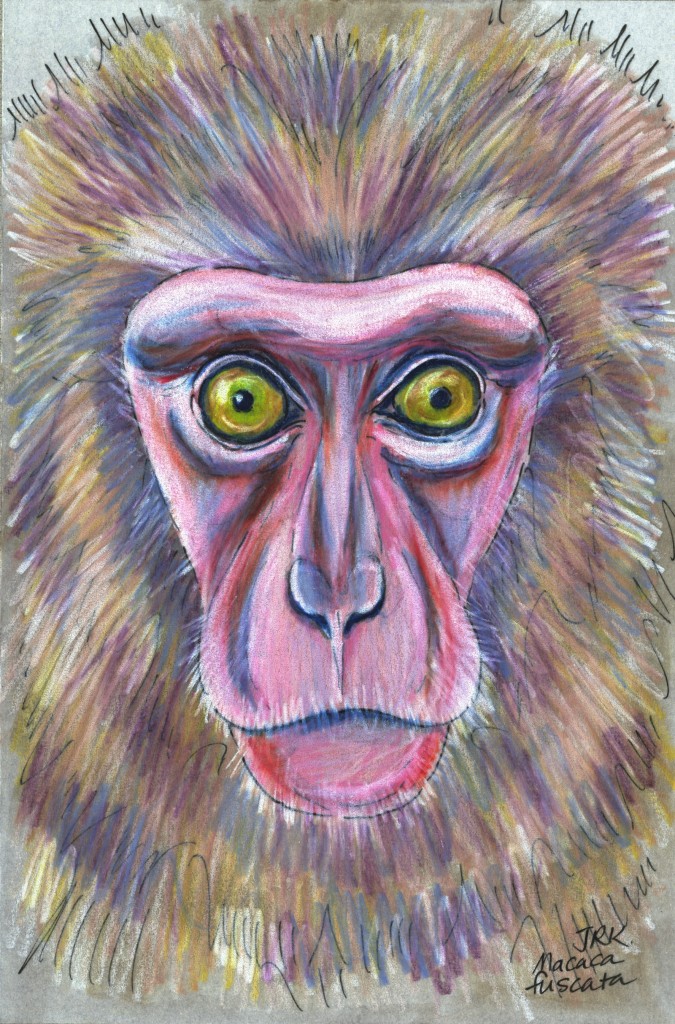
Read more Japan Benefit: ニホンザル (Japanese Macaque) (Macaca fuscata) Mar 30, 2011 by JR Kinyak This week’s drawings, by me and by Coco, are for sale to... Read more
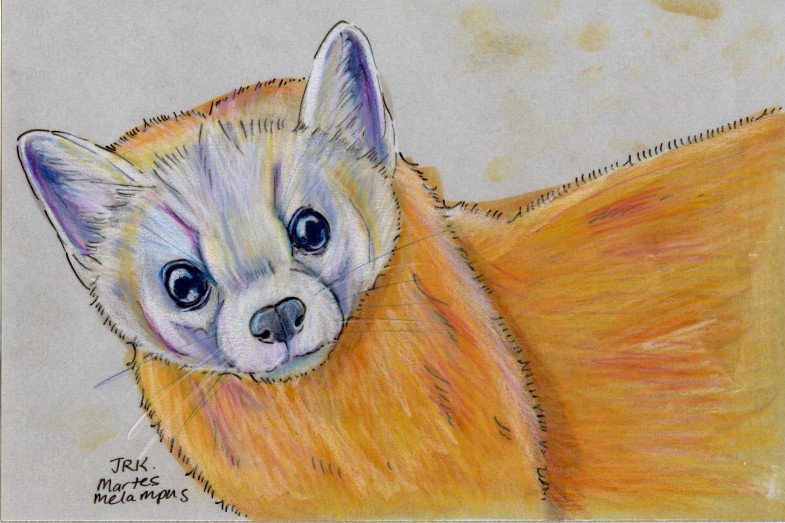
Read more Japan Benefit: テン (Japanese Marten) (Martes melampus) Mar 29, 2011 by JR Kinyak This week we’re selling our drawings to benefit Japan!... Read more
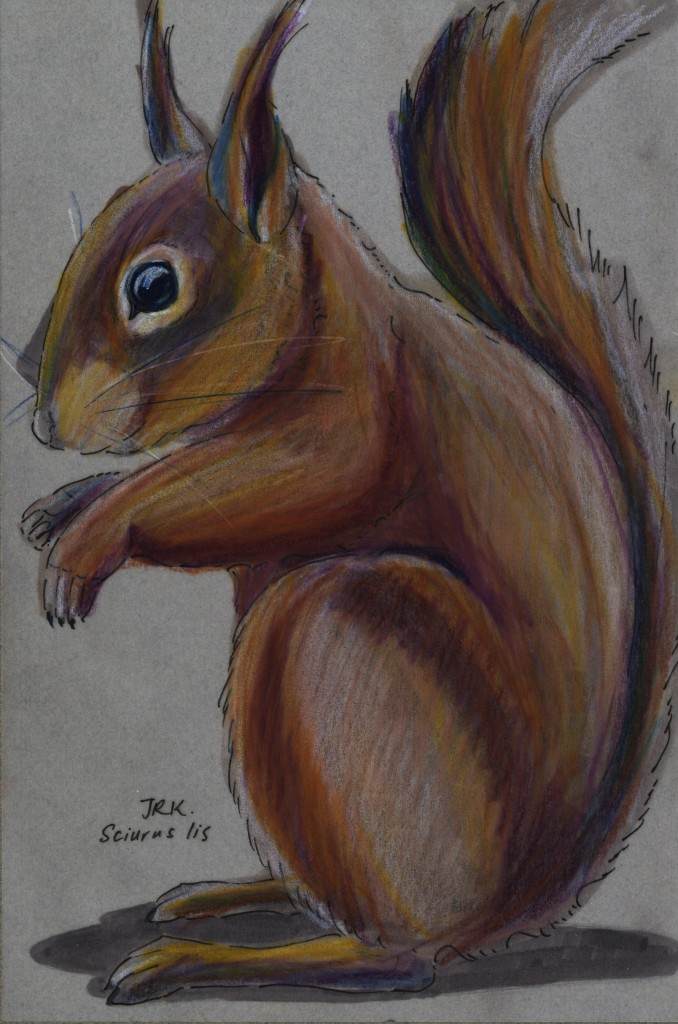
Read more Japan Benefit: ニホンリス (Japanese Squirrel) (Sciurus lis) Mar 28, 2011 by JR Kinyak This week we’re raising money for people and animals in... Read more
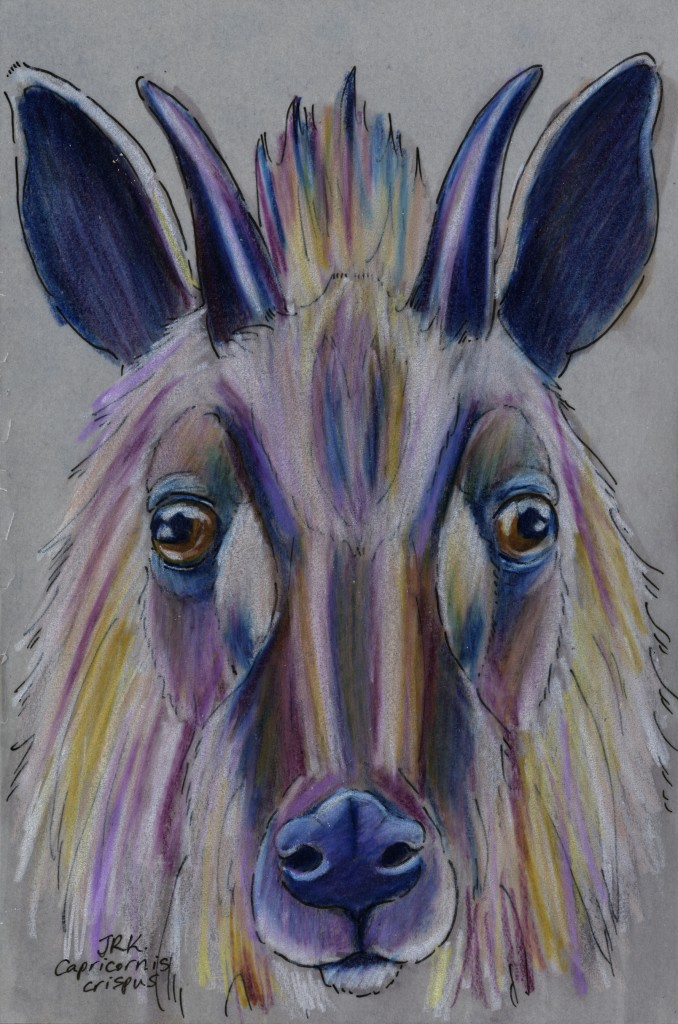
Read more Japan Benefit: ニホンカモシカ (Japanese Serow) (Capricornis crispus) Mar 27, 2011 by JR Kinyak Today begins our week-long Mammalthon to benefit Japan. As... Read more
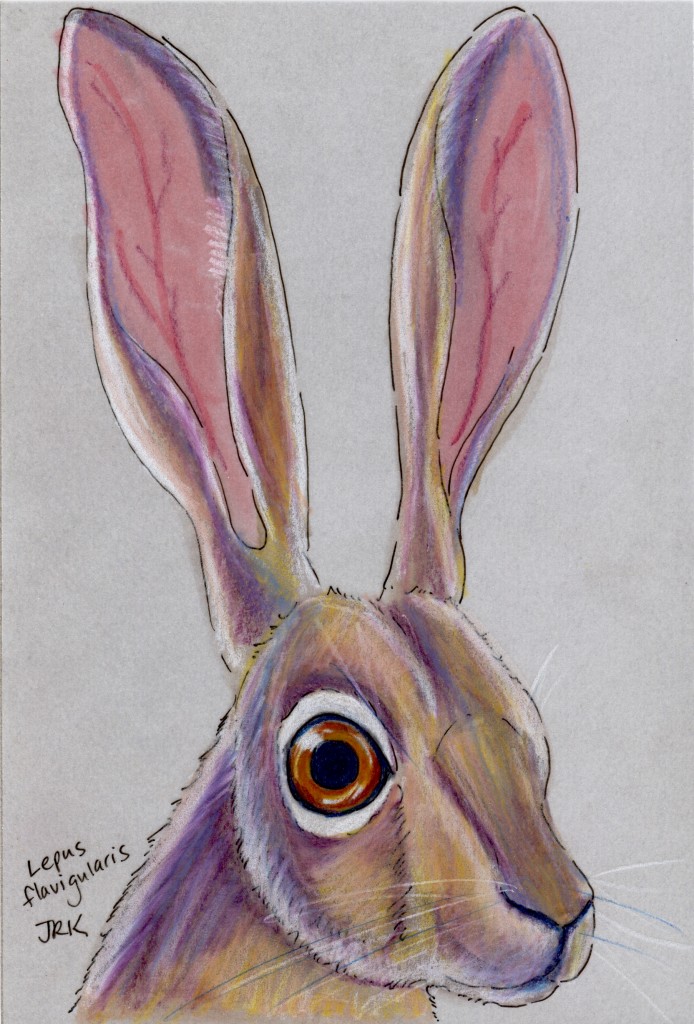
Read more Tehuantepec Jackrabbit (Lepis flavigularis) Mar 24, 2011 by JR Kinyak Before we meet a long-eared jackrabbit from Mexico, an... Read more
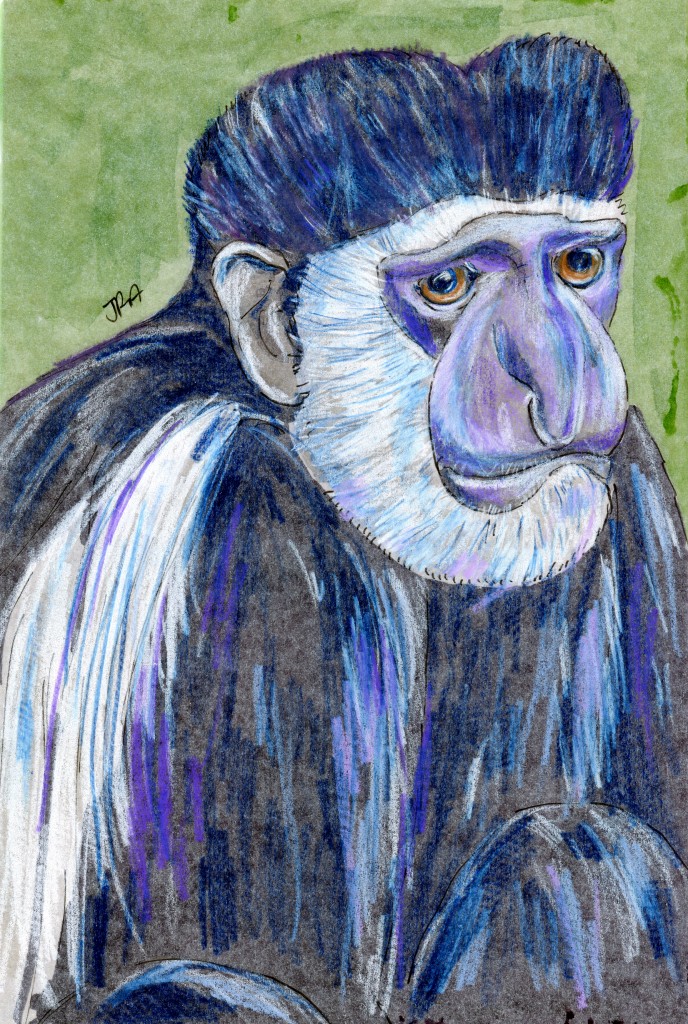
Read more Mammalthon 2: Guereza (Colobus guereza) May 14, 2008 by JR Kinyak Number 0167 Last one! That was sure a looooong 24 hours,... Read more
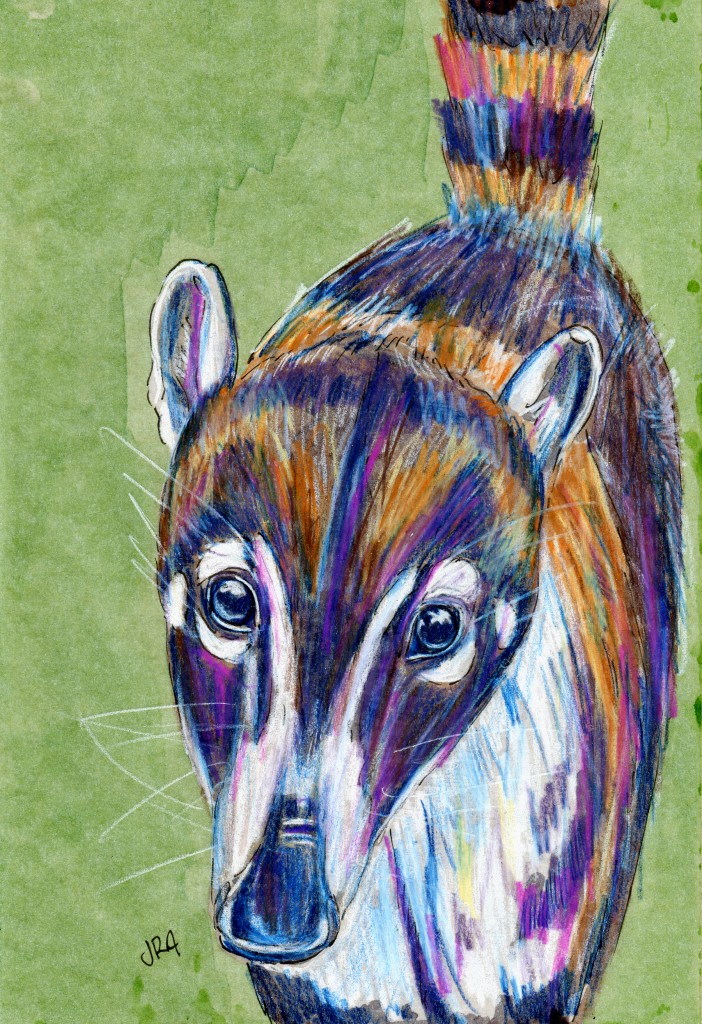
Read more Mammalthon 2: White-Nosed Coati (Nasua narica) May 13, 2008 by JR Kinyak Number 0166 My dad asked me to draw him a coatimundi. It turns... Read more
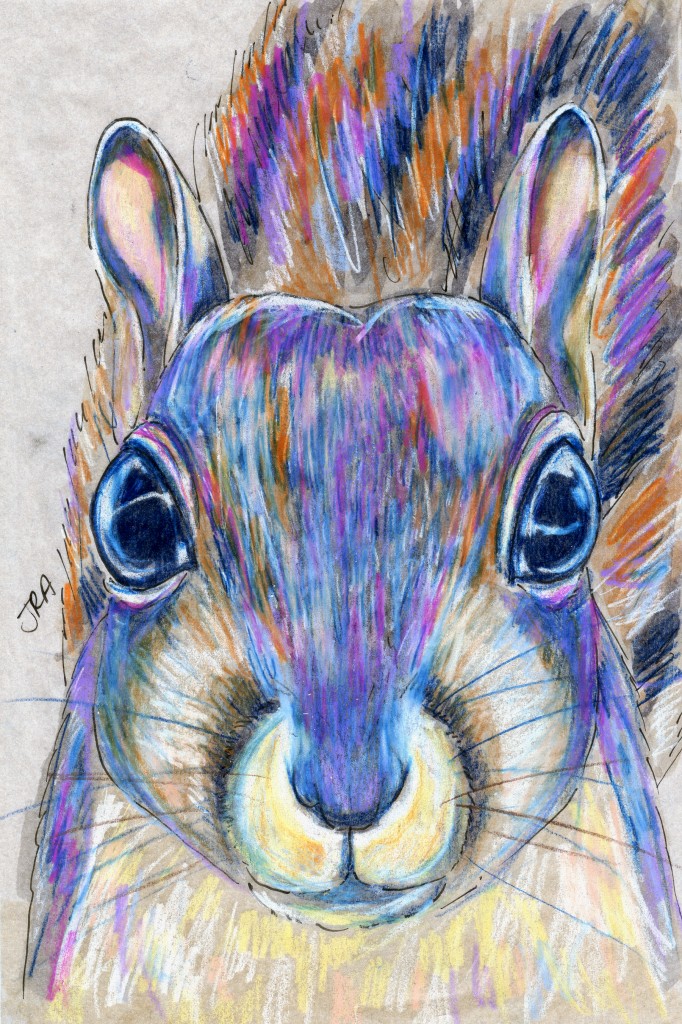
Read more Mammalthon 2: Fox Squirrel (Sciurus niger) May 12, 2008 by JR Kinyak Number 0165 Mammals, there are only two more drawings after... Read more
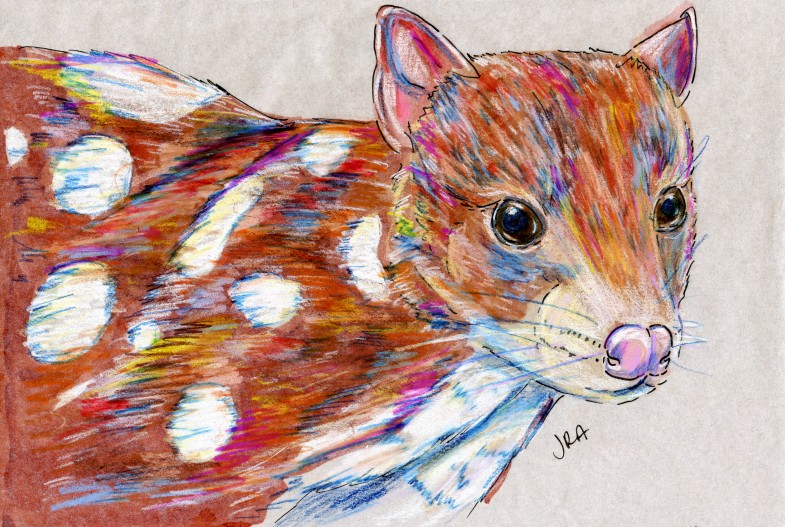
Read more Mammalthon 2: Spotted-Tailed Quoll (Dasyurus maculatus) May 11, 2008 by JR Kinyak Number 0164 Quolls are one of those wonderful carnivorous... Read more
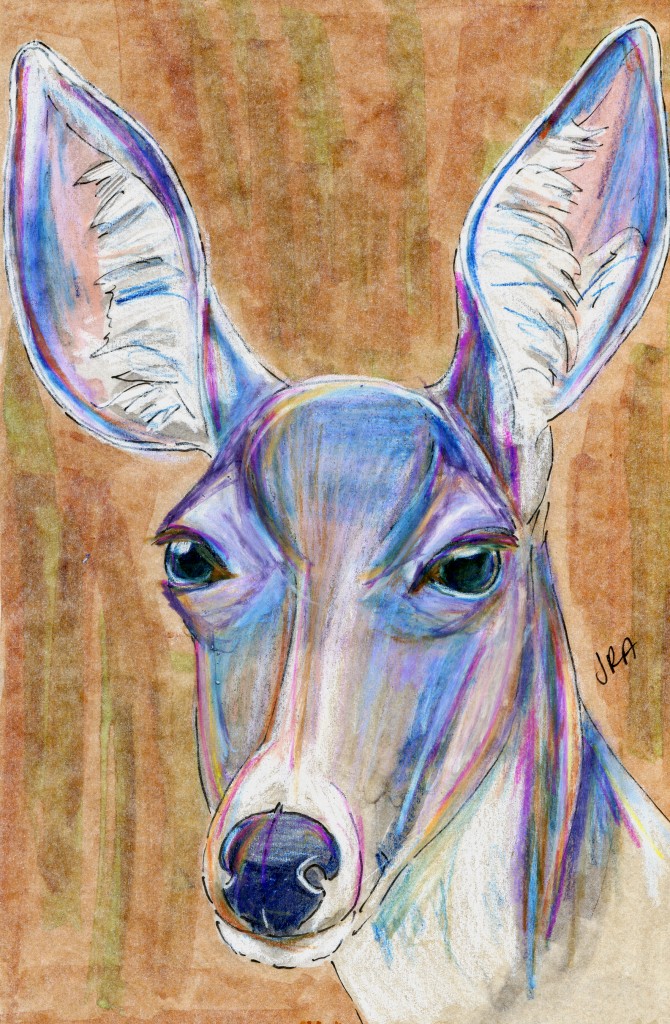
Read more Mammalthon 2: Mule Deer (Odocoileus hemionus) May 11, 2008 by JR Kinyak Number 0163 My dad requested, among other mammals (thanks,... Read more
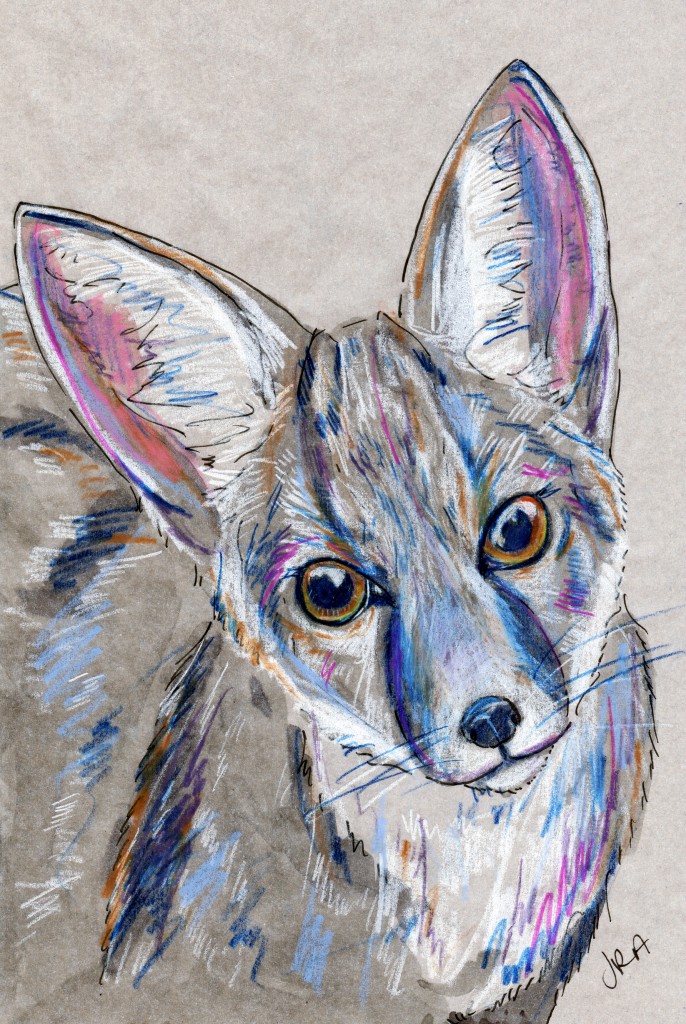
Read more Mammalthon 2: Kit Fox (Vulpes macrotis) May 9, 2008 by JR Kinyak Number 0162 My uncle Jay, a great uncle in more than one way,... Read more
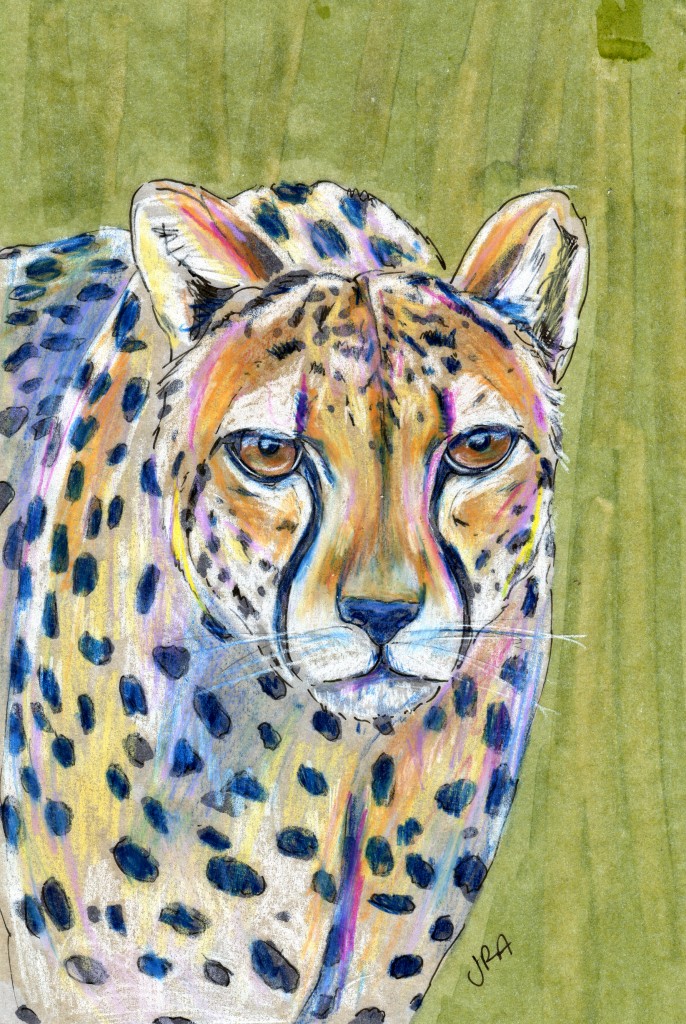
Read more Mammalthon 2: Cheetah (Acinonyx jubatus) May 8, 2008 by JR Kinyak Here is a cheetah for my tía Yansci, who can go nearly as fast... Read more
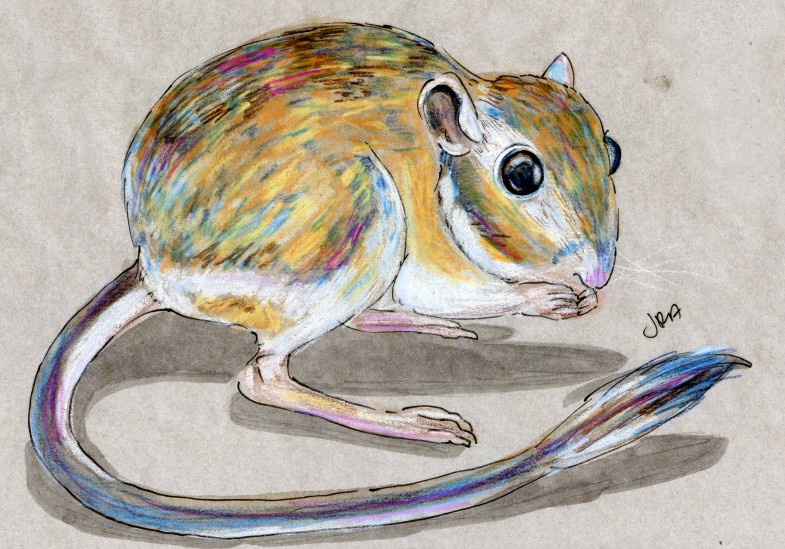
Read more Mammalthon 2: Ord’s Kangaroo Rat (Dipodomys ordii) May 8, 2008 by JR Kinyak Number 0161 This kangaroo rat is for Tynan, who recently... Read more
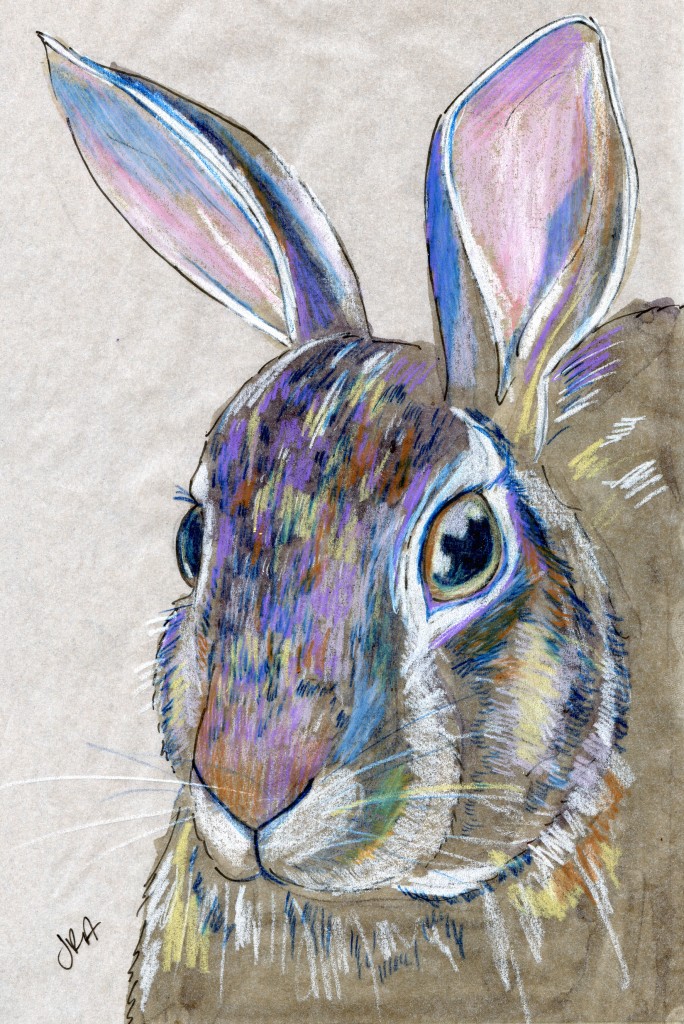
Read more Mammalthon 2: Eastern Cottontail (Sylvilagus floridanus) May 6, 2008 by JR Kinyak Number 0160 Here is a cottontail for Sonja. It’s the same... Read more
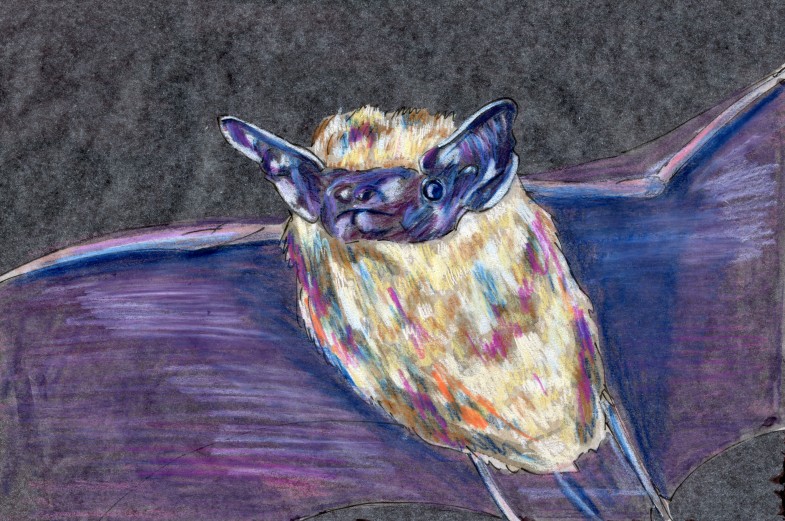
Read more Mammalthon 2: Western Pipistrelle (Pipistrellus hesperus) May 6, 2008 by JR Kinyak Number 0159 Here’s a little bat for Melinda! In fact, the... Read more
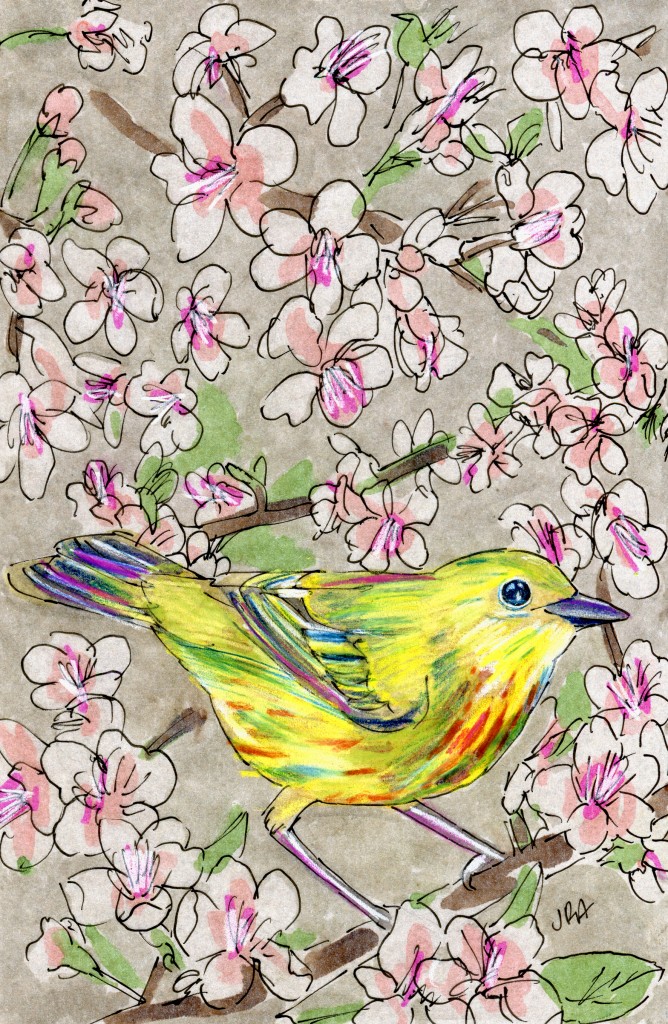
Read more Mammalthon 2: Yellow Warbler (Dendroica petechia) May 6, 2008 by JR Kinyak This little bird (requested by Mary) is here to say that... Read more
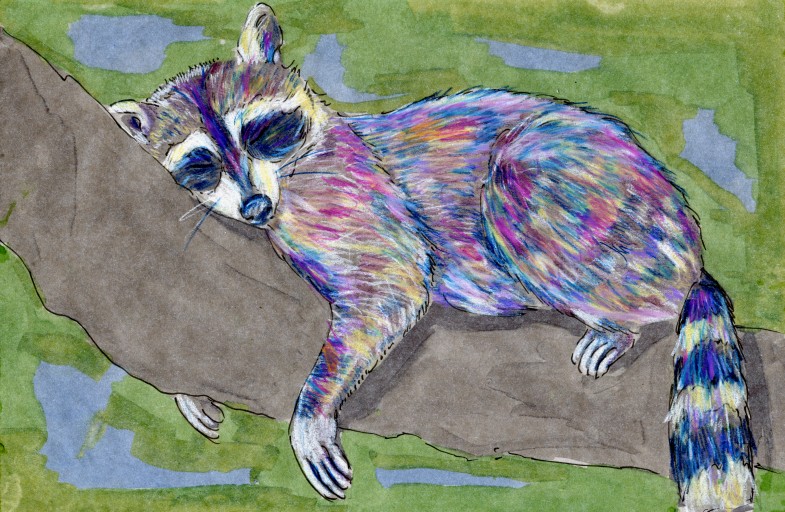
Read more Mammalthon 2: Raccoon (Procyon lotor) May 5, 2008 by JR Kinyak For Roger, a raccoon! This one is sleeping the day away, just... Read more
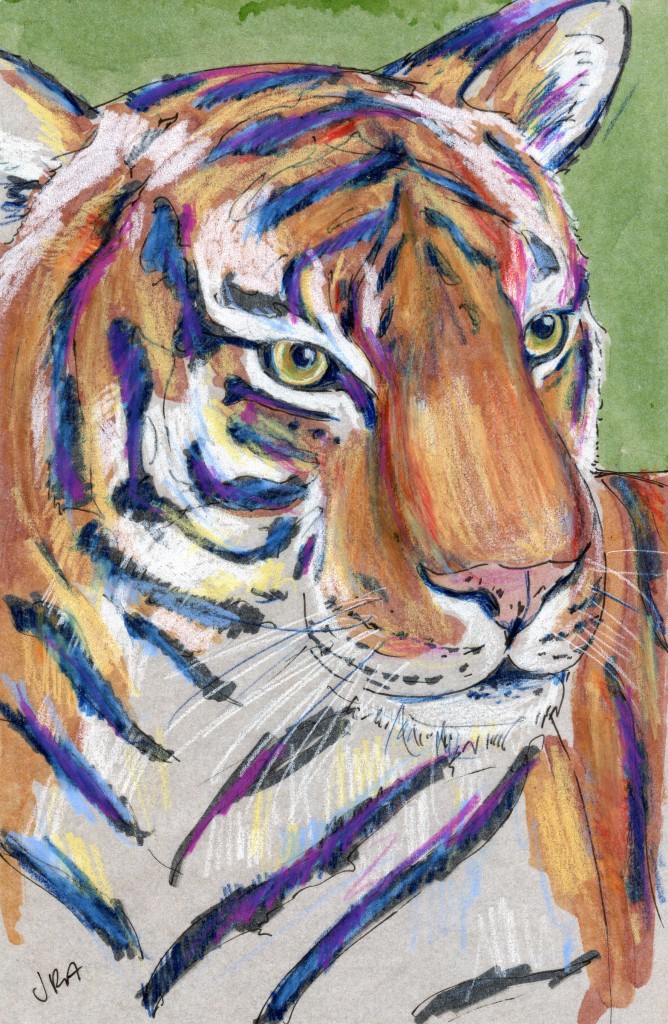
Read more Mammalthon 2: Tiger (Panthera tigris) May 4, 2008 by JR Kinyak If you’re still sticking around, thanks for sticking... Read more
Read more Mammalthon 2 A Success! May 4, 2008 by JR Kinyak This is Ted, guest-blogging for Jennifer. At 6:20 this morning,... Read more
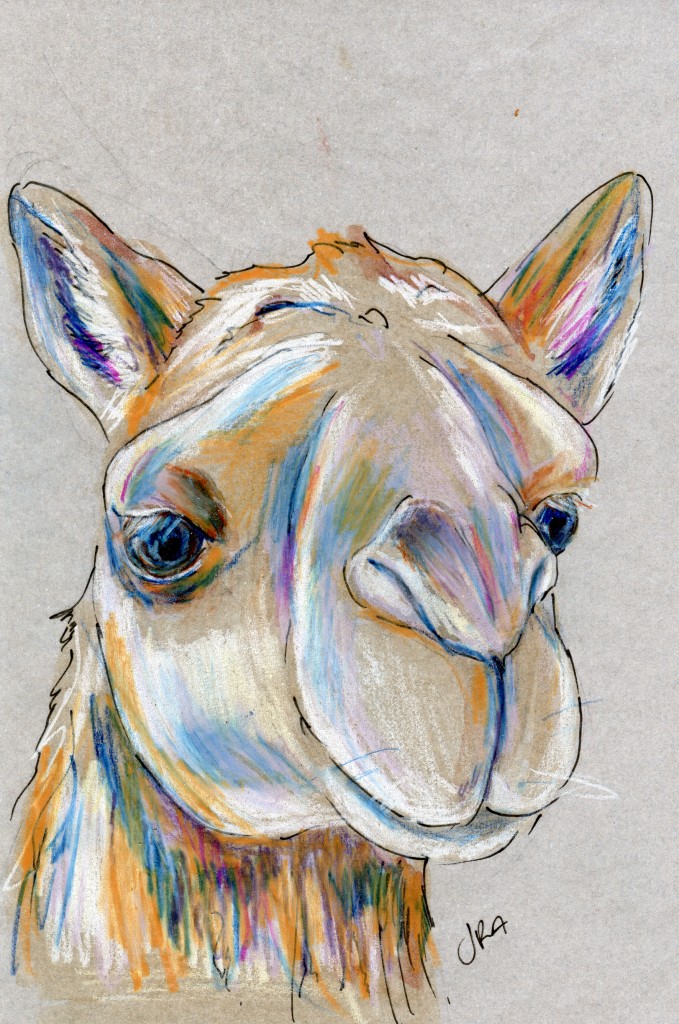
Read more Mammalthon 2: Arabian Camel (Camelus dromedarius) May 4, 2008 by JR Kinyak Number 0158 This camel is for Andy. I used photos he took on... Read more
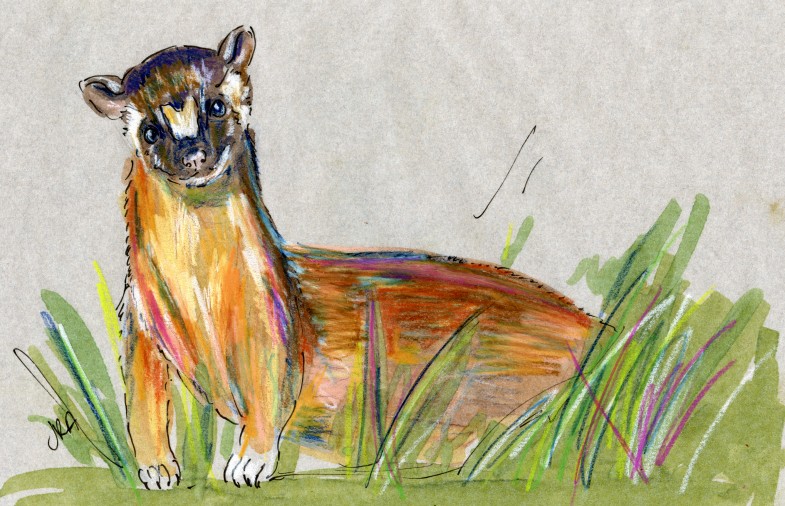
Read more Mammalthon 2: Long-Tailed Weasel (Mustela frenata) May 4, 2008 by JR Kinyak Number 0157 For Marc, a long-tailed weasel. Not shown: its long... Read more
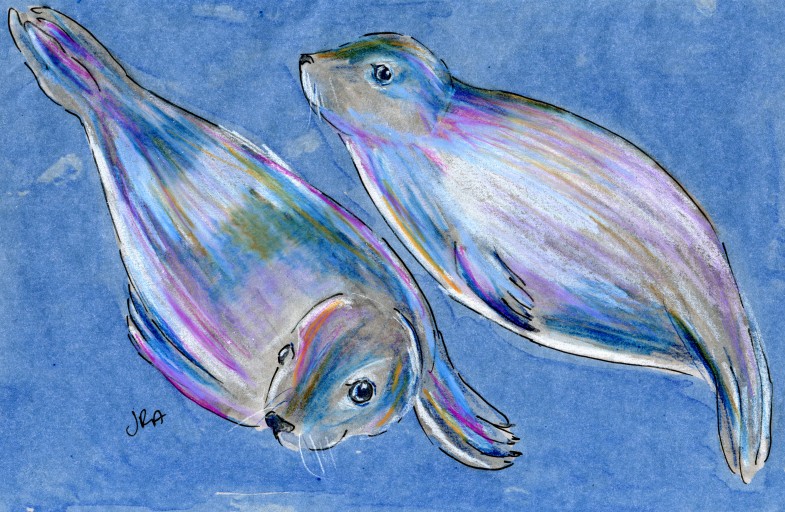
Read more Mammalthon 2: Harbor Seal (Phoca vitulina) May 4, 2008 by JR Kinyak Here are two harbor seals that will be waiting for Heather when... Read more
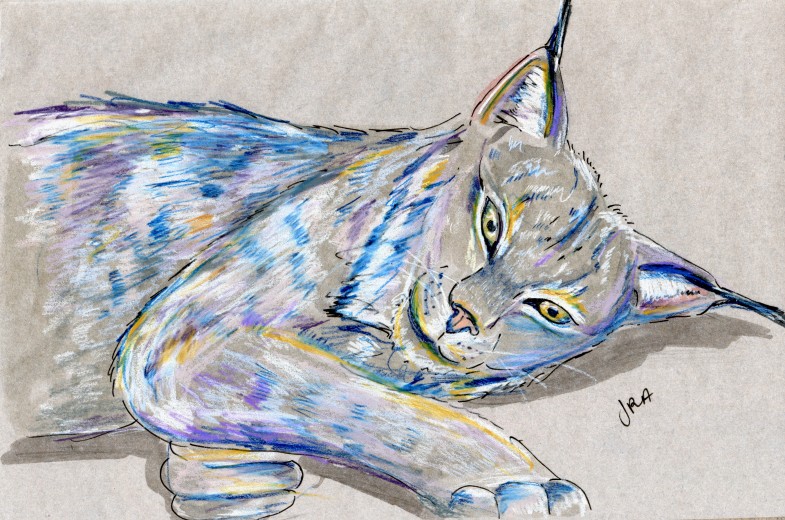
Read more Mammalthon 2: Canada Lynx (Lynx canadensis) May 4, 2008 by JR Kinyak Number 0156 Here is a lynx for Ramona, who has seen one in... Read more
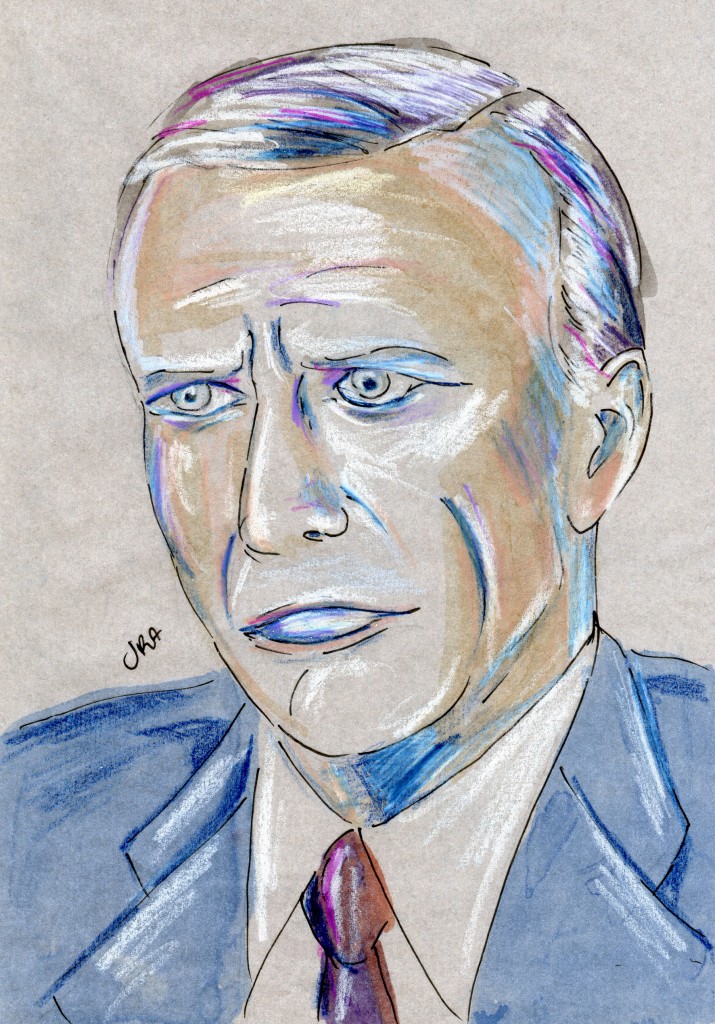
Read more Mammalthon 2: The Governor of Hawaii (Homo sapiens) May 4, 2008 by JR Kinyak Ah well. I tried, but I still can’t draw Governor Paul... Read more
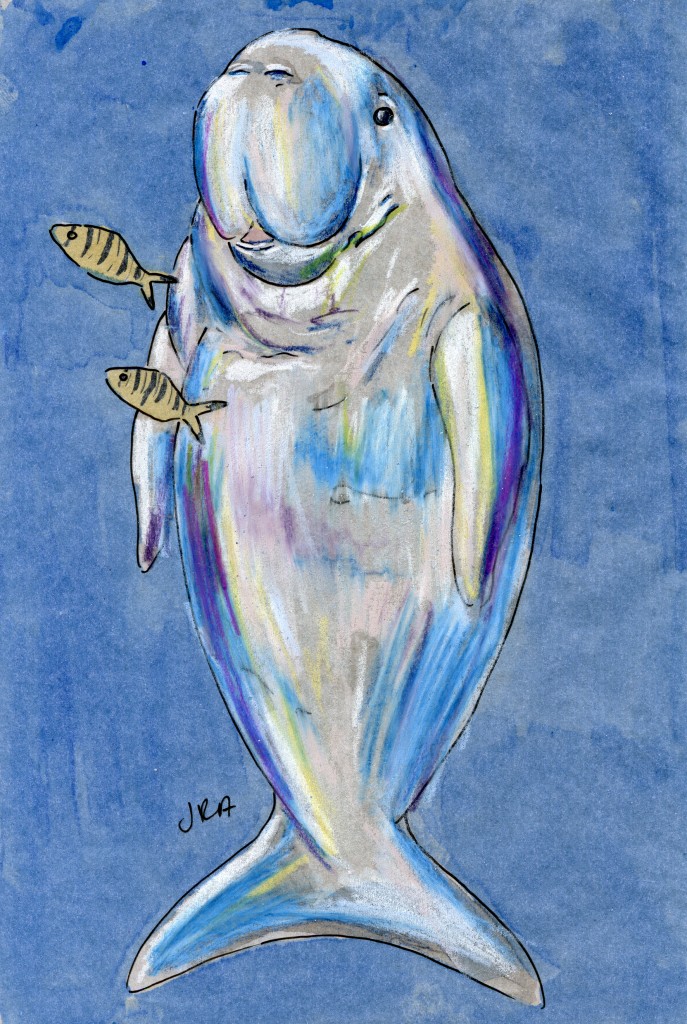
Read more Mammalthon 2: Dugong (Dugong dugon) May 4, 2008 by JR Kinyak Number 0155 These manatee relatives are big, slow-moving,... Read more
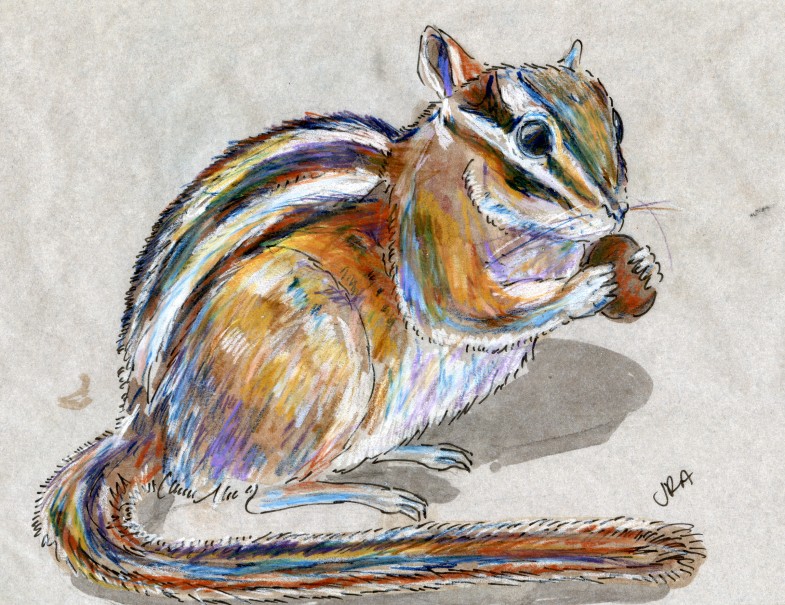
Read more Mammalthon 2: Least Chipmunk (Tamias minimus) May 4, 2008 by JR Kinyak Number 0154 This little guy is for my tia Leah. The wee least... Read more
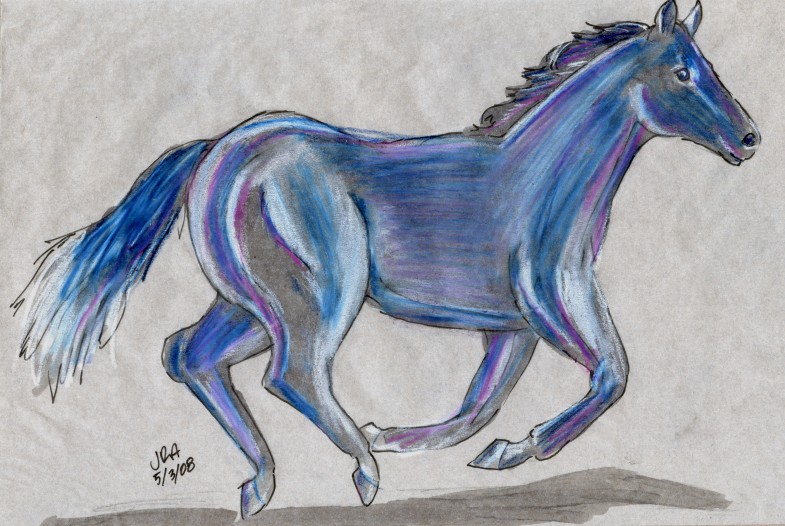
Read more Eight Belles May 3, 2008 by JR Kinyak Number 0153 If you know me, you know that I’m a long-time... Read more