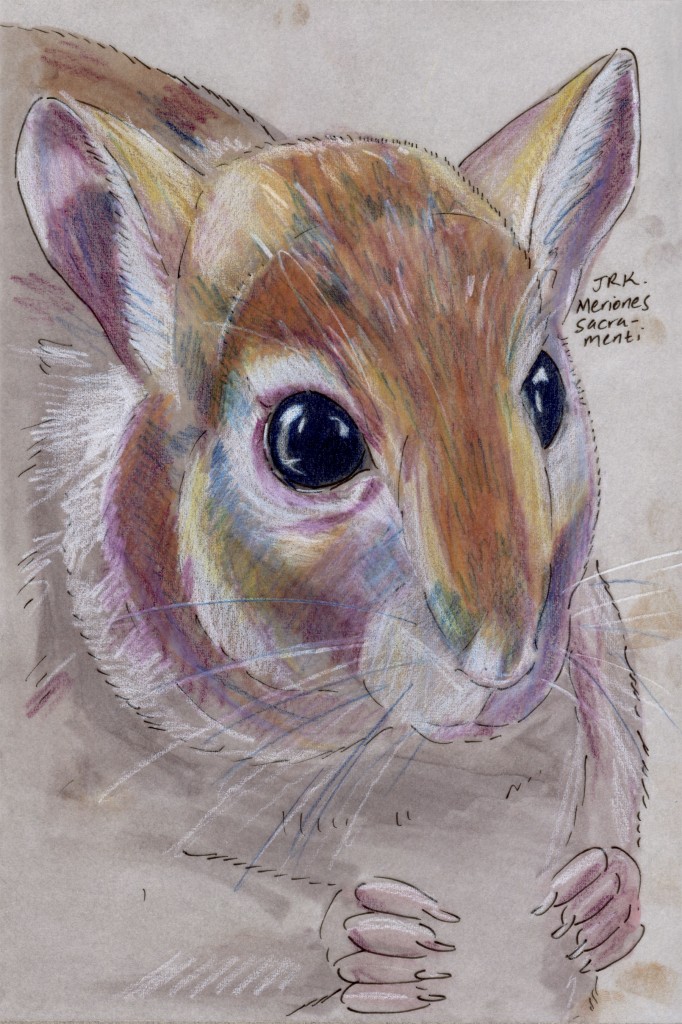
Read more Facebook Friends: Israel: Buxton’s Jird (Meriones sacramenti) Feb 4, 2014 by JR Kinyak 0456 In celebration of the fact that more than 100 people like... Read more
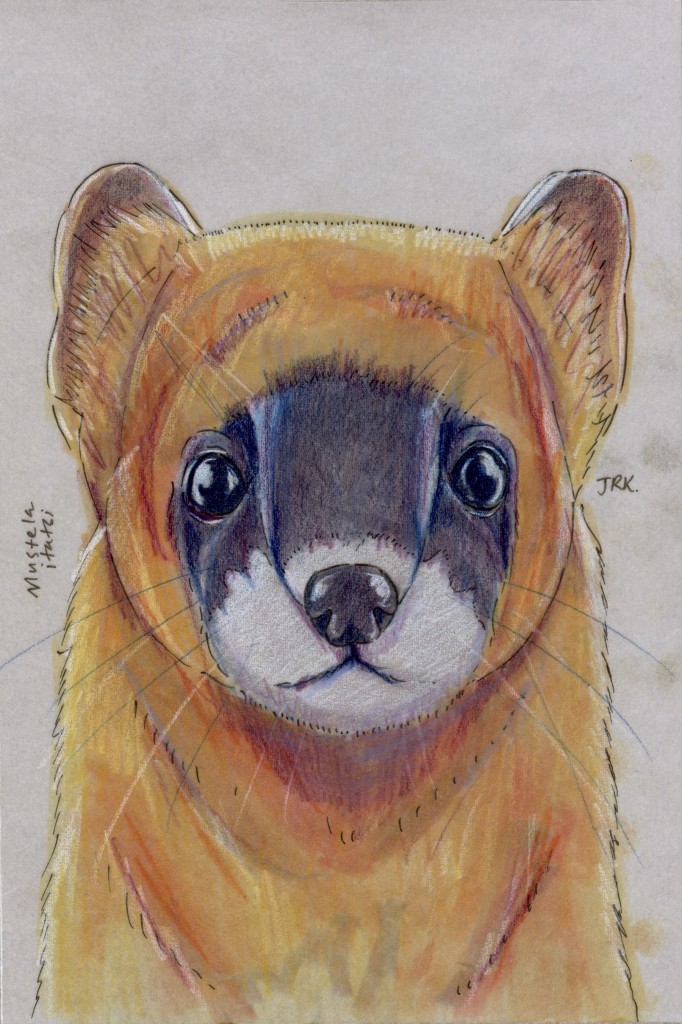
Read more Facebook Friends: Japan: Japanese Weasel (Mustela itatsi) Feb 3, 2014 by JR Kinyak Number 0455 Today we continue appreciating the people who have... Read more
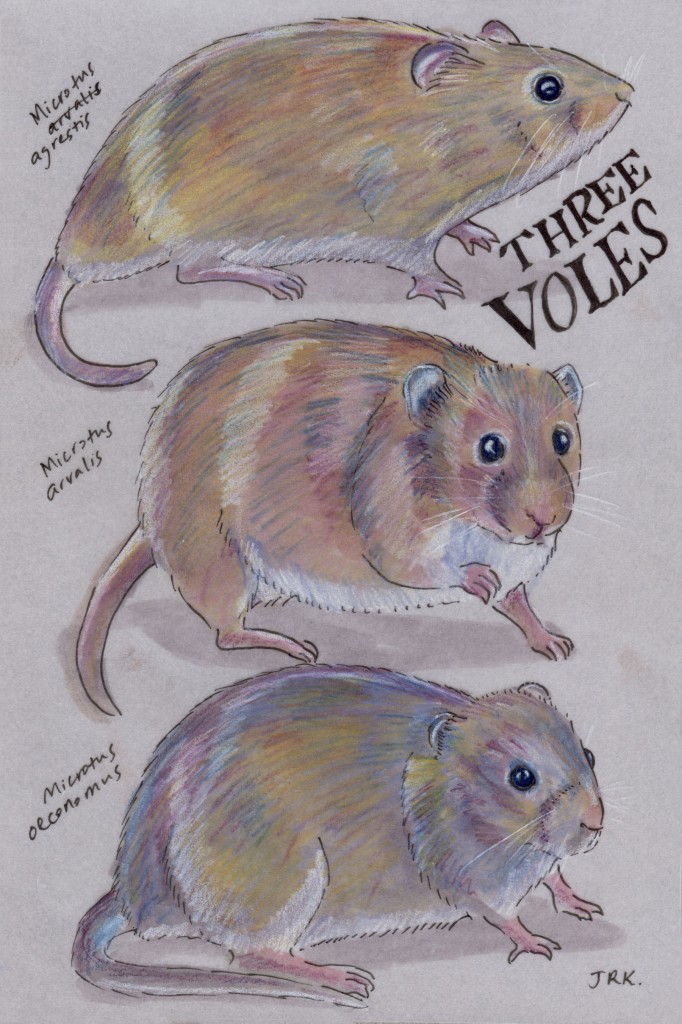
Read more Facebook Friends: Netherlands: Trio of Voles (Microtus spp.) Feb 1, 2014 by JR Kinyak Numbers 0452, 0453, and 0454 I’m continuing my... Read more
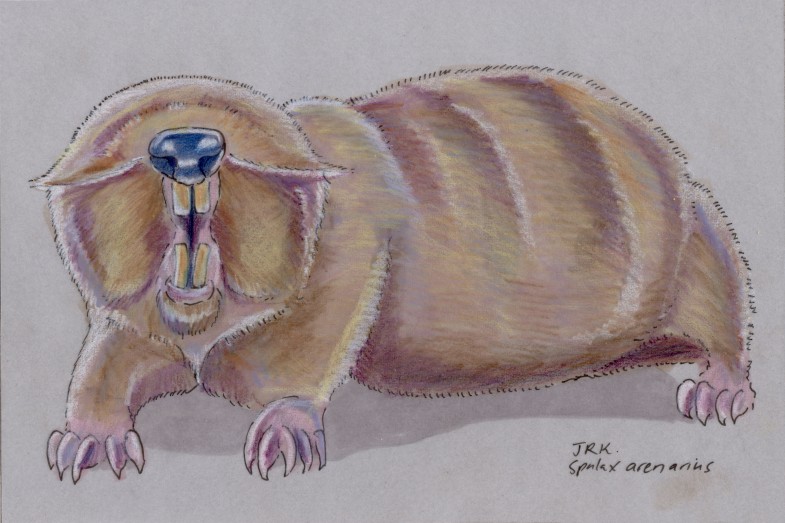
Read more Facebook Friends: Ukraine: Sandy Mole Rat (Spalax arenarius) Jan 30, 2014 by JR Kinyak Number 0451 It’s been a while, mammals! But I’m... Read more
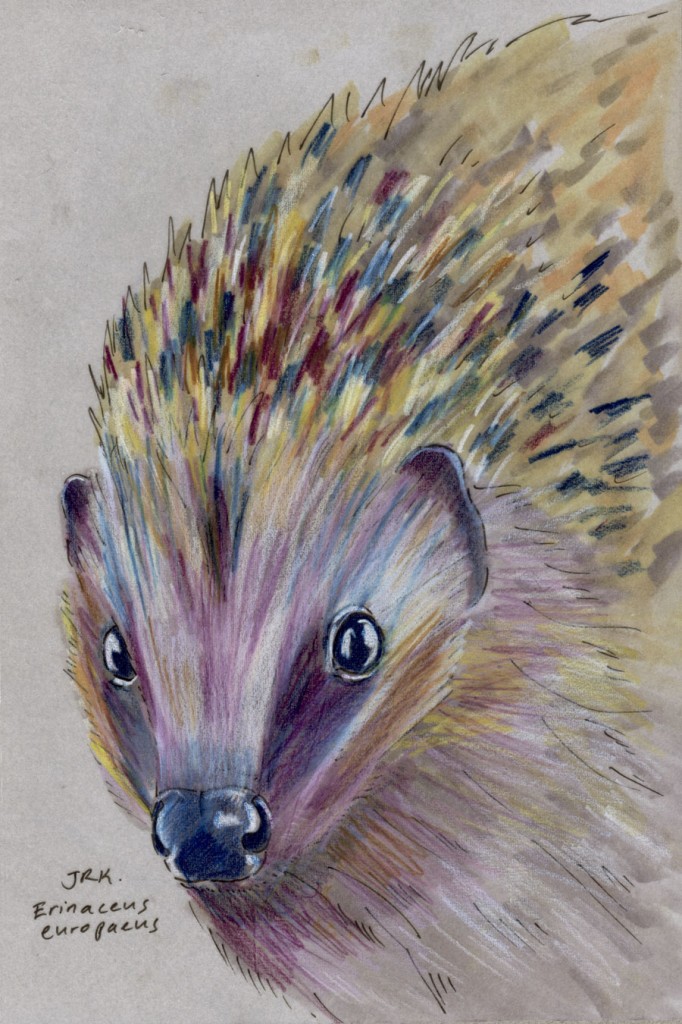
Read more Facebook Friends: United Kingdom: European Hedgehog (Erinaceus europaeus) Sep 17, 2013 by JR Kinyak Number 0450 In appreciation of the 143 people who like the... Read more
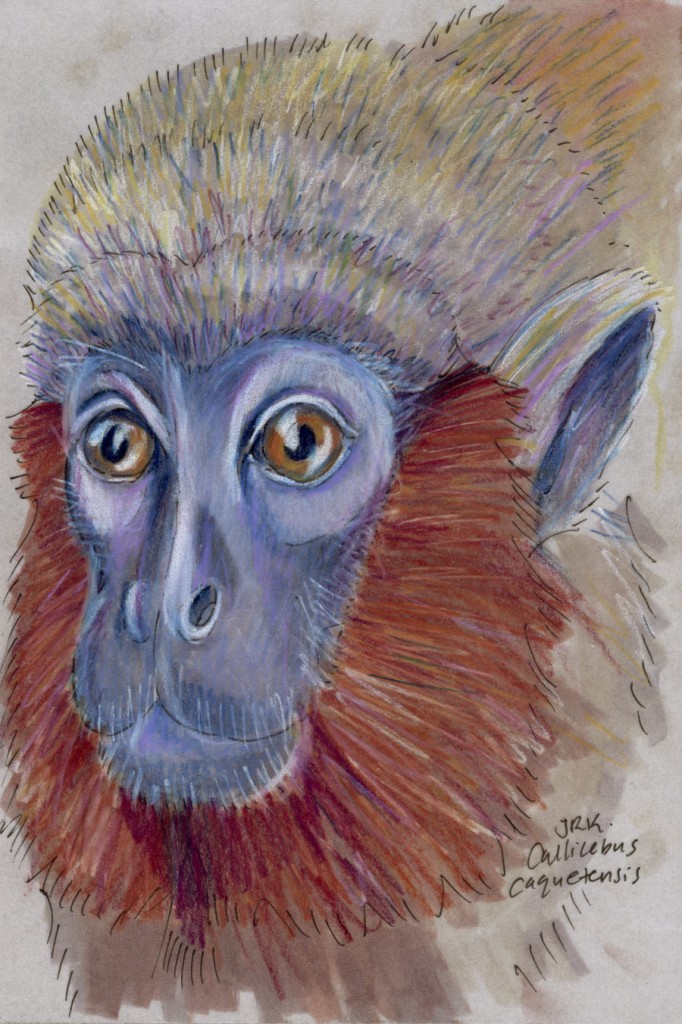
Read more Facebook Friends: Colombia: Caquetá Titi Monkey (Callicebus caquetensis) Sep 5, 2013 by JR Kinyak Number 0449 Here, representing the country of Colombia, where... Read more
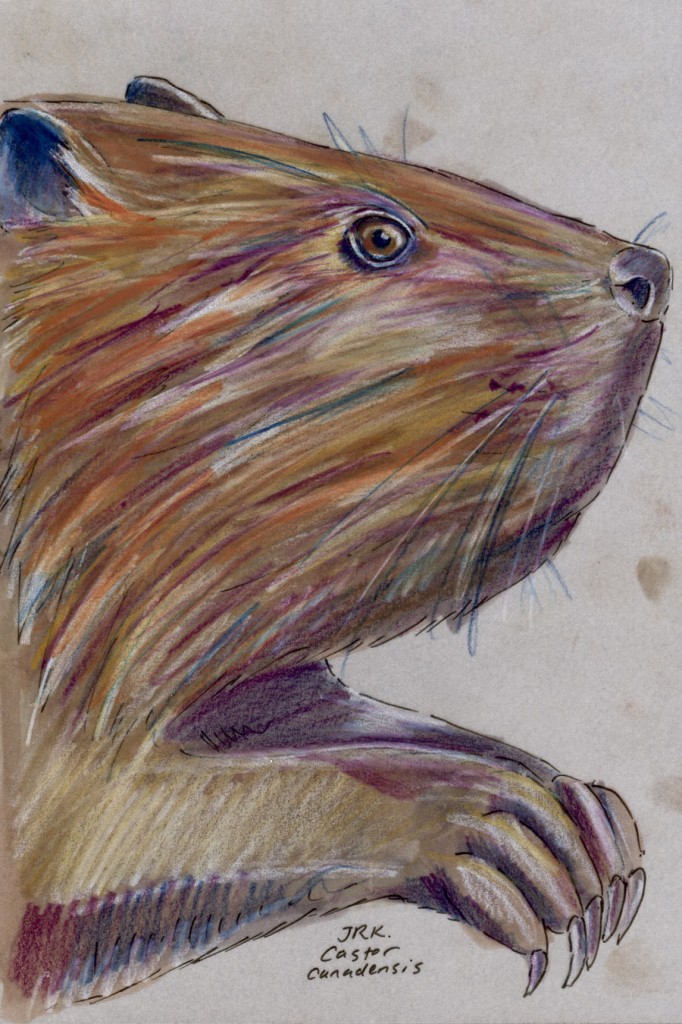
Read more Facebook Friends: Canada: Canadian Beaver (Castor canadensis) Aug 26, 2013 by JR Kinyak Number 0448 Today let’s continue visiting mammals that... Read more
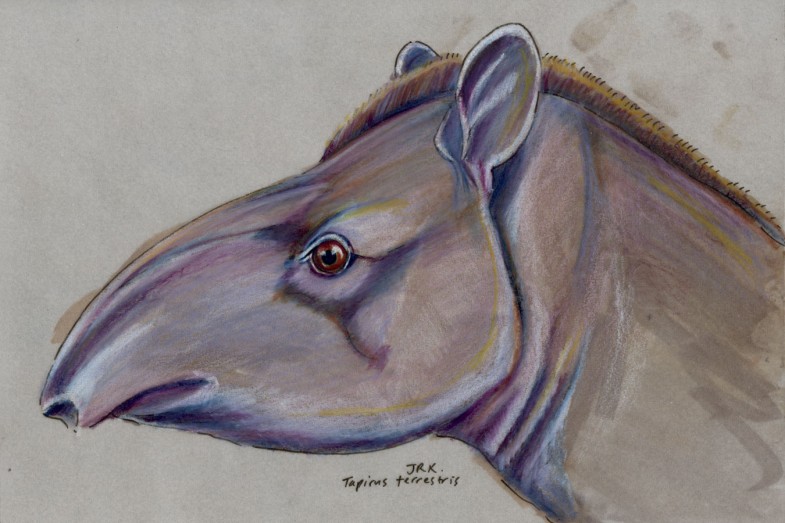
Read more Facebook Friends: Brazil: Brazilian Tapir (Tapirus terrestris) Aug 20, 2013 by JR Kinyak Number 0447 I’m back from my perfect vacation to San... Read more
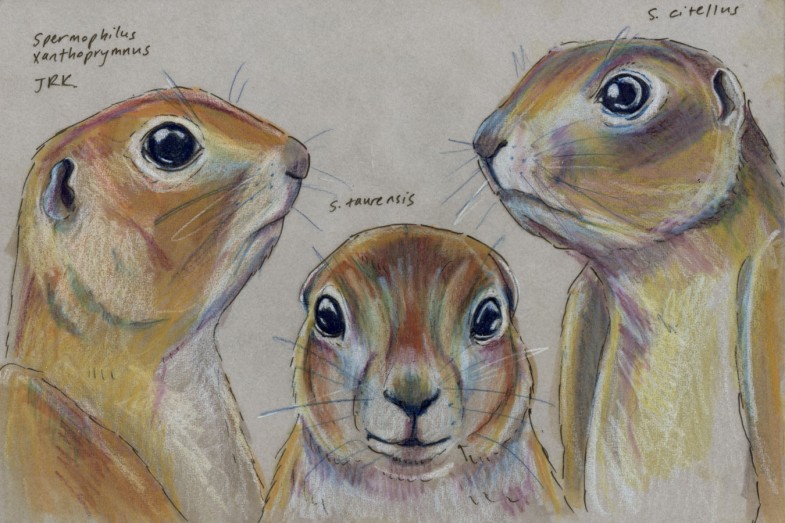
Read more Facebook Friends: Turkey: Trio of Ground Squirrels (Spermophilus spp.) Aug 9, 2013 by JR Kinyak Numbers 0444, 0445, and 0446 To thank the more than 100 people... Read more
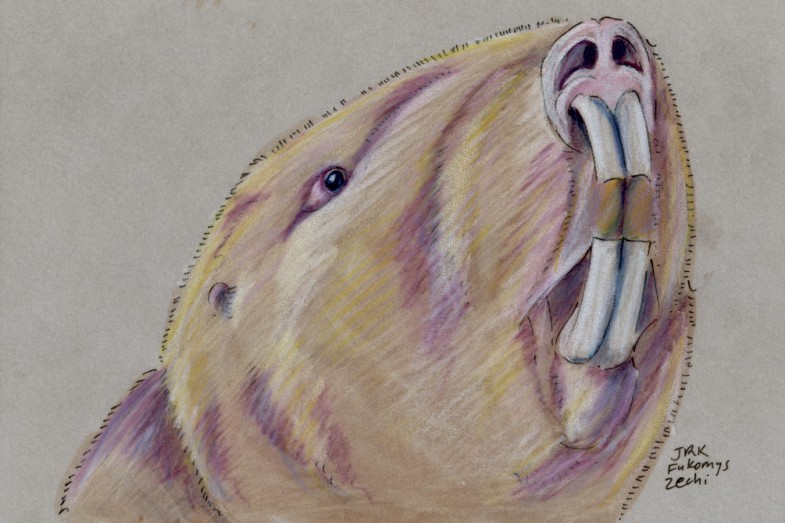
Read more Facebook Friends: Ghana: Ghana Mole Rat (Fukomys zechi) Aug 7, 2013 by JR Kinyak Number 0443 Let’s continue our look at the mammalian... Read more
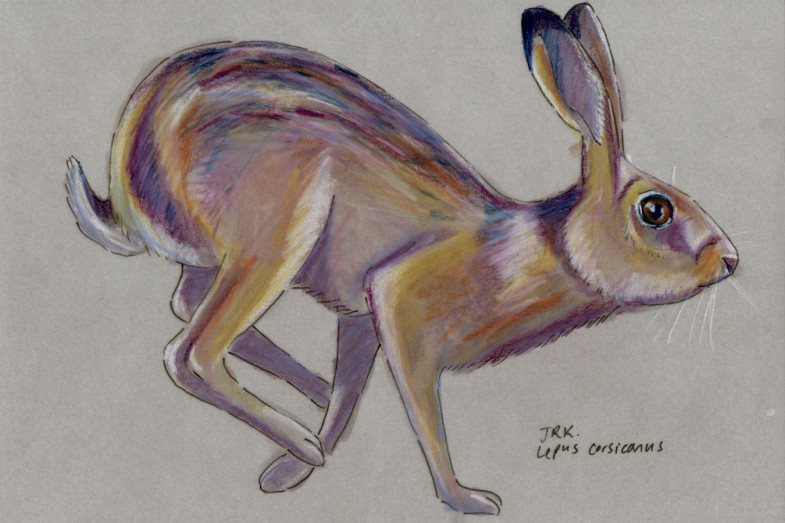
Read more Facebook Friends: Italy: Corsican Hare (Lepus corsicanus) Aug 4, 2013 by JR Kinyak Number 0442 I’m delighted that more than 100 people... Read more
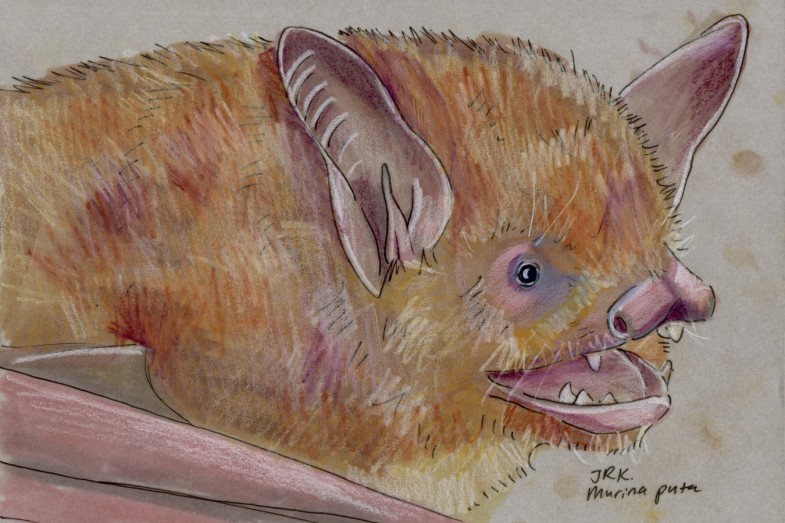
Read more Facebook Friends: Taiwan: Taiwan Tube-nosed Bat (Murina puta) Aug 2, 2013 by JR Kinyak Number 0441 Because I’m happy that the Daily Mammal... Read more
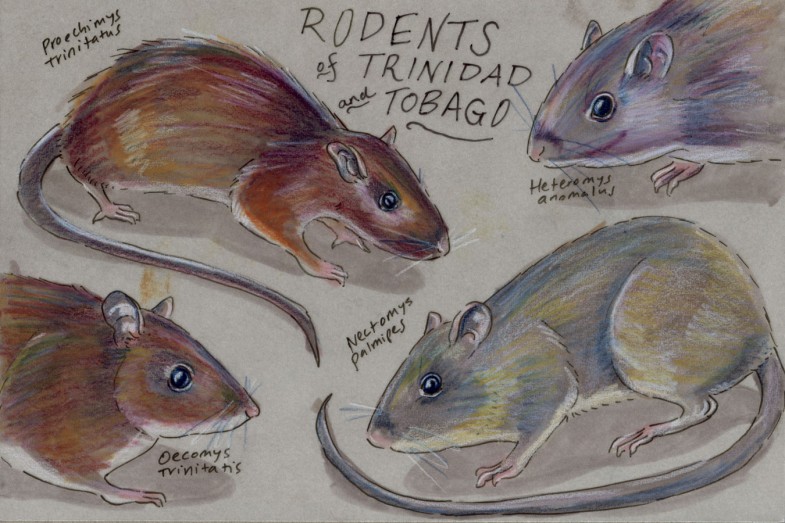
Read more Facebook Friends: Trinidad and Tobago: Quartet of Trinbagonian Rodents Aug 1, 2013 by JR Kinyak Numbers 0437, 0438, 0439, and 0440 In honor of the more than... Read more
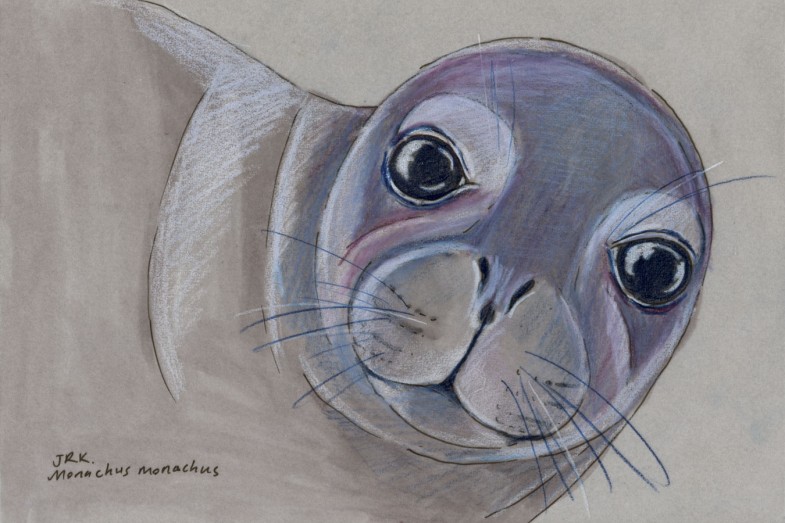
Read more Facebook Friends: Greece: Mediterranean Monk Seal (Monachus monachus) Jul 30, 2013 by JR Kinyak Number 0436 To celebrate the Daily Mammal Facebook page... Read more
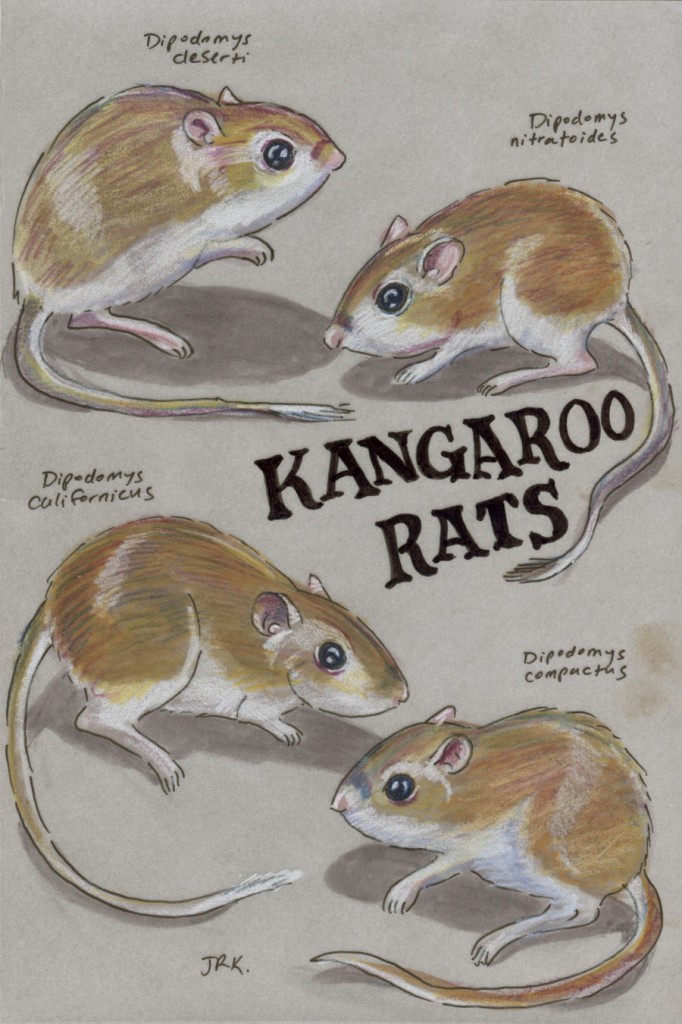
Read more Facebook Friends: United States: Quartet of Kangaroo Rats (Dipodomys spp.) Jul 29, 2013 by JR Kinyak Numbers 0432, 0433, 0434, and 0435 Last week, the Daily Mammal... Read more
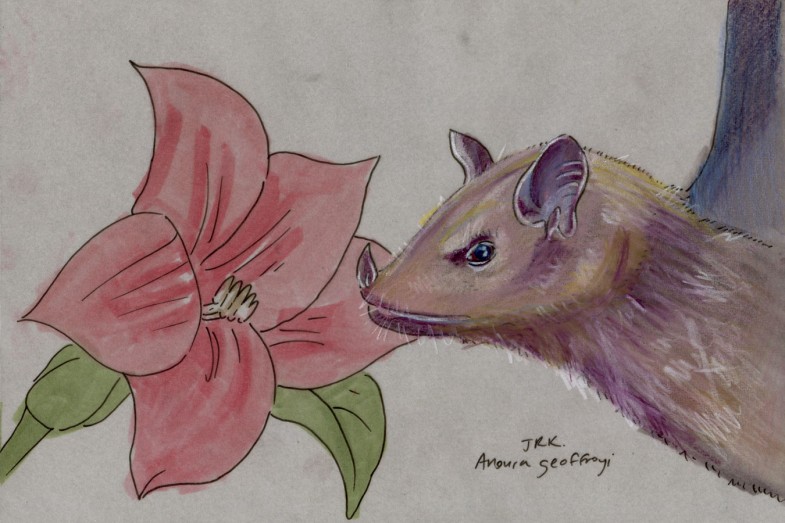
Read more Geoffroy Week: Geoffroy’s Tailless Bat (Anoura geoffroyi) Jul 28, 2013 by JR Kinyak Number 0431 We’ve been getting an unusual amount of rain... Read more
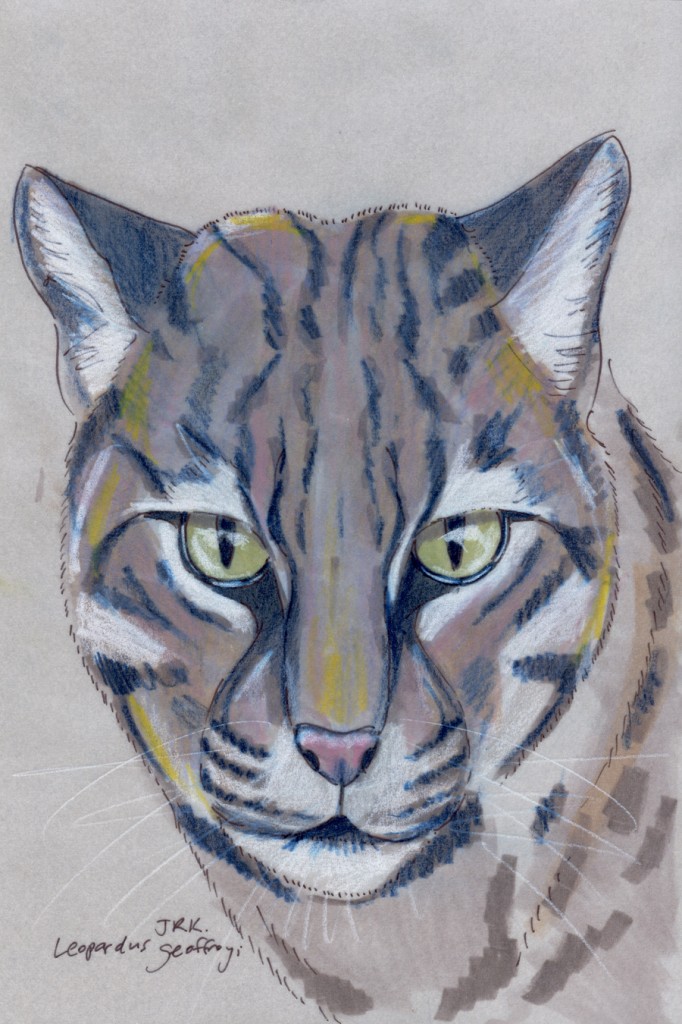
Read more Geoffroy Week: Geoffroy’s Cat (Leopardus geoffroyi) Jul 26, 2013 by JR Kinyak Number 0430 Here is the penultimate representative of Geoffroy... Read more
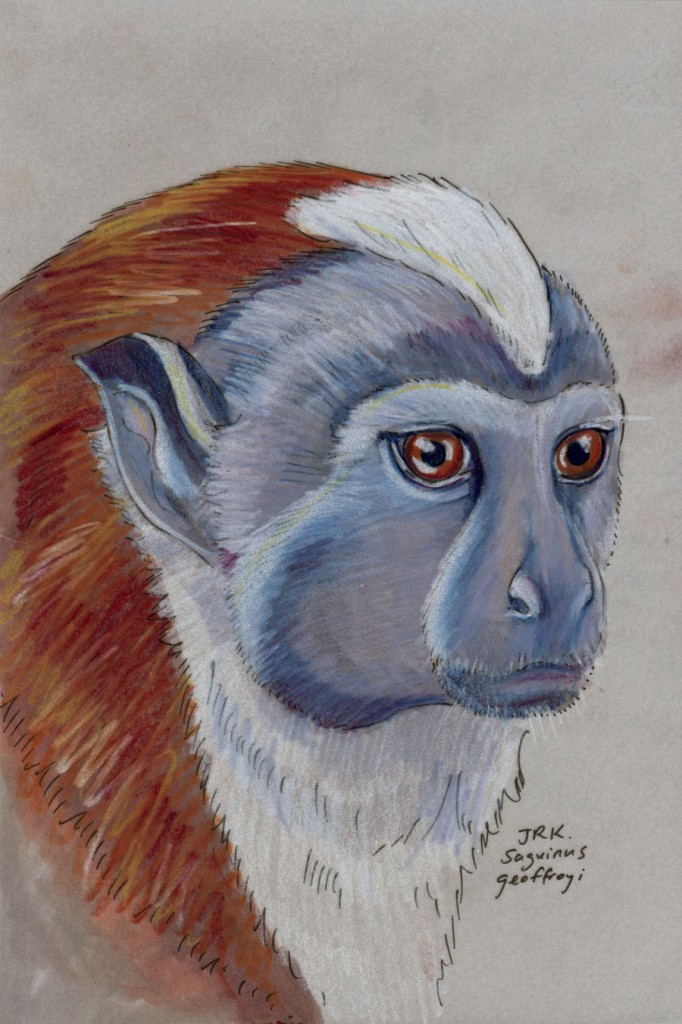
Read more Geoffroy Week: Rufous-naped Tamarin (Saguinus geoffroyi) Jul 25, 2013 by JR Kinyak Number 0429 In 1798, Napoleon invaded Egypt in a bid to... Read more
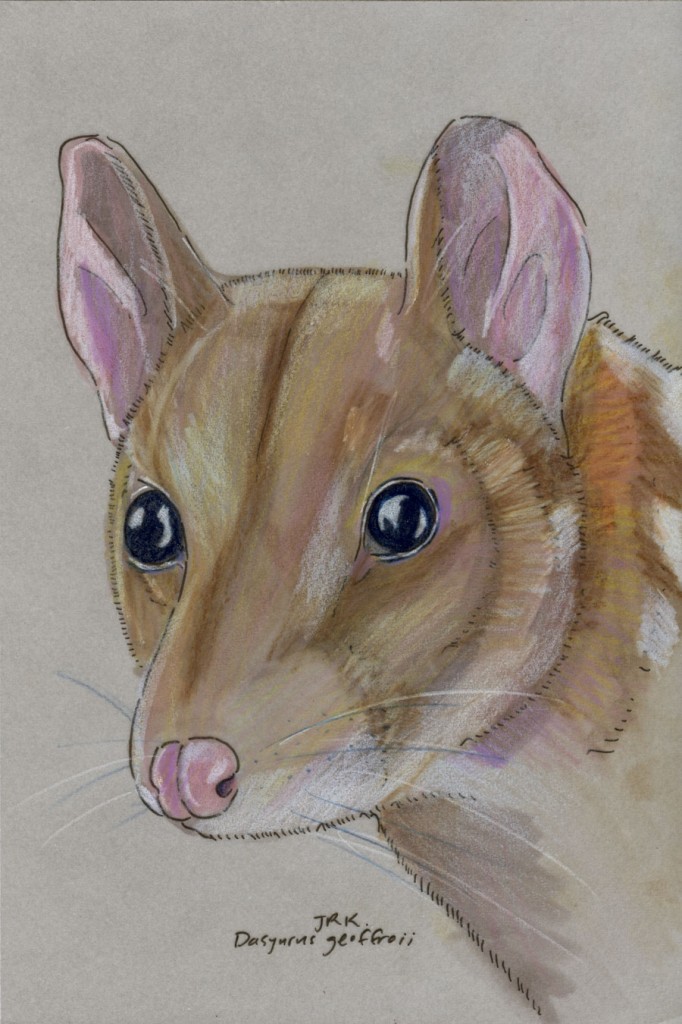
Read more Geoffroy Week: Chuditch (Dasyurus geoffroii) Jul 24, 2013 by JR Kinyak Number 0428 Geoffroy Week continues at the Daily Mammal.... Read more
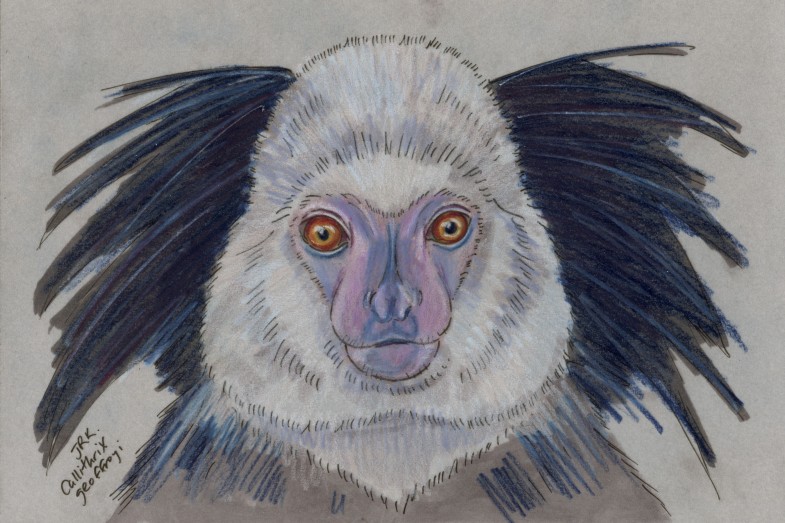
Read more Geoffroy Week: Geoffroy’s Marmoset (Callithrix geoffroyi) Jul 23, 2013 by JR Kinyak Number 0427 I’m unhappy with this marmoset drawing. The... Read more
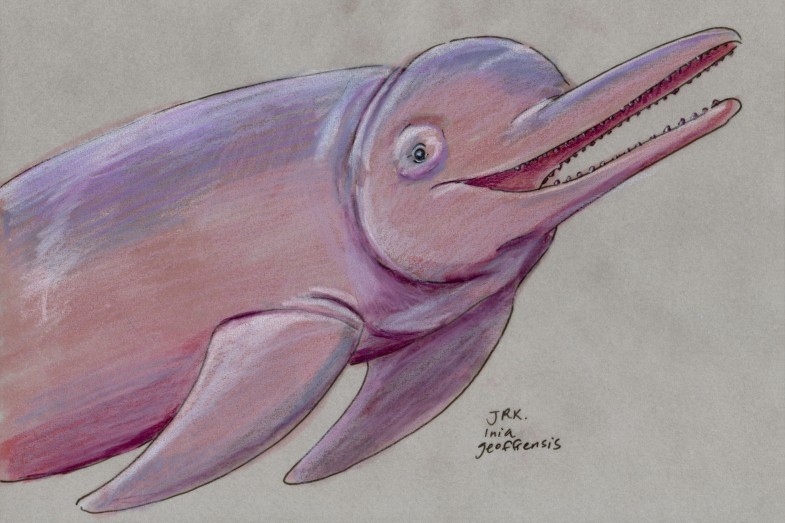
Read more Geoffroy Week: Boto (Inia geoffrensis) Jul 22, 2013 by JR Kinyak Number 0426 The boto, or Amazon river dolphin, was described... Read more
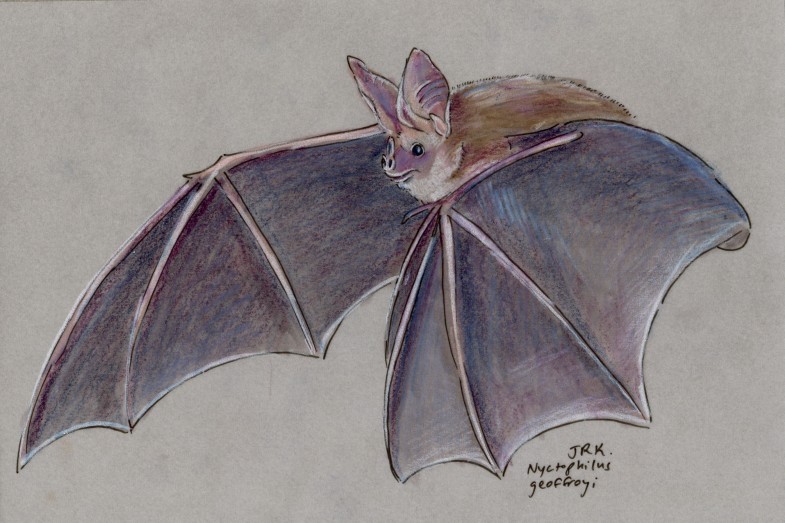
Read more Geoffroy Week: Lesser Long-Eared Bat (Nyctophilus geoffroyi) Jul 21, 2013 by JR Kinyak Number 0425 Étienne Geoffroy Saint-Hilaire became the Chair of... Read more
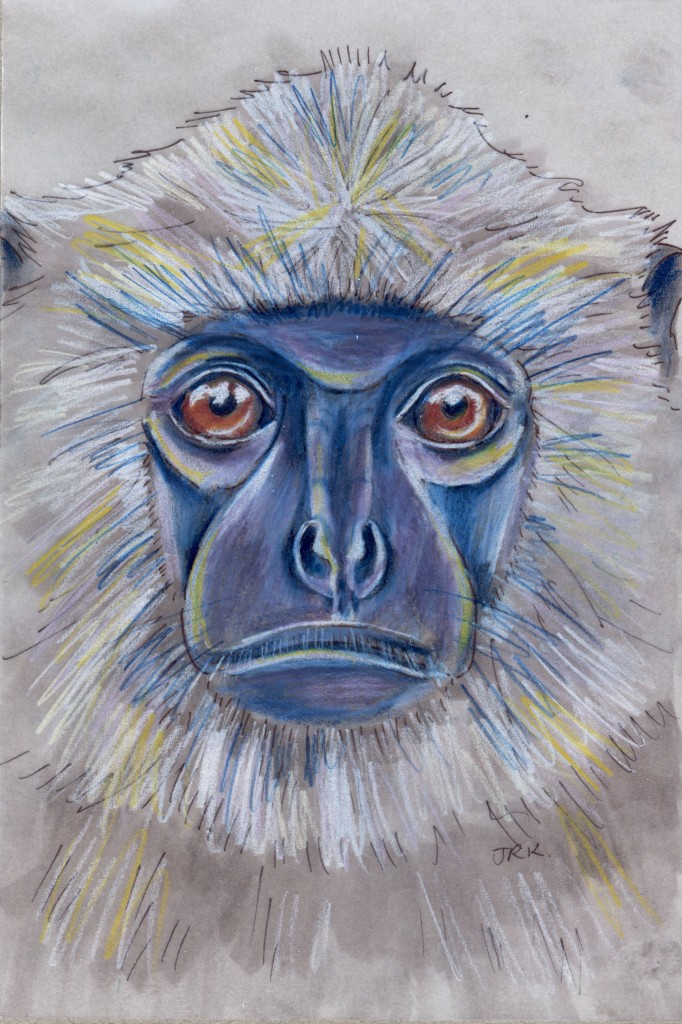
Read more Bengal Hanuman Langur (Semnopithecus entellus) Jul 14, 2013 by JR Kinyak Number 0424 Meet the Bengal Hanuman langur or northern plains... Read more
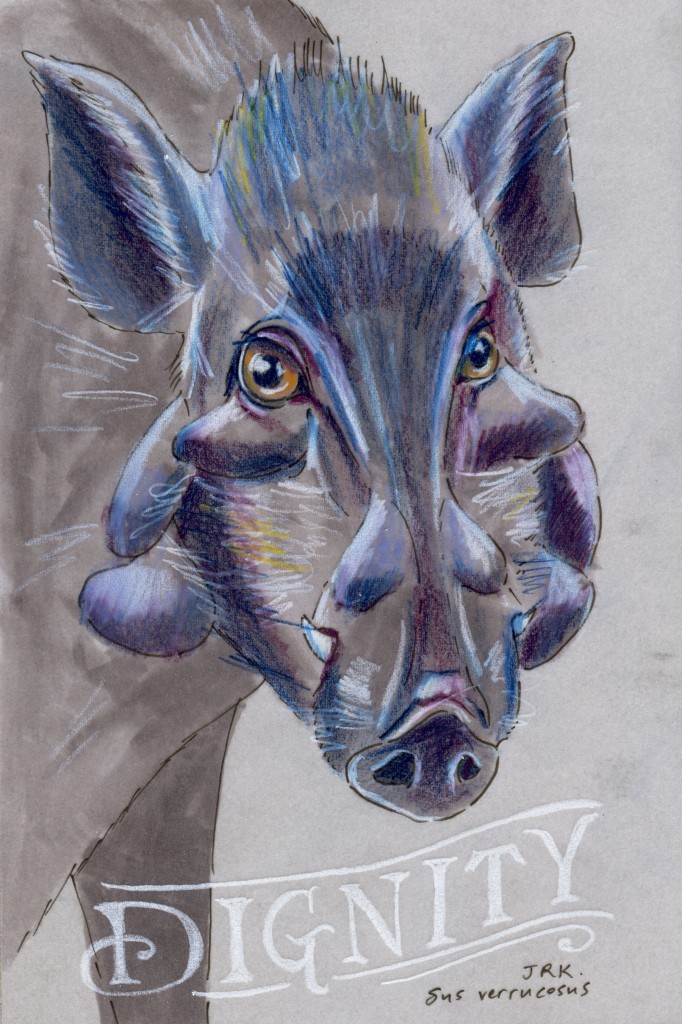
Read more Javan Warty Pig (Sus verrucosus) Jul 14, 2013 by JR Kinyak Number 0423 The Javan warty pig is an endangered mammal that... Read more
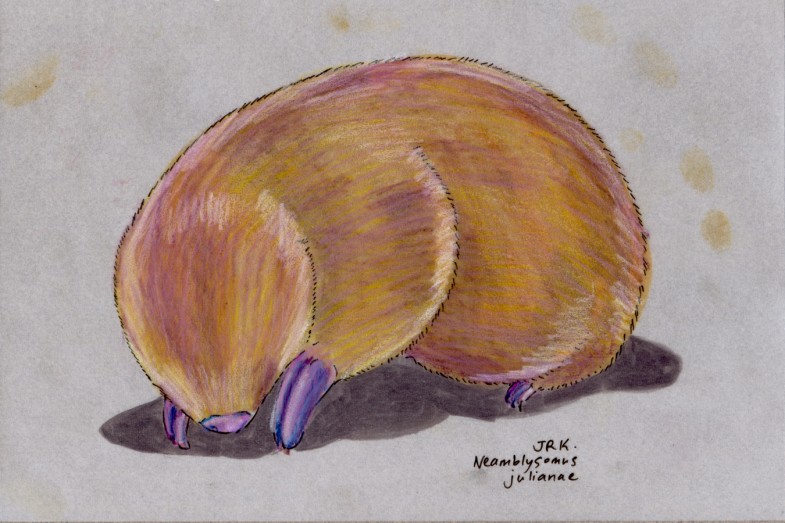
Read more Juliana’s Golden Mole (Neamblysomus julianae) Jul 14, 2013 by JR Kinyak Number 0422 Juliana’s golden-mole (Neamblysomus julianae)... Read more
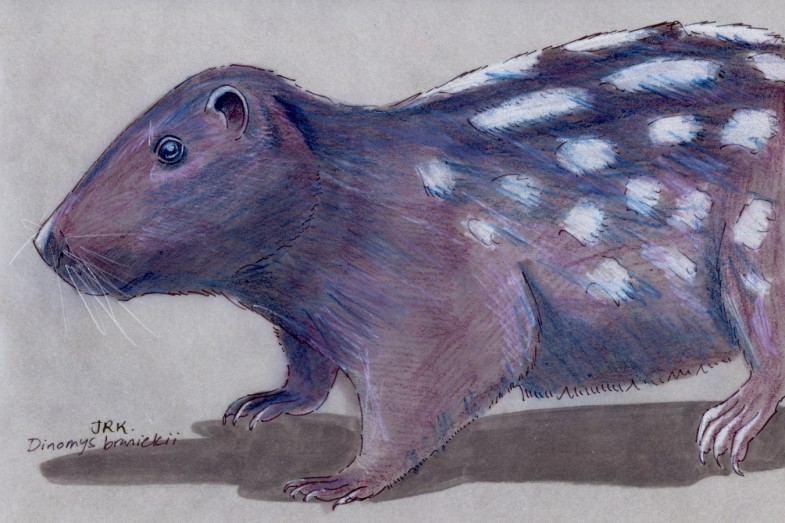
Read more Pacarana (Dinomys branickii) Jul 14, 2013 by JR Kinyak Number 0421 The pacarana is one of the largest rodents,... Read more
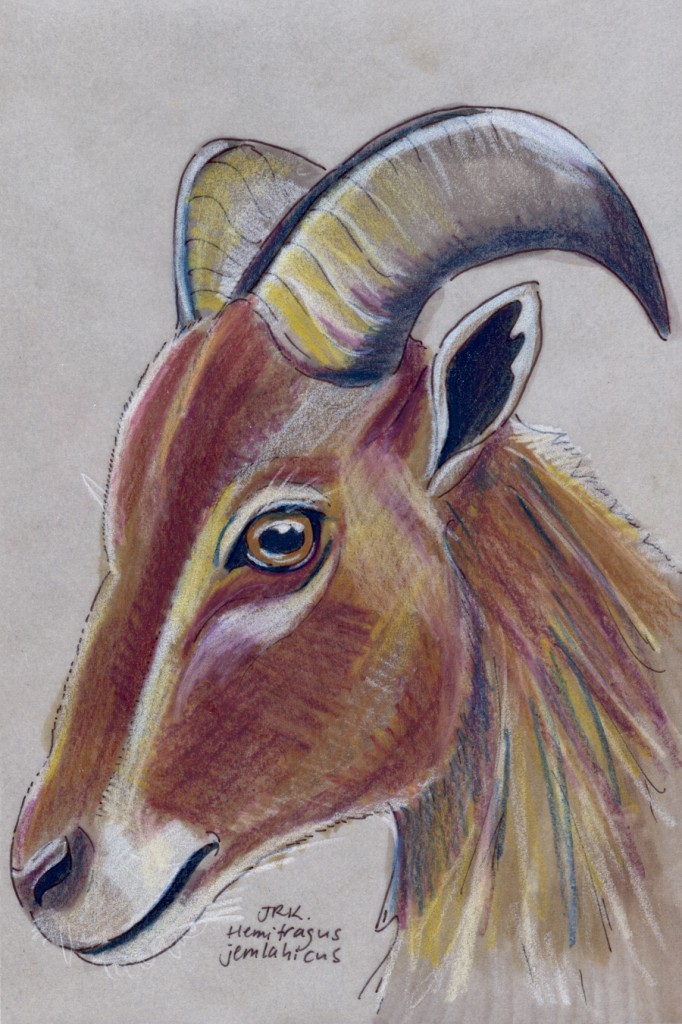
Read more Himalayan Tahr (Hemitragus jemlahicus) Jul 14, 2013 by JR Kinyak Number 0420 This is the Himalayan tahr or Hemitragus... Read more
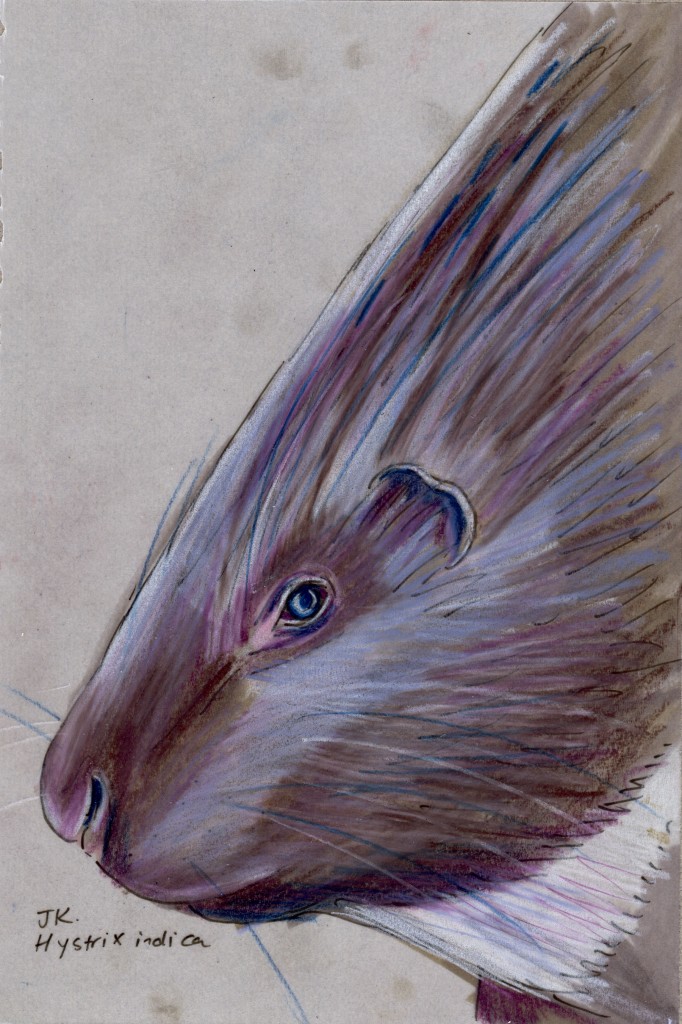
Read more Random Week: Indian Crested Porcupine (Hystrix indica) Aug 20, 2012 by JR Kinyak Number 0419 Before our brief Olympic interlude, I was enjoying... Read more